


Typhoid Fever: Symptoms, Causes, Diet and What to Expect
Typhoid fever symptoms, how it's diagnosed, what to eat during recovery, and when to see a doctor. Prakash Hospital Noida.
20 Aug 2026
by Prakash Hospital
by Prakash Hospital
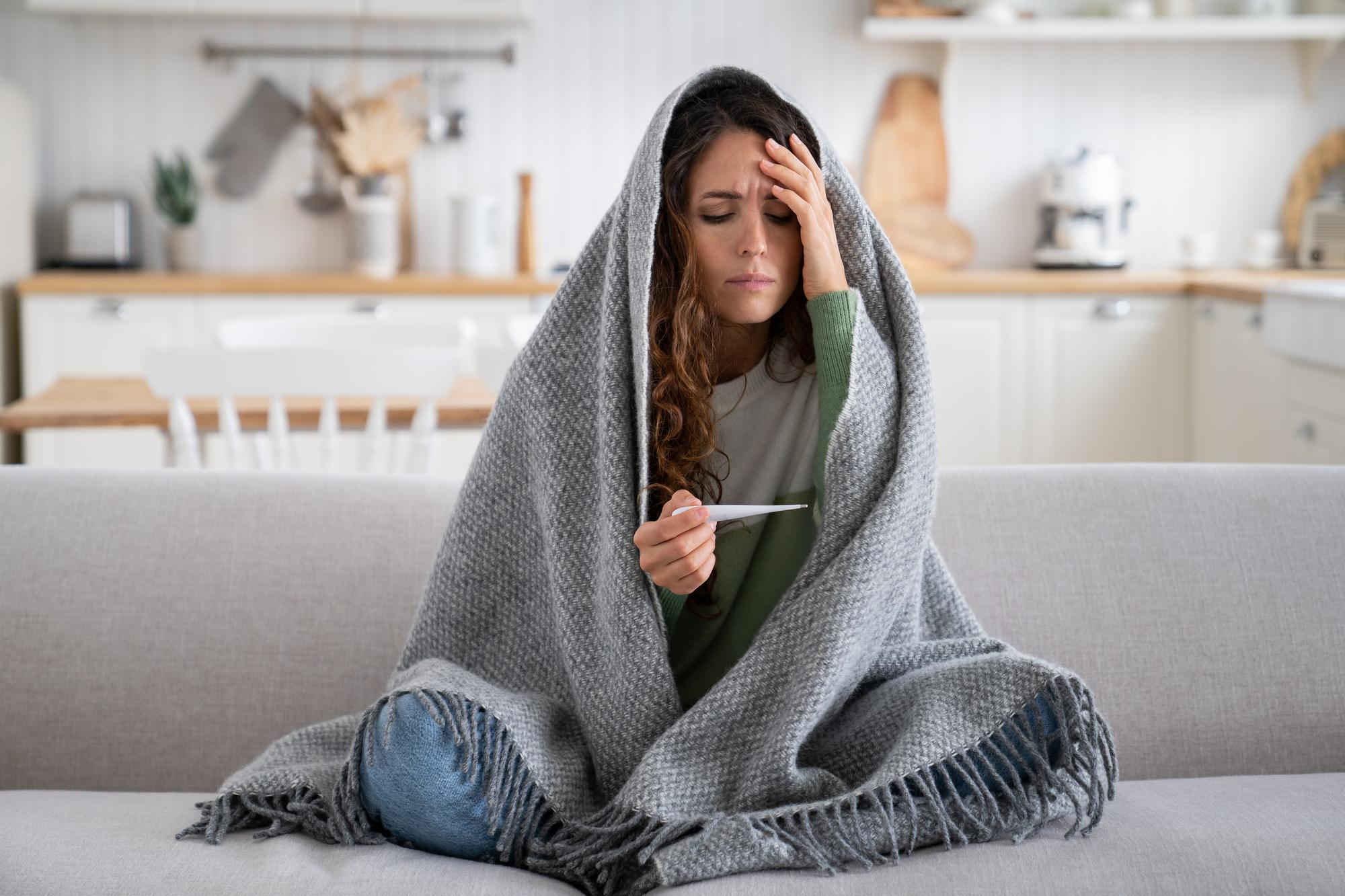
A woman checking her temperature with a thermometer while holding her head, illustrating common fever symptoms and the importance of following proper do’s and don’ts during a fever.
One of the most common and consequential mistakes in everyday healthcare in India is taking antibiotics for a viral illness. It happens at almost every level — patients requesting antibiotics for the common cold, doctors prescribing them "to prevent secondary infection," families insisting on a course whenever there's a fever.
The result is an antibiotic resistance crisis that threatens to make bacterial infections genuinely untreatable. India already has some of the highest rates of antibiotic-resistant bacteria in the world, driven largely by antibiotic misuse.
The core problem: antibiotics work only on bacteria. They do nothing for viruses. Taking them for a viral illness exposes you to their side effects, disrupts your gut microbiome, contributes to resistance — and provides zero benefit.
The solution starts with understanding the difference.
Viruses are not living cells — they're genetic material wrapped in protein. They can only reproduce by entering a host cell and hijacking its machinery. This is why antibiotics don't affect them; antibiotics target bacterial cell structures that viruses simply don't have. Most common illnesses — the common cold, flu, most sore throats, most coughs, most bouts of diarrhoea — are viral.
Bacteria are living single-celled organisms that multiply independently. They produce infections by directly damaging tissue, competing with normal body bacteria, and releasing toxins. Antibiotics target specific aspects of bacterial biology to kill or inhibit them.
A "viral fever" is not a single disease — it's a description of fever caused by one of many viruses. In India, the term typically refers to non-specific febrile illnesses where a specific viral cause hasn't been identified but the presentation is consistent with a viral illness.
Gradual or sudden onset: viral fevers often (though not always) come on over 12–24 hours, with progressive worsening of symptoms before the fever peaks.
Fever range: 38–40°C is common. Viral fevers can be high.
Associated symptoms: the combination of fever with:
Duration: most viral fevers resolve within 5–7 days. The fever peaks in the first 2–3 days and gradually subsides.
Localised vs systemic: viral illness typically produces systemic symptoms — the whole body feels unwell, aching, tired — rather than very localised severe symptoms.
Response to paracetamol: fever usually responds well, bringing temperature down within 30–60 minutes. The person feels significantly better when the paracetamol is working, then the symptoms return as it wears off.
Bacterial infections tend to be more localised — more clearly involving a specific body part — and tend to produce more intense, progressive symptoms in that location.
Localised, intense pain in a specific area: a toothache, a very sore ear (otitis media), severe unilateral (one-sided) throat pain, pain with urination (UTI), intense pain over the sinuses.
Purulent (pus-containing) discharge: thick yellow or green discharge from the throat, ears, sinuses, or skin suggests bacterial infection (though not conclusively — viral infections can also produce some coloured discharge).
Very high fever: fever above 39.5°C, particularly with rigors (shaking chills) and a clearly identified source of infection.
Fever that is getting significantly worse, not better, after 48–72 hours: viral fevers typically peak early and then begin to improve. A fever that continues to rise after 3–4 days, or that improves and then suddenly worsens, suggests possible bacterial involvement.
Localised redness, warmth, and swelling: these classic signs of inflammation (rubor, calor, tumor) at a specific site — a wound, lymph node, area of skin — suggest bacterial infection.
Exudate on the throat: visible white or yellow patches on the tonsils (not just redness) are more associated with bacterial streptococcal pharyngitis than viral sore throat, though they can occur with some viral infections including infectious mononucleosis.
Urinary symptoms: burning, frequency, urgency, or lower abdominal pain with fever suggests a urinary tract infection — almost always bacterial.
Ear pain in children: acute otitis media (middle ear infection) is often bacterial in origin, particularly when ear pain is severe, child is very unwell, or there's discharge from the ear.
| Illness | Usually Viral | Usually Bacterial | Either | |---|---|---|---| | Common cold | ✓ | | | | Flu (influenza) | ✓ | | | | Most sore throats | ✓ | | | | Streptococcal sore throat (strep throat) | | ✓ | | | Most coughs | ✓ | | | | Pneumonia | | | ✓ | | Bronchitis | Usually viral | | | | Most diarrhoea | Often viral | Sometimes bacterial | | | Typhoid | | ✓ | | | Urinary tract infection | | ✓ | | | Middle ear infection | | Often bacterial | | | Sinusitis (beyond 10 days) | | More likely bacterial | | | Skin infections (cellulitis, boils) | | ✓ | | | Dengue, malaria, chikungunya | ✓ (dengue, chikungunya) | Malaria is parasitic | |
Confirmed or strongly suspected bacterial infections: streptococcal sore throat (confirmed by rapid strep test), pneumonia with bacterial features, UTI, typhoid, skin cellulitis, middle ear infection with severe symptoms, Lyme disease, H. pylori infection.
Complications of viral illness: viral infections occasionally open the door to secondary bacterial infection — sinusitis that has lasted more than 10 days and is worsening, viral illness followed by productive cough with green sputum and high fever may suggest secondary bacterial bronchitis or pneumonia.
High-risk patients with serious illness: people who are immunocompromised, elderly, or very young; patients who are severely unwell; hospitalised patients.
Perhaps the most common justification for prescribing antibiotics for viral illness in India is "to prevent secondary bacterial infection." The evidence for this approach is weak. Prophylactic antibiotics do not prevent secondary bacterial complications in most viral respiratory illnesses in healthy adults and children. They do disrupt the gut microbiome and select for resistant bacteria. Several major medical guidelines explicitly advise against prescribing antibiotics for this reason.
See a doctor if:
Go to an emergency room immediately if:
Since antibiotics don't help, what does?
Paracetamol for fever and body pain. The recommended dose in adults is 500–1,000 mg every 4–6 hours (maximum 4 grams in 24 hours). Take with food if it causes nausea. Don't exceed the dose — paracetamol overdose is one of the leading causes of acute liver failure in India.
Rest: the immune system works best when you're resting and not diverting energy to physical activity.
Adequate hydration: fever increases fluid requirements. Water, ORS if there's also vomiting or diarrhoea, coconut water, diluted fruit juice. Aim for pale yellow urine as a hydration guide.
Light diet: easy-to-digest foods — khichdi, plain rice, curd, soup, fruit. Appetite often returns as the fever breaks.
Steam inhalation for nasal congestion: effective for symptom relief of viral upper respiratory infections.
Salt water gargle for sore throat: simple, effective for comfort.
Antihistamines for runny nose: chlorpheniramine or cetirizine — reduce the histamine-mediated symptoms of rhinitis without any antibiotic effect.
Most viral fevers resolve within 5–7 days with these measures. If it doesn't improve by day 5, or worsens significantly at any point, that's when medical review is important.
At Prakash Hospital Noida, our physicians evaluate fever with appropriate blood tests — complete blood count, CRP, dengue testing, malaria testing where clinically indicated — to distinguish viral from bacterial illness and guide treatment appropriately. We don't prescribe antibiotics unnecessarily, and we take diagnostic precision seriously.
Whether you live in Sector 18, Sector 62, Greater Noida West, or anywhere in the NCR, Prakash Hospital Noida is a trusted name for fever evaluation, infection diagnosis, and general medicine in Noida.
Tags: #ViralFeverSymptoms #ViralVsBacterialInfection #PrakashHospitalNoida

Records the brain's electrical activity through scalp electrodes to help diagnose epilepsy and seizures.
Nerve and muscle tests that find the cause of numbness and weakness, such as neuropathy or carpal tunnel.
A minor operation joining an artery to a vein in the arm to create lasting access for haemodialysis.
Free tools to check your weight, plan a pregnancy, track calories and more.
We offer expert care across key specialties, including Medicine, Cardiology, Orthopaedics, ENT, Gynaecology, and more—delivering trusted treatment under one roof.
Typhoid fever symptoms, how it's diagnosed, what to eat during recovery, and when to see a doctor. Prakash Hospital Noida.
20 Aug 2026
by Prakash Hospital
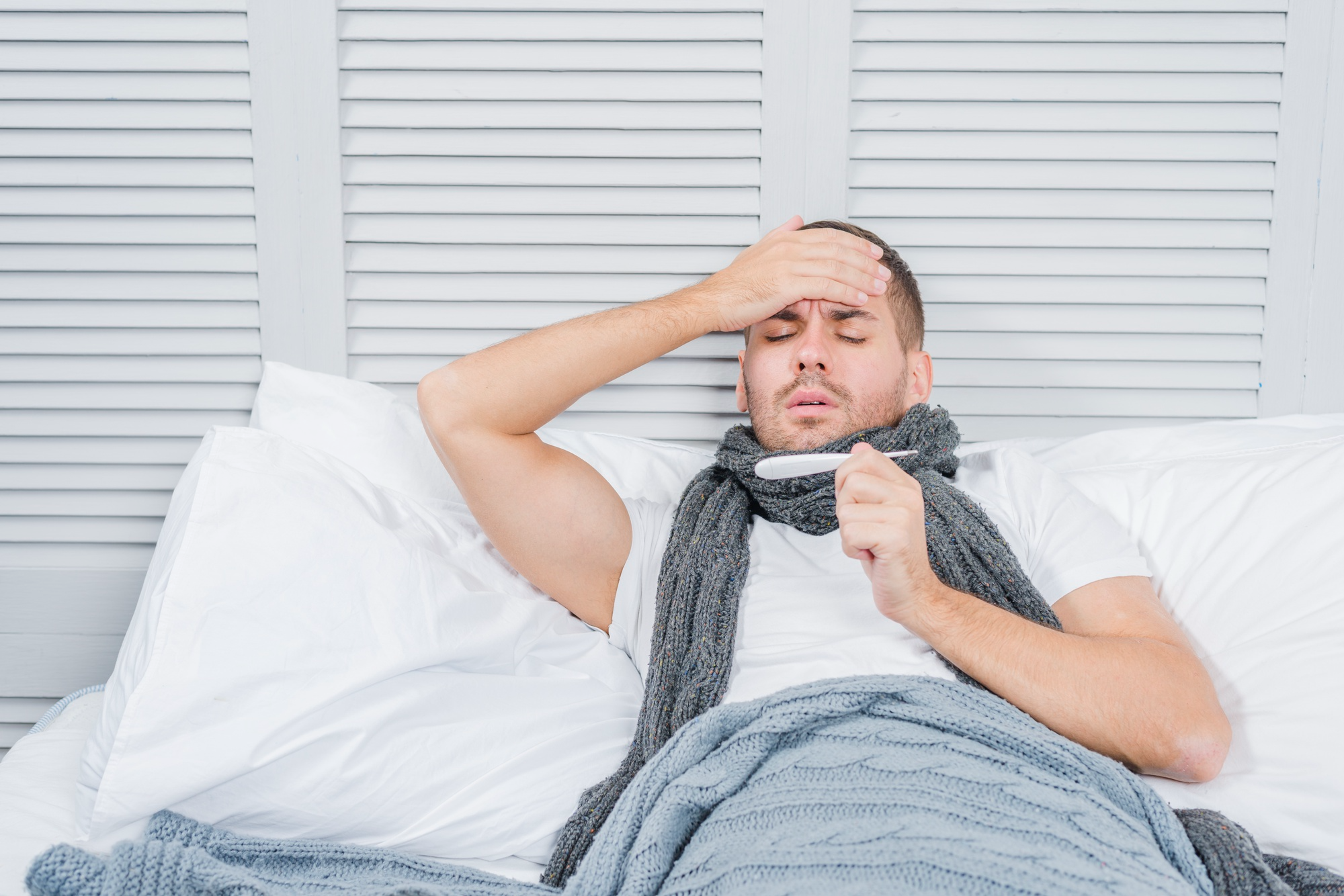
Viral fever symptoms, treatment, recovery tips, and when to see a doctor. Visit Prakash Hospital Noida for proper evaluation and care.
26 Jun 2026
by Prakash Hospital
Fever can be a minor illness or something serious. Understand the causes, how to treat it, and when to see a doctor. Prakash Hospital Noida.
16 Jun 2026
by Prakash Hospital

Learn symptoms, risk factors, prevention tips and when to seek expert cardiac care in Noida.
25 Mar 2026
by Prakash Hospital

सीने में जलन (एसिडिटी) और हार्ट प्रॉब्लम के लक्षणों में क्या फर्क है? कब यह गंभीर हो सकता है और डॉक्टर से कब मिलना चाहिए, पूरी जानकारी हिंदी में।
23 Apr 2026
by Prakash Hospital

Comprehensive guide on lowering high blood pressure naturally through diet, exercise, weight control, and medical monitoring.
24 Feb 2026
by Prakash Hospital
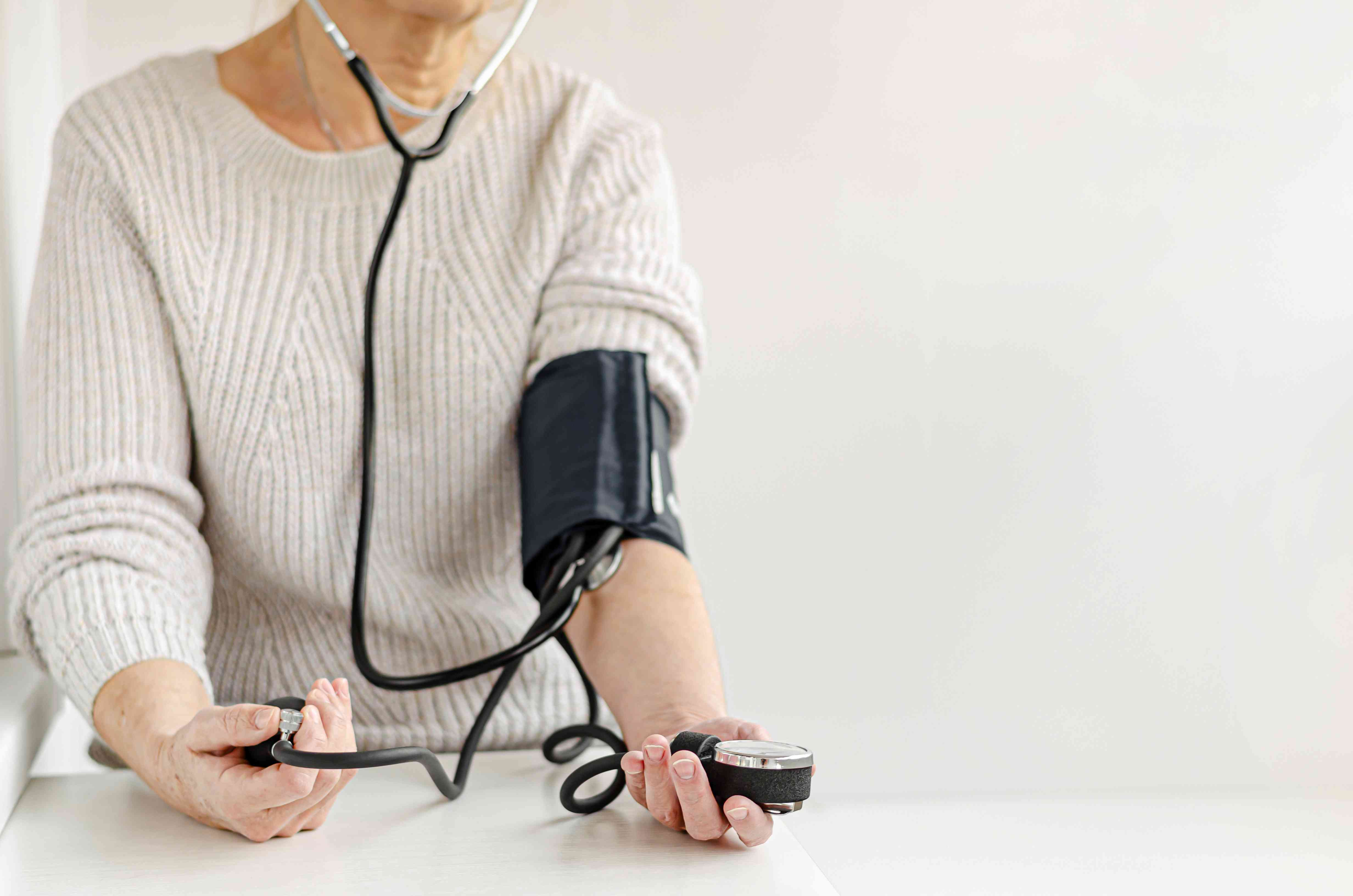
Practical ways to lower blood pressure naturally through diet, exercise, and lifestyle — plus when medication is needed. Prakash Hospital Noida.
5 Aug 2026
by Prakash Hospital

Indian diabetes diet plan, foods to eat and avoid, and practical meal ideas. Visit Prakash Hospital Noida for diabetes care.
20 Jul 2026
by Prakash Hospital
Monsoon brings dengue, malaria, viral fever, and gut infections. Here's how to strengthen your immunity before and during the season. Prakash Hospital Noida.
18 Aug 2026
by Prakash Hospital


Book a consultation with Prakash Hospital's specialists — 24/7 emergency care, 100+ doctors, NABH accredited.
View All Departments