


Vitamin B12 Deficiency: Symptoms, Risk Factors and What to Do
Vitamin B12 deficiency symptoms — tingling, fatigue, memory issues and more. Who's at risk in India and how to fix it. Prakash Hospital Noida.
30 Sept 2026
by Prakash Hospital
by Prakash Hospital

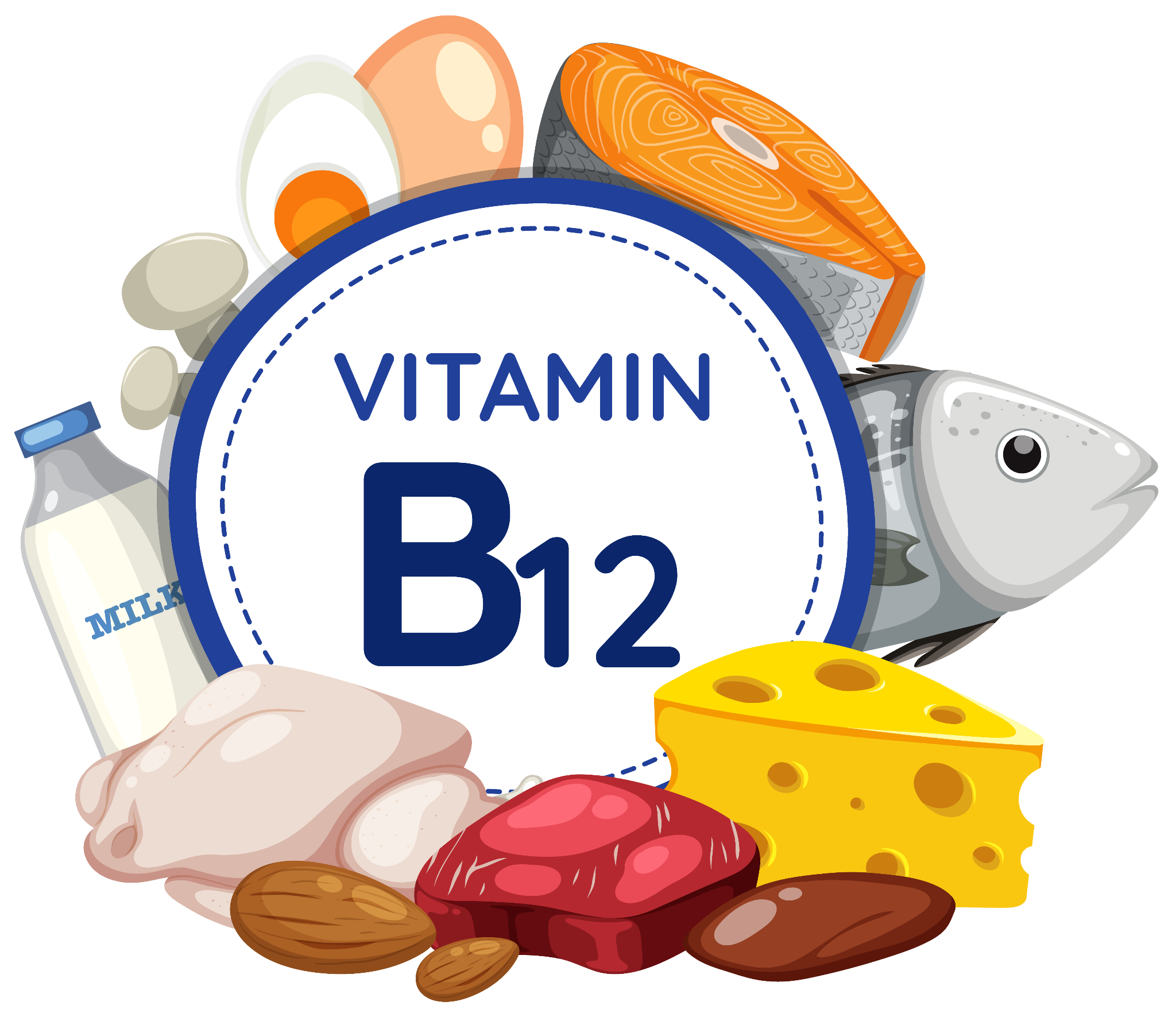
Illustration of Vitamin D sources, including fish, milk, cheese, eggs, mushrooms, and oil.
Search online for "vitamin D rich vegetables and fruits" and you will see long lists with confident claims. Bananas, oranges, spinach, broccoli, tomatoes, apples — all listed as rich sources of vitamin D. Many of these articles get shared widely on social media. Many readers follow the advice expecting to see their vitamin D levels improve.
Most of these lists are misleading. Some are outright wrong.
This article tells the truth about which fruits and vegetables actually contribute to vitamin D — and which ones support vitamin D function indirectly without containing the vitamin themselves. Understanding the difference can save you from chasing fixes that will never work and help you build a strategy that actually does.
Here is the truth most articles avoid:
Almost no fruits and vegetables naturally contain vitamin D. Plants do not produce vitamin D the way animals do. The one important exception is mushrooms, and even those need UV exposure to develop meaningful amounts.
When you see lists claiming bananas, oranges, spinach, and others as "vitamin D rich," what they usually mean is one of three things. Either the food has been fortified with added vitamin D (which is different from naturally containing it), or the food contains nutrients that support vitamin D function (like calcium or magnesium), or the claim is simply wrong.
This does not mean fruits and vegetables are unimportant. They are essential for overall health and play supporting roles in vitamin D metabolism. But if you have a vitamin D deficiency, eating more bananas will not fix it.
Mushrooms are the only plant-based food that can naturally produce vitamin D. They do it the same way human skin does — through exposure to ultraviolet light.
Most mushrooms in Indian markets are grown indoors in dark conditions and contain very little vitamin D, typically 10 to 50 IU per 100 grams. This is real but small.
The transformation happens when mushrooms are exposed to UV light. Sun-exposed mushrooms can contain 400 to 2000 IU per 100-gram serving, sometimes higher.
The most useful varieties for vitamin D are maitake, portobello, shiitake, and button mushrooms. All respond to UV exposure.
The practical tip is simple. Before cooking, place mushrooms gills-up in direct sunlight for 15 to 30 minutes. The vitamin D content jumps several-fold. This is one of the most effective dietary changes a vegetarian can make to improve vitamin D intake from food.
Note that mushrooms produce vitamin D2, not D3. Both are useful, though the body uses D3 slightly more efficiently.
Spinach, kale, broccoli, cabbage, peas, sweet potato, bottle gourd, and other vegetables do not contain meaningful vitamin D. What they do provide are nutrients that support vitamin D function:
Calcium — which vitamin D helps absorb. Spinach, kale, broccoli, and bhindi (okra) all contain calcium.
Magnesium — needed for vitamin D activation. Leafy greens, beans, and seeds all provide magnesium.
Vitamin K — works alongside vitamin D for bone health. Leafy greens are particularly rich.
Antioxidants — reduce inflammation, which interferes with vitamin D function.
These vegetables belong in a healthy diet. They are not vitamin D sources, but they make the vitamin D you do get work better.
The only fruit-based source of vitamin D that makes a meaningful contribution — and only when specifically labelled as fortified. A glass of fortified orange juice typically provides 100 to 140 IU.
Fresh-squeezed orange juice contains zero added vitamin D. Most fruit juices on the market are not fortified. Read the label carefully.
These fruits do not naturally contain vitamin D. Period.
What they do contain are nutrients that support overall health and indirectly help vitamin D function:
Bananas provide magnesium, which is needed for vitamin D activation. They also contain potassium, which supports muscle and nerve function.
Apples provide fibre, antioxidants, and vitamin C, all of which support overall health.
Oranges and other citrus provide vitamin C, which is important for collagen synthesis and immune function.
Kiwi has vitamin C in large amounts.
Strawberries and other berries are anti-inflammatory.
Papaya has vitamin A and antioxidants.
Avocado provides healthy fats, which improve vitamin D absorption from other sources.
Dried figs and dates provide calcium, which vitamin D helps absorb.
So the fruits matter. They just do not contain vitamin D themselves.
Several reasons explain the popularity of incorrect "vitamin D rich fruits and vegetables" lists.
Some articles are written by people who do not check sources carefully and copy from other articles.
Some confuse "supports vitamin D function" with "contains vitamin D" — bananas have magnesium, so they appear on a vitamin D list, even though they have no vitamin D.
Some articles list fortified products without specifying that the vitamin D is added rather than natural — fortified orange juice gets listed as a "vitamin D fruit," which is technically misleading.
Marketing of certain products contributes to confusion, especially when fortified items are advertised heavily as natural vitamin D sources.
The result is a widespread belief that eating fruits and vegetables alone can address vitamin D deficiency. It usually cannot.
For Indian vegetarians who want to improve vitamin D intake through food, the realistic strategy looks like this.
Eat mushrooms regularly, and sun-expose them before cooking. This is the single most effective vegetarian dietary change.
Include eggs daily if you are lacto-ovo vegetarian. Two eggs provide 80 to 100 IU of vitamin D3.
Choose fortified products consistently — fortified milk, fortified plant milks, fortified cereals, fortified yogurt, fortified tofu, fortified orange juice. Read labels to confirm.
Include leafy greens, beans, nuts, and seeds for the supporting nutrients (calcium, magnesium, healthy fats) that help vitamin D work.
Combine vitamin D foods with healthy fats — olive oil, ghee, nuts, avocado — to improve absorption since vitamin D is fat-soluble.
Add a vegetarian vitamin D3 supplement derived from lichen if blood tests show deficiency, under medical supervision.
Get sunlight when possible — 15 to 20 minutes of direct sun on hands and face several times per week.
Even with all of this, many strict vegetarians need supplementation to maintain optimal levels. Diet alone often is not enough.
For people who eat animal products, the picture is easier.
Fatty fish twice a week — salmon, mackerel, sardines, tuna — covers a large part of weekly vitamin D needs.
Eggs daily add a consistent supply.
Fortified milk and dairy add further.
Sunlight remains the primary source.
Supplements are needed only when blood tests show deficiency despite these dietary measures.
Sunlight and vitamin D supplements representing natural and medical sources of vitamin D
A vegetarian who eats eggs and dairy might have:
Breakfast: Mushroom omelette (sun-exposed mushrooms cooked with 2 eggs), a glass of fortified milk, and a banana. The omelette provides 100 to 300 IU, the milk provides 100 IU, the banana provides magnesium for activation.
Lunch: Spinach and chickpea curry, mixed-grain roti, yogurt, and an orange. The spinach provides calcium and magnesium, the chickpeas provide protein and fibre, the yogurt provides calcium, the orange provides vitamin C.
Snack: Almonds and a fortified yogurt with berries.
Dinner: Sun-exposed mushroom curry, dal, brown rice or roti, and a salad.
This combination delivers vitamin D from food, supports vitamin D function through other nutrients, and meets overall nutritional needs.
A few specific beliefs worth correcting.
"Eat more spinach to fix vitamin D deficiency." Spinach helps with iron and supports bone health, but it will not raise vitamin D levels meaningfully.
"Bananas are vitamin D rich." No. They have magnesium and potassium, which support vitamin D function but are different nutrients.
"Tomatoes and citrus provide vitamin D." They provide vitamin C and antioxidants. Vitamin D content is negligible.
"A green smoothie replaces sunlight." It does not. It supports overall health but does not deliver vitamin D.
"Vegetarians cannot get vitamin D from food." They can get some, particularly from sun-exposed mushrooms and fortified products, but often need supplements too.
This is the more accurate framing. Fruits and vegetables matter for vitamin D-related health in several specific ways.
Calcium-rich vegetables like spinach, kale, broccoli, and bhindi support bone health alongside vitamin D.
Magnesium-rich vegetables like leafy greens and beans help activate vitamin D in the body.
Antioxidant-rich fruits like berries and citrus reduce inflammation, which improves vitamin D function.
Vitamin K-rich greens work synergistically with vitamin D for bone strength.
Fat-rich produce like avocado helps vitamin D absorption from other sources.
So the right mental model is: vitamin D from sun, fatty fish, eggs, mushrooms, and fortified foods, supported by a wide range of fruits and vegetables for the nutrients that make vitamin D work.
No discussion of vitamin D is complete without sunlight. Direct sun exposure on the skin produces vitamin D3 in amounts that food simply cannot match — 10,000 IU in 20 minutes of midday sun on uncovered skin.
For most healthy adults, 15 to 20 minutes of direct sun exposure on the hands, face, and lower legs, several times per week, is the most efficient way to maintain vitamin D status.
Indian habits often work against this. Indoor lifestyles, sun avoidance, heavy sunscreen, and the heavy pollution in cities like Delhi NCR all reduce vitamin D production from sunlight. This is exactly why dietary sources matter — they fill the gap left by inadequate sun exposure.
If your vitamin D blood level is significantly low, food alone usually cannot raise it to optimal range in a reasonable time. Supplements prescribed by your doctor are typically needed.
A common protocol is high-dose vitamin D3 supplementation for 8 to 12 weeks to correct deficiency, followed by maintenance dosing along with dietary improvements and sun exposure.
A blood test for 25-hydroxyvitamin D is the only way to know where you actually stand. Levels below 20 ng/mL indicate deficiency. 20 to 29 is insufficient. 30 to 100 is adequate. Many doctors aim for 50 to 80 as optimal.
"Vitamin D comes from fruits and vegetables." Mostly false. Mushrooms are the partial exception when sun-exposed.
"More greens equals more vitamin D." Greens support vitamin D function but do not contain it.
"Fortified orange juice is a natural vitamin D fruit." The vitamin D is added during processing, not naturally present.
"Eating an orange a day prevents deficiency." No. The vitamin C is useful but the vitamin D content is essentially zero.
"A whole-foods diet automatically covers vitamin D." It does not, especially for vegetarians without sun exposure.
The lifestyle in Noida and Greater Noida — indoor offices, AC environments, severe pollution that blocks UV light, and predominantly vegetarian eating — drives high rates of vitamin D deficiency. Adding fortified products, sun-exposing mushrooms, and including eggs (for those who eat them) helps. Annual testing tells you where you actually stand, and supplements when prescribed make up the difference.
At Prakash Hospital, Noida, experienced doctors and dieticians offer vitamin D testing, comprehensive nutritional counselling, and supplement guidance when needed. The approach addresses vitamin D as part of overall nutrition and lifestyle, with practical adaptations that fit your eating preferences and daily routine.
Whether you are in Sector 18, Sector 62, Greater Noida West, or anywhere nearby, Prakash Hospital Noida is a trusted name for nutrition consultation and health checkups.
The "vitamin D rich vegetables and fruits" lists online are mostly misleading. Plants do not produce vitamin D, with the partial exception of mushrooms when sun-exposed.
What fruits and vegetables actually do is support vitamin D function — providing calcium, magnesium, vitamin K, antioxidants, and healthy fats that the body needs alongside the vitamin D itself.
The real strategy for adequate vitamin D combines several sources. Sunlight is primary. Fatty fish and eggs provide direct dietary D for non-vegetarians. Sun-exposed mushrooms and fortified products fill in for vegetarians. Supplements address the remaining gap when needed.
Eat the vegetables and fruits for their many real benefits. Just do not expect them to fix a vitamin D deficiency on their own. The honest understanding helps you build a strategy that actually works.

Endoscopic surgery through the nose that clears blocked sinuses and polyps when medicines stop working.
Collects spinal fluid from the lower back to diagnose meningitis, bleeding around the brain and nerve inflammation.
A machine filters waste and extra fluid from the blood when the kidneys fail, usually in 4-hour sessions three times a week.
Free tools to check your weight, plan a pregnancy, track calories and more.
We offer expert care across key specialties, including Medicine, Cardiology, Orthopaedics, ENT, Gynaecology, and more—delivering trusted treatment under one roof.
Vitamin B12 deficiency symptoms — tingling, fatigue, memory issues and more. Who's at risk in India and how to fix it. Prakash Hospital Noida.
30 Sept 2026
by Prakash Hospital
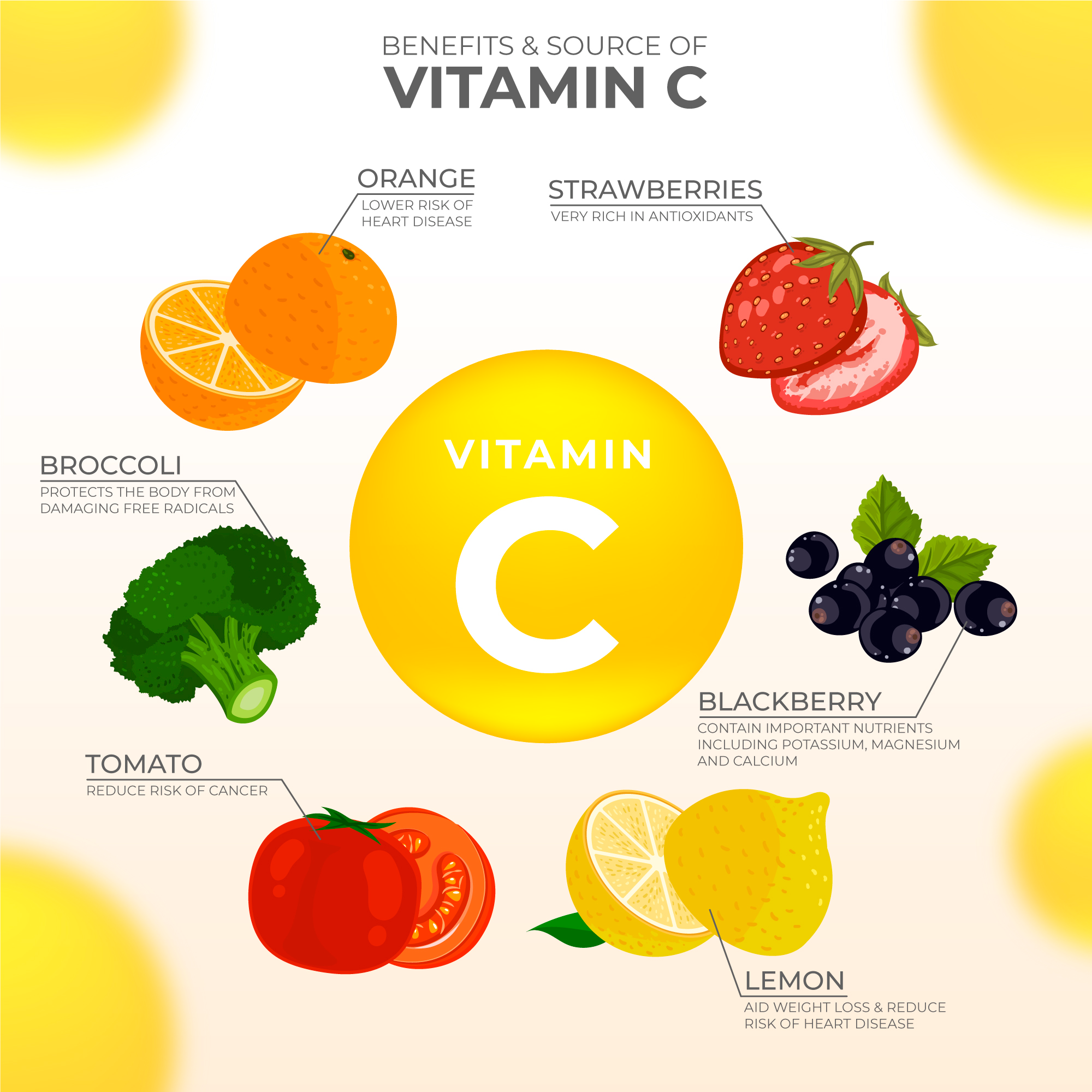
Vitamin C deficiency — recognise the signs, understand the causes, and learn the best food sources. Visit Prakash Hospital Noida for nutrition care.
26 Jun 2026
by Prakash Hospital

Vitamin D3 foods — understand the difference between D2 and D3, top sources, and how to meet your needs. Visit Prakash Hospital Noida for nutrition consultation.
24 Jun 2026
by Prakash Hospital

Noticing unusual hair fall after your pregnancy? Prakash Hospital's experts in Noida explain the real causes, timeline, and treatments for postpartum hair loss.
31 Mar 2026
by Prakash Hospital

Foot crack treatment — understand the causes of cracked heels and how to heal them effectively. Visit Prakash Hospital Noida for dermatology consultation.
28 May 2026
by Prakash Hospital

Discover the causes of facial hyperpigmentation, effective treatments, and skincare tips to reduce dark spots and achieve healthy-looking skin.
14 May 2026
by Prakash Hospital
Learn about vitamin A deficiency, its causes, symptoms, and effective treatments. Discover how to prevent and manage deficiency for optimal heal
2 Jun 2025
by Prakash Hospital
The best immunity boosting foods for Indians — from amla and turmeric to dal and garlic. Science-backed guide from Prakash Hospital Noida.
18 Aug 2026
by Prakash Hospital

Monsoon brings dengue, malaria, viral fever, and gut infections. Here's how to strengthen your immunity before and during the season. Prakash Hospital Noida.
18 Aug 2026
by Prakash Hospital


Book a consultation with Prakash Hospital's specialists — 24/7 emergency care, 100+ doctors, NABH accredited.
View All Departments