Posttraumatic stress disorder (PTSD) is a mental health condition that can develop in individuals who have gone through or witnessed traumatic events. These events are often perceived as emotionally as well as physically damaging, even threatening to one's life. Examples of such events include various forms of abuse, such as physical, sexual, emotional, and natural disasters, severe accidents, combat exposure, domestic violence, and significant medical issues that leave behind a lasting effect on the patient's psyche. However, it's important to note that not everyone who experiences trauma will develop PTSD.
What are the symptoms of PTSD?
The symptoms of PTSD are divided into four main categories. They cover the different dimensions of the things that a person with PTSD might face due to their presence. These symptoms include:
Unwanted memories
These unwanted memories appear in the form of hallucinations, flashbacks, and nightmares of the trauma that caused them to have PTSD. This makes them relive the incident
repeatedly, making them suffer from mental torture.
Avoiding
People usually go out of their way to avoid being reminded of a particular event that carries horrific memories. They do this by avoiding certain places, staying away from doing activities they used to enjoy, and refusing to address the trauma at all, sometimes not even mentioning it.
Changes in physical and emotional reactions
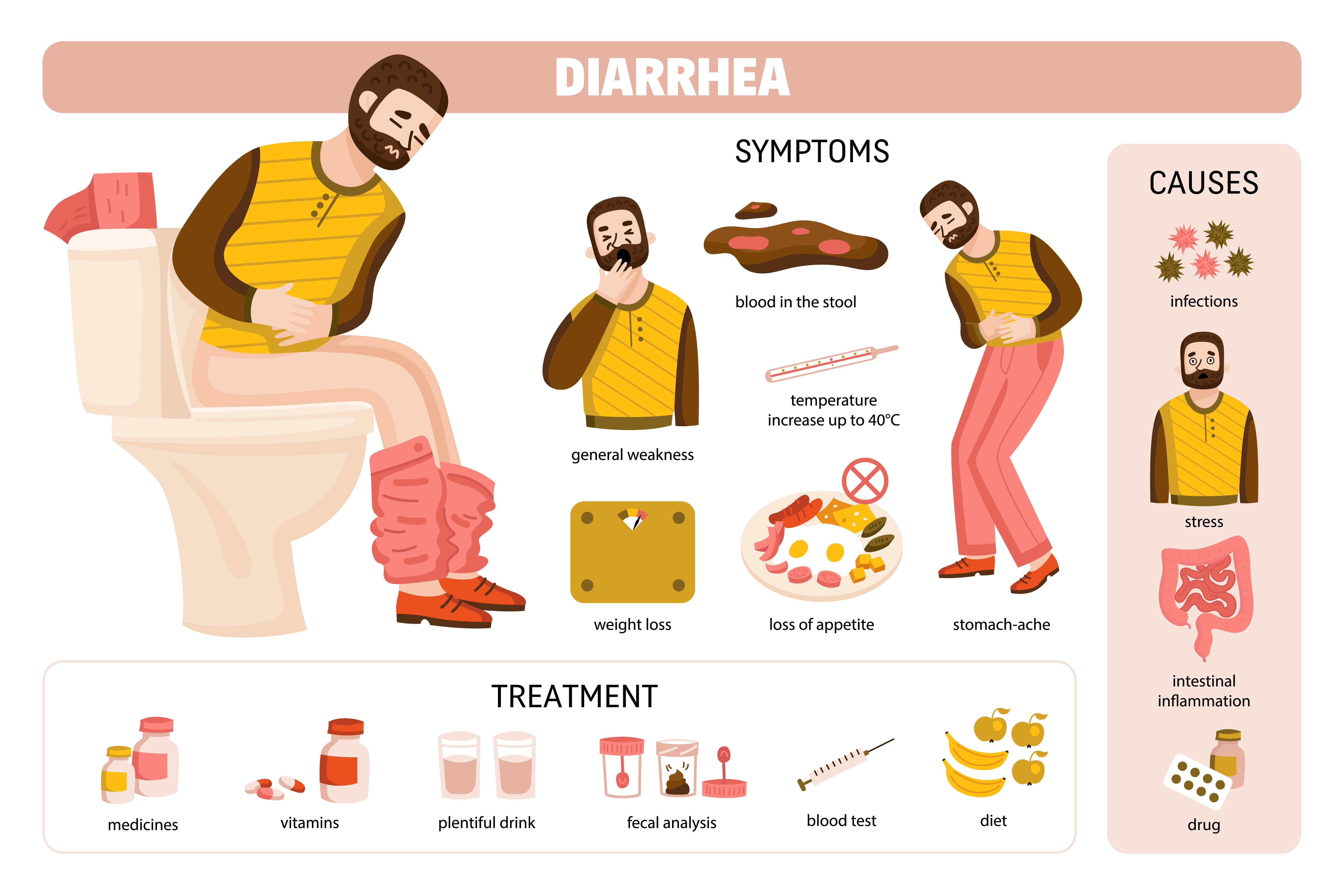
These changes consist of problems relating to others, trouble falling asleep or staying asleep, irritability, acting differently than usual, more frequent outbursts of anger, taking risky decisions, being easily startled, and even nausea and diarrhoea.
Changes in perception
The way a person sees themselves and the world around them changes and becomes negative after the traumatic event. They might blame themselves for the event, think of themselves as weak or worthless, feel hopeless regarding a future, be more suspicious of others, and have difficulties experiencing joy and enjoyment.
What are the causes behind PTSD?
sad girl sitting curled up on the floor
Not everyone who experiences trauma ends up with PTSD; this is because everyone experiences trauma in their unique way and hence differs in processing it too. The type of help, support, and overall understanding you get from people around you after the trauma influences whether a person gets PTSD or not.
Some possible causes linked to PTSD are:
Military combat
Sexual assault or sexual harassment
Abuse during childhood
Life-threatening events
Accidents
Threat or occurrence of physical violence
Effects of PTSD
PTSD affects a person's quality of life intensely. This may even lead to them developing certain damaging conditions. These conditions are:
Depression
Anxiety
Drug or alcohol abuse
Eating disorders
Suicidal thoughts and actions
How to help someone with PTSD?
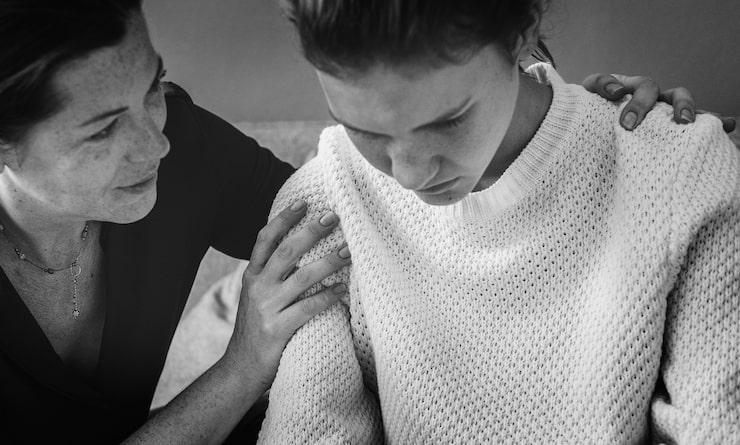
woman comforting her friend
Some ways to help someone with PTSD are:
Learn about the disorder.
Please encourage them to seek professional help.
Respect their boundaries while making sure they know you are available.
Try to be a non-judgmental listener.
Make sure they keep in contact with people who love and support them
Frequently Asked Questions (FAQs)
1. What is PTSD?
Posttraumatic stress disorder (PTSD) is a mental health condition that can develop in individuals who have gone through or witnessed traumatic events.
2. Why does someone get PTSD?
There are a lot of causes for someone getting PTSD, usually it involves a major traumatic event and a lack of empathetic treatment from those around them.
3. What are the symptoms of PTSD?
Symptoms of PTSD include unwanted memories, avoidance, change in physical and emotional reactions, and more.
4. Are there any ways to help people with PTSD?
Helping someone with PTSD is significantly easier if you are willing to be patient by being a good listener and respecting their boundaries.
5. What can be the effect of PTSD on a person?
It can have effects that damage their daily function and overall quality of life. These include developing depression, eating disorders, and being drawn to alcohol and drug abuse.
We offer expert care across key specialties, including Medicine, Cardiology, Orthopaedics, ENT, Gynaecology, and more—delivering trusted treatment under one roof.
Ten quick, evidence-based ways to regain focus in minutes, from water, walking and slow breathing to a brain dump, plus when a slump means something else.
Calculate eGFR from creatinine with the CKD-EPI 2021 formula, see worked examples for men and women, and understand the five CKD stages and urine ACR results.
Read your urine routine and microscopy report: colour, pH, protein, glucose, pus cells, RBCs and casts, with normal values and what abnormal results suggest.