


स्वस्थ दिल के लिए कोलेस्ट्रॉल कैसे नियंत्रित रखें
कोलेस्ट्रॉल को नियंत्रित रखना दिल की सेहत के लिए बेहद ज़रूरी है। जानें HDL, LDL और ट्राइग्लिसराइड्स को संतुलित करने के आसान और प्रभावी उपाय।
5 Feb 2026
by Prakash Hospital
by Prakash Hospital

Regular blood tests by a healthcare professional.
Many serious medical conditions develop gradually and silently. You may feel completely healthy while underlying changes are occurring in your blood chemistry, organ function, or metabolism. Routine blood tests play a crucial role in detecting diseases early, often before symptoms appear.
Some chronic diseases do not have symptoms in the early stages, such as:
Organ damage may already be present by the time symptoms occur. Blood tests can reveal problems before complications arise.
The CBC test checks for:
The test can reveal problems with:
Low hemoglobin levels can lead to fatigue, while white blood cell imbalances can be a sign of infection or immune disorders.
These tests include:
Diabetes can go undetected for many years. Early detection can prevent complications like:
The lipid profile test measures:
High cholesterol can be symptom-free but is a major risk factor for heart attack and stroke.
Thyroid problems can lead to:
Blood tests for TSH, T3, and T4 levels can diagnose both hyperthyroidism and hypothyroidism.

Thyroid tests help monitor hormone levels and detect thyroid disorders early.
Assess liver enzyme and bilirubin function. Fatty liver disease, hepatitis, and early liver damage may not present symptoms at first.
Assess kidney function through creatinine and urea tests. Chronic kidney disease may also progress silently until late stages.
Check for deficiencies in:
which may lead to fatigue, weak bones, nerve problems, and mood changes.
This varies depending on age, medical history, and risk factors.
General Guidelines:
Family history of heart disease and endocrine problems may necessitate more frequent screenings.
Detects problems before symptoms occur.
Prevents heart disease, stroke, kidney failure, and other serious conditions.
Ensures treatment is effective.
Reassures you of your health status when results are normal.
Even if you are feeling relatively healthy, you should consider testing if you have been experiencing:

Swelling in the leg can indicate fluid retention, injury, or underlying health conditions.
These symptoms could be a warning sign of a metabolic or organ-related disorder.
Blood tests are a cheap and effective means of ensuring long-term health. They are a great way to determine the function of your organs and whether any changes to your treatment plan are necessary.
By ignoring preventive care, you could be putting off a diagnosis and spending more money on healthcare down the road.
Just because you are feeling healthy does not mean that your body is working properly. Many chronic illnesses go undetected until it is too late, and the only way to detect them is through regular blood testing.
Preventive healthcare is one of the most effective means of ensuring long-term health.
Even if you feel perfectly fine, routine screening can help detect hidden health risks early.
At Prakash Hospital, we offer comprehensive preventive health check-up packages and advanced laboratory testing to ensure timely diagnosis and expert care. Schedule your health screening today.

Keyhole removal of an ovarian cyst that keeps the healthy ovary, usually with a stay of one night or less.
Removes a gallbladder with stones through four small cuts, usually with a stay of one night or less.
Removes a breast lump after tests, usually as day care, and sends it to the lab to confirm what it is.
Free tools to check your weight, plan a pregnancy, track calories and more.
We offer expert care across key specialties, including Medicine, Cardiology, Orthopaedics, ENT, Gynaecology, and more—delivering trusted treatment under one roof.
कोलेस्ट्रॉल को नियंत्रित रखना दिल की सेहत के लिए बेहद ज़रूरी है। जानें HDL, LDL और ट्राइग्लिसराइड्स को संतुलित करने के आसान और प्रभावी उपाय।
5 Feb 2026
by Prakash Hospital
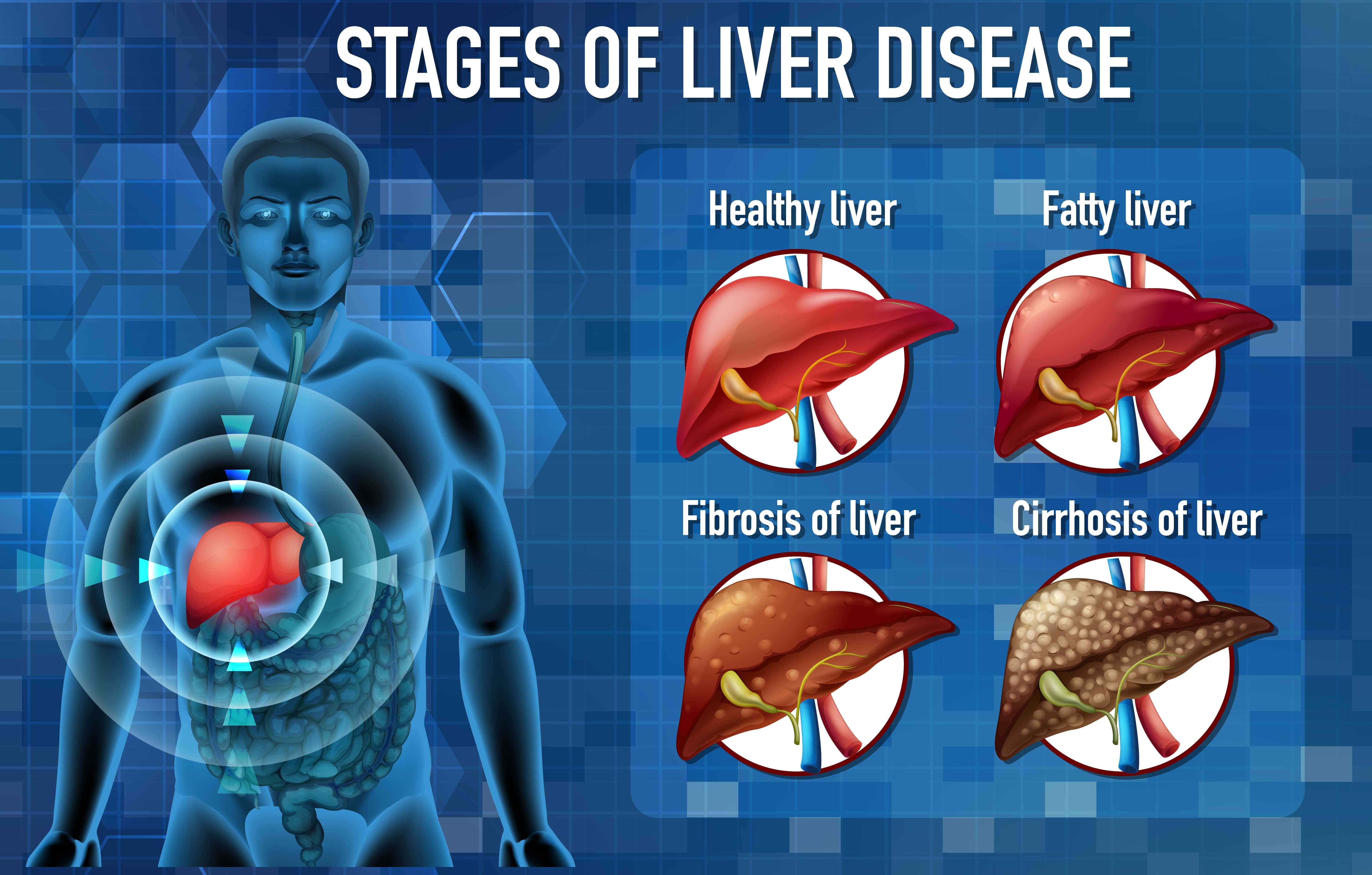
Home remedies to strengthen the liver — foods, lifestyle changes, and natural approaches that support liver health. Visit Prakash Hospital Noida for liver care.
11 Jun 2026
by Prakash Hospital

Hepatomegaly or enlarged liver — understand the causes, symptoms, and treatment options. Visit Prakash Hospital Noida for liver evaluation and care.
7 Jul 2026
by Prakash Hospital

लिवर सिरोसिस के लक्षण, कारण, स्टेज और इलाज जानें। पीलिया, पेट में सूजन और थकान को नजरअंदाज न करें। Prakash Hospital में पाएं एडवांस लिवर केयर और गैस्ट्रोएंटरोलॉजी उपचार।
12 Jun 2026
by Prakash Hospital


Book a consultation with Prakash Hospital's specialists — 24/7 emergency care, 100+ doctors, NABH accredited.
View All Departments