


Hair Fall Reasons: Why You're Losing More Hair Than You Should
Main reasons for hair fall in India — nutritional deficiency, hormones, stress, and more. What's causing yours and what to do. Prakash Hospital Noida.
1 Sept 2026
by Prakash Hospital
by Prakash Hospital

Many women use pantyliners daily
At Prakash Hospital, we believe that keeping women healthy is more than just treating their illnesses. It's also about teaching people how to maintain their health and prevent pain. Taking care of your feminine hygiene is an essential aspect of being healthy, yet a lot of people forget about it. Sadly, a lot of women don't know how to take care of their sexual health because of stigma and a lack of open discourse.
A collection of gynecologists and women's health specialists shares helpful tips in this article on how to maintain your feminine hygiene so you can be healthy, confident, and comfortable at any stage of life.
The female reproductive system is delicate and functions autonomously. The vagina naturally keeps the right amount of bacteria and pH to keep infections from occurring. However, not paying attention, developing bad habits, or not cleaning thoroughly can disrupt this balance, which can lead to problems such as urinary tract infections (UTIs).
So, good feminine hygiene is more than just being clean. It also means maintaining your reproductive health, preventing infections, and being comfortable.
At Prakash Hospital, we want women to be in charge of their sexual health and go to a gynecologist if they notice something abnormal.
1. Every day, clean the area around your vagina (but be gentle).
Wash the outside of your genitals with warm water every day.
Use soap that is soft and odorless, or feminine washes that your doctor suggests. Don't use gels, soaps, or other scented products that are excessively strong and disrupt the natural pH.
Don't use douches since they modify the bacteria in the vagina and make infections more prevalent.
2. Wipe correctly
To keep bacteria from spreading from the anus to the vagina or urinary system, always wipe from front to back after using the restroom.
3. Wear underwear that lets air flow through it. Pick cotton underwear that lets air flow through it.
Don't wear tight synthetic fabrics that trap perspiration and heat.
You should change your underwear every day, and more often when it's hot or after you work out.
4. Keep the area dry. Bacteria and fungi do best in wet settings.
Get rid of your wet or sweaty clothes right away.
Use panty liners if necessary, but avoid wearing them for extended periods and change them frequently.

There are many ways to manage your periods
During your period, you need to take extra care of yourself. At Prakash Hospital, we educate young girls and women on how to maintain their menstrual hygiene to prevent infections and discomfort.
5. Change your sanitary items often.
Change your pads every four to six hours.
To avoid toxic shock syndrome, use tampons every four to eight hours.
Menstrual cups: every 8 to 12 hours; clean them between periods.
6. During your period, take extra showers.
Gently wipe the outside of the genitals every time you change.
Wash your hands before and after using menstrual products.
7. Throw things away in a safe method
Wrap up pads and tampons before putting them away.
Never flush them down the toilet.
8. Always wear protection when you have sex.
Always wear protection to keep from obtaining STIs (sexually transmitted infections).
After having intercourse, clean the area surrounding the genitals.
If you want to minimize your risk of having a UTI, pee after sex.
9. Don't use strong products
Don't use scented wipes, sprays, or deodorants on your vagina because they can irritate your skin and upset the body's natural balance.
10. Watch for signals of trouble
If you have any of the following, you should see a doctor:
Our gynecologists at Prakash Hospital can help you with any of these issues in a discreet setting.
11. Drink adequate water. Water helps get rid of toxins and keeps your urinary tract healthy.
12. Follow a healthy diet
Eat items that have probiotics in them, such as yogurt and fermented foods, to get good bacteria.
If you eat less sugar, you might be less likely to have a yeast infection.
13. Wear clothes that fit nicely.
Loose, breezy clothes keep sweat from piling up and making you uncomfortable.
14. Get enough sleep and handle stress.
Women are more prone to getting sick if they are stressed and don't get enough sleep.
Our doctors often hear inaccurate beliefs about how to maintain women's hygiene. Here are the facts:
Fact: There is usually a little bit of a smell. The only sign of a sickness is a pungent, foul stench.
Fact: The truth is that it's bad for you; the vagina cleans itself.
Fact: You need to take care of yourself every day, not just while you're on your period.
Fact: If you use it for an extended period, it might retain moisture and make you feel bad.

A gynaecologist can help with most feminine hygiene issues
Even if you maintain your cleanliness, some issues may still require medical attention. If you notice any of the following, you should contact a gynecologist:
The Women's Health and Gynecology Department of Prakash Hospital can help with all of these issues.
Taking care of your feminine hygiene is a crucial part of maintaining your overall health. Following simple tips like cleaning gently, dealing with their periods properly, having safe sex, and maintaining a healthy lifestyle can help women avoid infections and pain.
At Prakash Hospital, we strive to empower women by providing them with the knowledge and support they need to become strong. If you have any concerns about your health, our team of gynecologists is here to help you in a safe, discreet, and loving way.
Don't forget that cleaning your private regions is good for your health in general.

A machine filters waste and extra fluid from the blood when the kidneys fail, usually in 4-hour sessions three times a week.
Realigns broken bones and holds them with plates, screws, rods or frames so they heal in the right position.
Pushes the bulge back and reinforces the weak abdominal wall with mesh, by keyhole or open surgery.
Free tools to check your weight, plan a pregnancy, track calories and more.
We offer expert care across key specialties, including Medicine, Cardiology, Orthopaedics, ENT, Gynaecology, and more—delivering trusted treatment under one roof.
Main reasons for hair fall in India — nutritional deficiency, hormones, stress, and more. What's causing yours and what to do. Prakash Hospital Noida.
1 Sept 2026
by Prakash Hospital
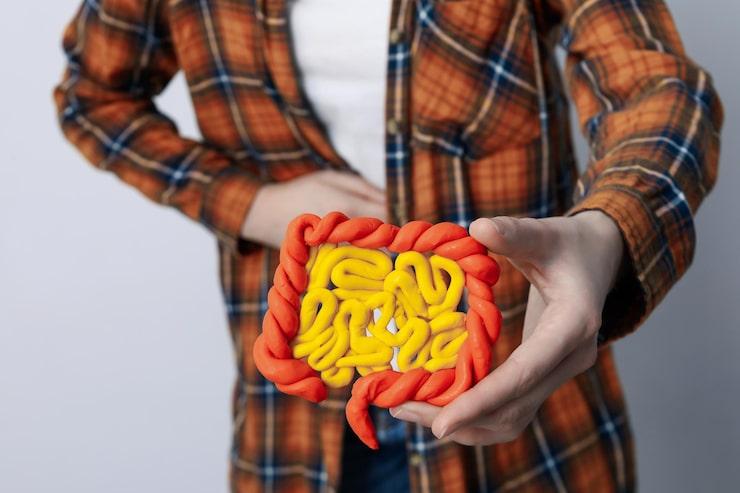
Learn all you need to know about colon polyps and the risk they carry with advise from the best doctors at Prakash Hospital, Noida.
22 Sept 2025
by Prakash Hospital

How to gain weight the healthy way — practical Indian diet, exercise, and lifestyle tips to build mass sustainably. Visit Prakash Hospital Noida for nutrition care.
25 May 2026
by Prakash Hospital

Vitamin D rich vegetables and fruits — what actually contains vitamin D and what is myth. Visit Prakash Hospital Noida for nutrition guidance.
30 Jun 2026
by Prakash Hospital

Support fracture recovery with essential nutrients like calcium, vitamin D, and protein for faster bone healing.
19 Nov 2025
by Prakash Hospital

Best protein rich foods in India — vegetarian and non-vegetarian sources, daily requirements, and how to eat enough protein on an Indian diet. Prakash Hospital Noida.
18 Aug 2026
by Prakash Hospital


Book a consultation with Prakash Hospital's specialists — 24/7 emergency care, 100+ doctors, NABH accredited.
View All Departments