



How to Improve Gut Health: What It Means, Why It Matters, and What Works
How to improve gut health naturally with Indian diet, probiotics, fibre, and lifestyle changes. Practical guide from Prakash Hospital Noida.
18 Aug 2026
by Prakash Hospital
by Prakash Hospital
Triple-negative breast cancer (TNBC) is an aggressive form of breast cancer that lacks three key receptors—estrogen, progesterone, and HER2. These receptors typically guide treatment decisions in other breast cancer types. Without them, TNBC does not respond to common hormonal therapies or HER2-targeted drugs, making treatment more complex.
This type accounts for roughly 15% of invasive breast cancers and tends to affect younger women, especially those under 50. It also disproportionately impacts certain ethnic groups, particularly Black women.

Triple-negative breast cancer is an aggressive form of breast cancer that lacks three common hormone receptors.
Researchers have linked TNBC to specific genetic mutations, especially in the BRCA1 gene. This gene normally helps suppress tumour growth. When mutated, it can trigger uncontrolled cell division, leading to cancer. While the cause isn't fully understood, these mutations significantly increase risk.
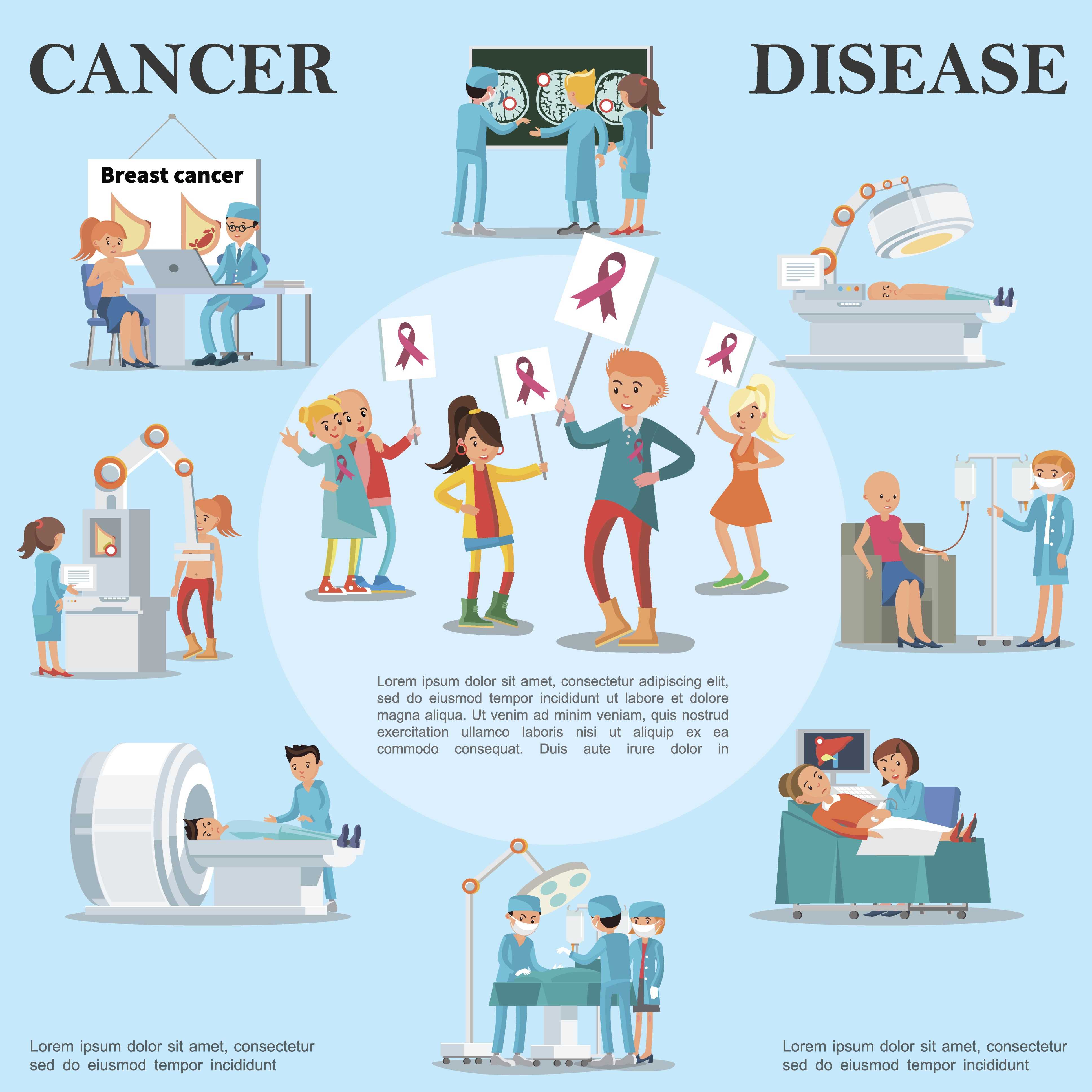
Signs like lumps, nipple changes, or swelling may indicate TNBC and need evaluation.
TNBC symptoms often mirror those of other breast cancer types. Watch for:
Keep in mind, not all breast changes are cancer—but any persistent symptom should be evaluated.
While many risk factors for breast cancer apply broadly, TNBC has unique associations:

TNBC is more common in women under 50 and disproportionately affects Black women.
TNBC is classified using the TNM system—Tumor size (T), lymph Node involvement (N), and Metastasis (M):
A combination of tests helps confirm TNBC:
This “triple test” approach increases accuracy and ensures proper staging.
TNBC does not respond to hormone therapy or HER2-targeted treatments. However, a combination of therapies can still be effective:
1. Chemotherapy
Chemotherapy is often the first line of treatment, especially in early stages. It can shrink tumors before surgery or help eliminate remaining cancer cells afterward.
2. Immunotherapy
Checkpoint inhibitors and other immunotherapies can be used alongside chemotherapy, especially in advanced TNBC. These help the immune system target cancer cells more effectively.
3. Surgery
Surgical options include:
4. Targeted Therapy
TNBC patients with BRCA mutations may benefit from PARP inhibitors, which block the DNA repair process in cancer cells, causing them to die.
5. Radiotherapy
Radiation is used post-surgery to reduce the risk of recurrence, particularly in cases where cancer has spread to nearby lymph nodes.
TNBC treatment includes chemotherapy, immunotherapy, surgery, and radiation.
Currently, there is no definitive cure, but treatment can significantly extend survival, especially if detected early. For metastatic TNBC, newer drugs like antibody-drug conjugates offer targeted delivery of chemotherapy to cancer cells, improving outcomes and minimizing damage to healthy tissue.
Triple-negative breast cancer is more likely to recur within the first few years after treatment compared to other types. However, survival rates improve when treatment begins early. Clinical trials are ongoing for novel therapies, and personalized medicine continues to shape future care strategies.
Triple-negative breast cancer is aggressive but manageable with the right approach. Understanding the symptoms, risk factors, and current treatments empowers patients to make informed decisions. Ongoing research and innovation offer hope for better therapies in the near future.
If you're concerned about breast cancer symptoms or genetic risk, consult a healthcare provider for evaluation and screening. Early detection can make all the difference.

Removes enlarged adenoids that block a child's nose, disturb sleep or keep causing ear infections.
Medicines, shock waves, laser ureteroscopy or PCNL, chosen by the size and position of your stone.
Nerve and muscle tests that find the cause of numbness and weakness, such as neuropathy or carpal tunnel.
Free tools to check your weight, plan a pregnancy, track calories and more.
We offer expert care across key specialties, including Medicine, Cardiology, Orthopaedics, ENT, Gynaecology, and more—delivering trusted treatment under one roof.
How to improve gut health naturally with Indian diet, probiotics, fibre, and lifestyle changes. Practical guide from Prakash Hospital Noida.
18 Aug 2026
by Prakash Hospital

Learn about high fibre foods, types of dietary fibre, digestive benefits, recommended intake, and how fibre prevents constipation and heart disease.
27 Feb 2026
by Prakash Hospital

How students can sharpen focus and memory before exams: study blocks, active recall, spaced revision, sleep rules, food, phone limits and a parent's checklist.
16 Oct 2026
by Prakash Hospital

एक्जिमा के लक्षण, कारण, प्रकार और इलाज जानें। खुजली, लाल चकत्ते और रूखी त्वचा से परेशान हैं? Prakash Hospital में पाएं विशेषज्ञ डर्मेटोलॉजी परामर्श और उपचार।
8 Jun 2026
by Prakash Hospital

Discover the causes of facial hyperpigmentation, effective treatments, and skincare tips to reduce dark spots and achieve healthy-looking skin.
14 May 2026
by Prakash Hospital
White patches on face — understand what causes them, when they are concerning, and treatment options. Visit Prakash Hospital Noida for dermatology consultation.
26 May 2026
by Prakash Hospital


Book a consultation with Prakash Hospital's specialists — 24/7 emergency care, 100+ doctors, NABH accredited.
View All Departments