



Alarming Facts About Triple-Negative Breast Cancer and How to Manage It
Learn the symptoms, risk factors, stages, and treatment options for triple-negative breast cancer (TNBC). Early detection improves outcomes.
13 May 2025
by Prakash Hospital
by By Prakash Hospital

A yearly panel checks sugar, cholesterol, thyroid, liver and kidney health, often before symptoms appear.
Most serious illnesses begin silently. High blood sugar, raised cholesterol, early kidney damage, a sluggish thyroid, and vitamin deficiencies rarely cause obvious symptoms in their early stages. By the time they do, damage has often been done.
An annual set of blood tests is one of the simplest ways to catch these problems early, when lifestyle changes or inexpensive treatment can still reverse them. The key is knowing which tests matter, rather than ticking every box on a long package.
Measures haemoglobin, red cells, white cells, and platelets. It detects anaemia, infection, and blood disorders. Anaemia is very common in Indian women and also found in many men.
Fasting glucose shows your sugar after an overnight fast. HbA1c reflects your average blood sugar over about three months and is the best single test for diabetes and prediabetes.
Indians develop diabetes earlier and at lower body weights, so yearly screening from 30 is sensible, and earlier if you have risk factors.
Total cholesterol, LDL ("bad"), HDL ("good"), and triglycerides. Indians often have high triglycerides and low HDL, a pattern linked to early heart disease. Fasting for 9 to 12 hours improves accuracy for triglycerides.
ALT, AST, ALP, bilirubin, and albumin show how the liver is working. Fatty liver is extremely common and often silent. Alcohol, obesity, and certain medicines raise liver enzymes.
Serum creatinine, eGFR, urea, and a urine albumin test. Diabetes and hypertension quietly damage the kidneys. A raised creatinine or protein in the urine is an early warning.
Underactive thyroid is common, especially in women, and causes fatigue, weight gain, hair fall, constipation, and irregular periods. TSH is the screening test.
Both deficiencies are widespread in India, even among people who get sunlight, and in vegetarians for B12. They cause tiredness, bone pain, tingling, low mood, and poor immunity. A yearly check is worthwhile, particularly if you have symptoms.
High levels cause gout and kidney stones and are linked to metabolic syndrome. Useful in men, people with joint pain, and those with obesity.
Detects infection, protein, sugar, and blood in the urine. Simple and inexpensive, and an important companion to kidney tests.
For women with heavy periods, vegetarians, people with anaemia, or fatigue with normal haemoglobin.
Useful for people on blood pressure medicines, diuretics, or with kidney disease.
Markers of inflammation and cardiovascular risk, considered in people with a strong family history or borderline results.
A genetically determined cholesterol particle that is raised more often in South Asians. Worth testing once in a lifetime, especially with a family history of early heart disease.
A prostate screening blood test, discussed with your doctor as part of an informed decision.
Morning testosterone in men with low libido, fatigue, or infertility; AMH, FSH, LH, prolactin, and testosterone in women with menstrual irregularity or difficulty conceiving.
Not recommended as routine screening in healthy people. They are used when a doctor has a specific clinical reason.
Along with the above: Pap smear or HPV testing for cervical cancer screening, and mammography or breast ultrasound at the age your doctor advises.
A report lists your value beside a reference range. A few points help:
"I feel fine, so I don't need tests." Most early conditions cause no symptoms. Feeling fine is exactly when screening is most useful.
"More tests mean better care." Needless tests lead to confusion and unnecessary follow-up. A targeted panel based on age and risk is better.
"Normal results once mean normal forever." Risk changes with age, weight, and lifestyle. Repeat testing is the point.
At Prakash Hospital Noida, our physicians help you choose the right panel for your age, family history, and lifestyle, interpret your results, and plan follow-up so that small warning signs do not become serious illness.
Whether you live in Sector 18, Sector 62, Greater Noida West, or anywhere nearby, Prakash Hospital Noida is a trusted name for preventive health checkups and blood tests in Noida.
To book a consultation, call the number.
Tags: #AnnualBloodTestsIndia #HealthCheckupIndia #PrakashHospitalNoida

Examines the vocal cords under a microscope to remove growths or take a biopsy, working through the mouth.
A controlled acid solution lifts damaged surface skin to fade pigmentation, tanning and acne marks.
Care through labour and vaginal birth, including VBAC for suitable women who have had one caesarean before.
Free tools to check your weight, plan a pregnancy, track calories and more.
We offer expert care across key specialties, including Medicine, Cardiology, Orthopaedics, ENT, Gynaecology, and more—delivering trusted treatment under one roof.
Learn the symptoms, risk factors, stages, and treatment options for triple-negative breast cancer (TNBC). Early detection improves outcomes.
13 May 2025
by Prakash Hospital
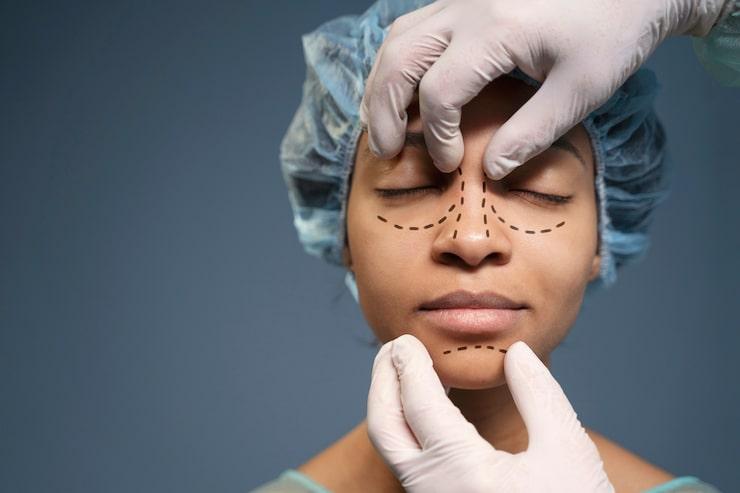
Learn all you need to before getting nose surgery with special insight from doctors at Prakash Hospital, Noida.
19 Aug 2025
by Prakash Hospital

How much water to drink daily in India — the real answer, signs of dehydration, and best hydration sources. Prakash Hospital Noida.
28 Sept 2026
by Prakash Hospital

Learn effective techniques to manage panic attacks, understand triggers, and take control of anxiety with expert-backed strategies.
3 May 2025
by Prakash Hospital

Dry skin causes, best Indian remedies, and when it's something more serious. Prakash Hospital Noida.
10 Sept 2026
by Prakash Hospital

Best Indian foods for healthy, glowing skin — what to eat for skin hydration, collagen, and protection from UV damage. Prakash Hospital Noida.
14 Sept 2026
by Prakash Hospital


Book a consultation with Prakash Hospital's specialists — 24/7 emergency care, 100+ doctors, NABH accredited.
View All Departments