



A Full Guide to Feminine Hygiene for All Women
Learn essential feminine hygiene practices to support women’s health and prevent infections with expert insights from Prakash Hospital, Noida.
3 Sept 2025
by Prakash Hospital
by Prakash Hospital
by Prakash Hospital
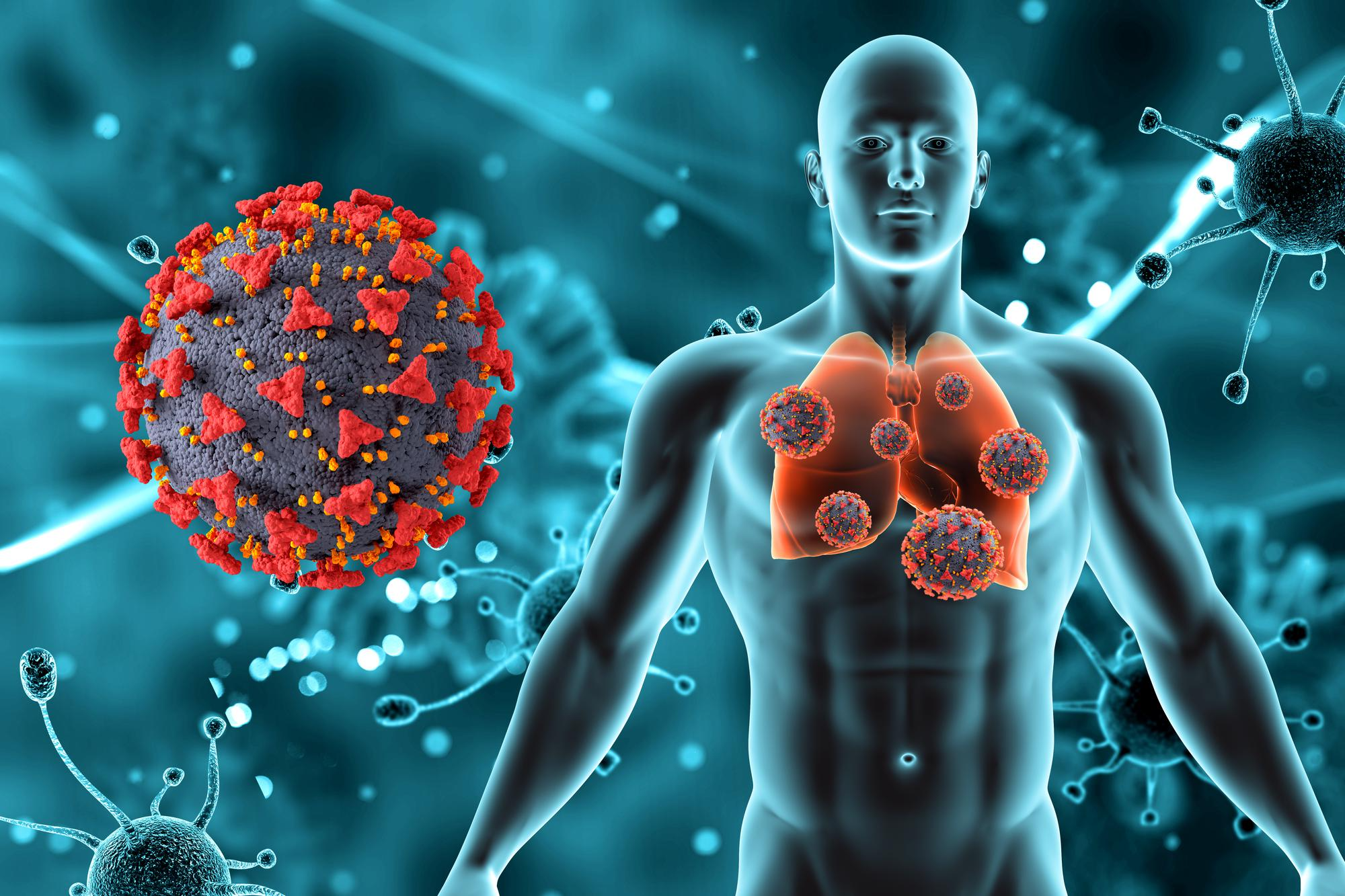
A visual representation illustrating autoimmune disease.
Autoimmune diseases are a group of complex health conditions wherein the immune system, which is meant to protect the body from infections and other harmful invaders, attacks its healthy tissues by mistake. Instead of defending, the immune system now becomes an internal threat leading to chronic inflammation, tissue damage and long-term health complications.
These conditions can affect almost any part of the body including the joints, skin, muscles, blood, thyroid, digestive system and even the brain. Understanding autoimmune diseases is important in the early diagnosis and effective management of the conditions.
An autoimmune disease occurs when the immune system fails in differentiating between foreign substances and the body's own cells and as such, produces antibodies that attack healthy tissues causing inflammation and disrupting normal organ function.
More than 80 known autoimmune diseases exist and many of them share similar symptoms, making diagnosis difficult.
The exact cause is not fully known but autoimmune disease is believed by experts to result from a combination of factors, including:
It remains overactive once triggered and causes continuous damage unless kept under control.
Symptoms vary, depending on the organ affected but commonly include:
These symptoms often come and go in phases known as flare-ups and remissions.

A tired man experiencing fatigue as a symptom of autoimmune disease.
If left unmanaged, autoimmune diseases can cause permanent organ damage, disability, reduced quality of life and life-threatening complications. Continuous inflammation can lead to tissue scarring and functional decline.
Early diagnosis prevents irreversible damage and leads to better treatment outcomes.
Doctors use a combination of:
Due to the overlap of symptoms, confirmation of the condition may involve multiple tests.
Most autoimmune diseases have no permanent cure but symptoms can be managed through proper treatment. They include:
Treatment depends on the specific condition and its severity.
Prioritise:
Avoid:
Chronic stress worsens immune dysfunction. Practice:
Low-impact exercises such as walking, swimming and stretching improve mobility and reduce stiffness.
Poor sleep increases inflammation. Aim for 7-9 hours of restful sleep daily.

Adequate sleep helping the body recover and reduce fatigue for better well-being.
Flare-ups can be caused by:
Recognizing personal triggers can help avoid frequency and severity of flare-ups.
Living with an autoimmune condition involves long-term care, including lifestyle changes and regular monitoring. Support from healthcare professionals as well as family and patient communities, can drastically enhance emotional and physical well-being.
Educating yourself and being aware of the changes in your body is key to symptom management.
Although complete prevention may not be possible, you can reduce risks by:
Consult with a healthcare provider if you have:
The autoimmune diseases are a serious but manageable group of conditions wherein the immune system attacks the body itself. However, with proper understanding, early diagnosis and proper medical treatment, along with a healthy lifestyle habit, one can live fulfilling lives. Maintaining a proactive approach, managing stressors and being compliant with treatment plans are where stability and the enhancement of the quality of life start.

Treats the uterine lining to make heavy periods lighter or stop them, with no cuts, for women who want no more children.
An ultrasound of the heart that shows how well it pumps and how the valves work. Painless and radiation-free.
Endoscopic treatment through the mouth that removes bile duct stones and opens blockages causing jaundice.
Free tools to check your weight, plan a pregnancy, track calories and more.
We offer expert care across key specialties, including Medicine, Cardiology, Orthopaedics, ENT, Gynaecology, and more—delivering trusted treatment under one roof.
Learn essential feminine hygiene practices to support women’s health and prevent infections with expert insights from Prakash Hospital, Noida.
3 Sept 2025
by Prakash Hospital

Discover why mental skills like focus, motivation, and resilience are as important as physical conditioning for peak athletic performance.
19 May 2025
by Prakash Hospital

Learn about the successful blood camp conducted by Prakash Hospital, thanks to support from local community and leaders.
19 Sept 2025
by Prakash Hospital

White vaginal discharge — what's normal, what's not, and when to see a gynaecologist. From Prakash Hospital Noida.
3 Aug 2026
by Prakash Hospital

Low AMH and ovarian reserve — what the test means, what affects it, and how to improve fertility outcomes. Prakash Hospital Noida.
31 Jul 2026
by Prakash Hospital

Blocked fallopian tubes often cause no symptoms and are found during infertility tests. Learn the causes, how an HSG works and treatment options such as IVF.
12 Nov 2026
by Prakash Hospital


Book a consultation with Prakash Hospital's specialists — 24/7 emergency care, 100+ doctors, NABH accredited.
View All Departments