


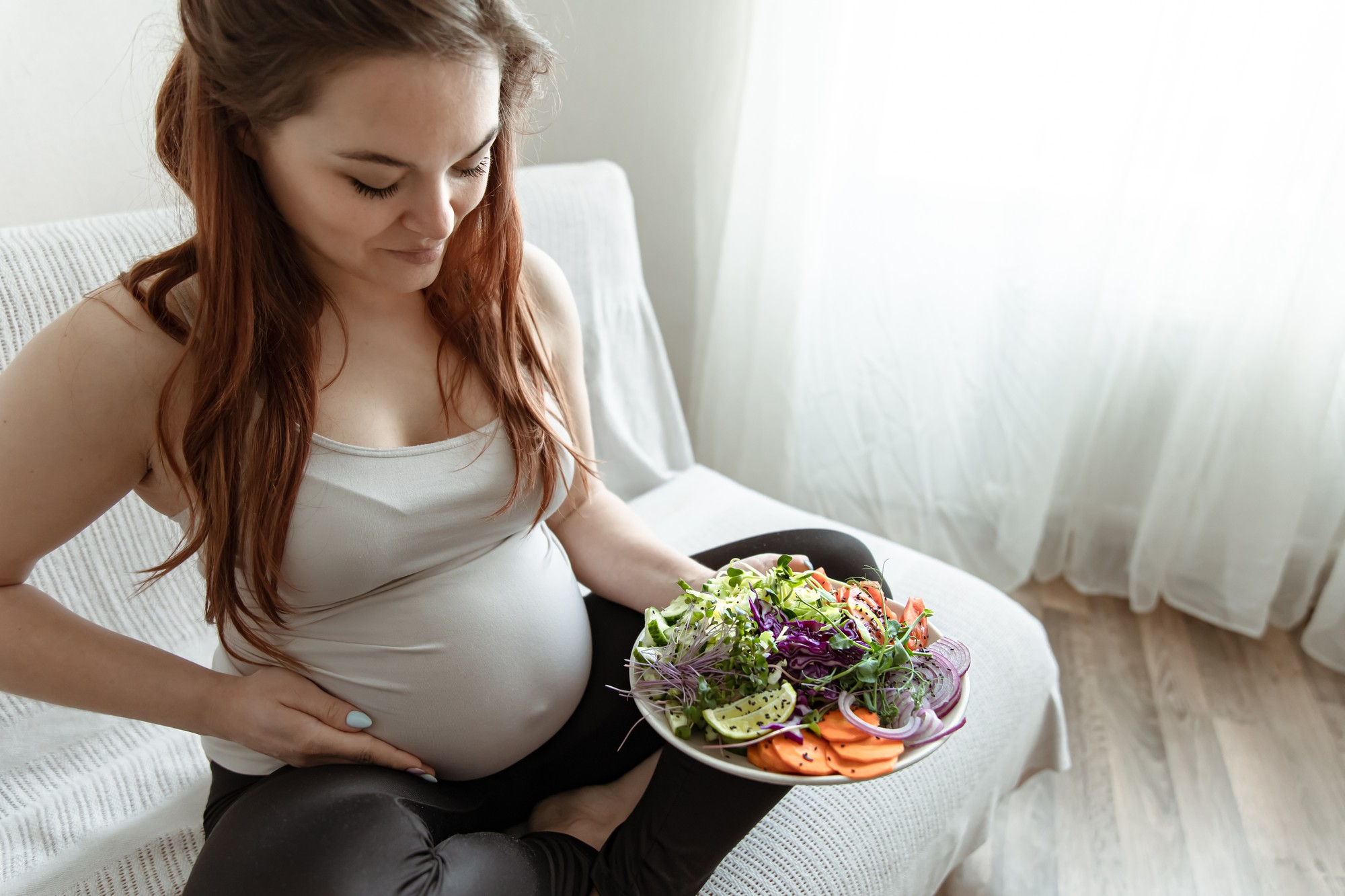
Nutrition During Pregnancy: Best Foods to Eat & Avoid for a Healthy Baby
Learn what to eat and avoid during pregnancy with expert-approved nutrition tips for a healthy mother and baby.
25 Nov 2025
by Prakash Hospital
by By Prakash Hospital

Weight loss and fat reduction by intermittent fasting.
A healthy body fat percentage for most adults sits roughly between 10 and 20 percent for men and 20 and 30 percent for women, and it drifts upward with age. The charts you find online mostly come from Western populations, though, and South Asians tend to run into health problems at lower body fat levels than those charts imply. So the right way to read any chart is with your waist measurement next to it.
This guide gives you the standard ranges, the age-wise picture, and the specific adjustments that matter if you are Indian. It also says plainly where the evidence runs out, because nobody has published a single agreed set of body fat percentage cut-offs for Indians.
These are the widely used American Council on Exercise (ACE) categories:
| Category | Men | Women | |---|---|---| | Essential fat | 2 to 5% | 10 to 13% | | Athletes | 6 to 13% | 14 to 20% | | Fitness | 14 to 17% | 21 to 24% | | Average | 18 to 24% | 25 to 31% | | Obese | 25% and above | 32% and above |
Essential fat is the minimum your body needs to function. Going down to it deliberately is risky: hormones, periods, immunity and mood all suffer.
Body fat tends to rise with age even when weight doesn't, because muscle is lost and fat takes its place. That's why many age-based tables allow slightly higher "healthy" ranges as people get older. A commonly used set (adapted from the Gallagher et al. recommendations) looks like this:
| Age | Men: healthy range | Women: healthy range | |---|---|---| | 20 to 39 | 8 to 19% | 21 to 32% | | 40 to 59 | 11 to 21% | 23 to 33% | | 60 to 79 | 13 to 24% | 24 to 35% |
Two cautions. First, these ranges were set on mostly Western populations. Second, "healthy" here means low risk of obesity-related disease in those populations. For South Asians, aiming for the lower half of each range is a reasonable approach.
Indians tend to carry more body fat and less muscle at a given weight. In a review by Misra and Shrivastava (Nutrients, 2013), data from Singapore showed that at the same body fat percentage, Indians, Chinese and Malays had a BMI roughly 3 points lower than white participants. Put the other way: at the same BMI, South Asians carry more fat.
They also tend to store it in the abdomen and inside the abdomen, and visceral fat is the type that drives insulin resistance, fatty liver and heart disease. The result is that an Indian adult who looks "normal" can have the metabolic profile of an overweight person.
The same review proposed these thresholds for Asian Indians:
These are more established for Indians than any body fat percentage cut-off. Use them next to your body fat number.
If you are an Indian man at 22 percent body fat with a 94 cm waist, a standard chart calls you average. Your metabolic risk is probably not average. The same for a woman at 30 percent with an 86 cm waist. The charts aren't wrong. They simply weren't built around your population, so they understate the risk.
A reasonable personal target for most South Asian adults is:
with a waist below 90 cm (men) or 80 cm (women). This isn't a medical guideline with a formal source. It's a practical, cautious interpretation of the evidence above, and your doctor may adjust it for your age, health and goals.
Women's body fat shifts with hormones:
None of this means fat gain is inevitable. Strength training, enough protein and daily walking slow the shift considerably.
Testosterone starts to drift down from the thirties. Combined with long sitting hours, this encourages muscle loss and belly fat. Many Indian men notice the waistline moving from their early thirties. Weight training, enough sleep and limiting alcohol have the biggest effect.
Don't use adult charts. Body fat in children changes with age, sex and growth stage, and doctors assess it using BMI-for-age percentile charts. If you're worried about a child's weight, a paediatric check is the right step, not a tape measure.
Very low body fat has its own problems:
If your body fat is below the "athlete" range and you're not an athlete, or you're losing weight without trying, see a doctor.
Our guide on how to calculate body fat percentage compares every method. In short:
Always compare like with like. A DEXA result and a smart scale reading for the same person can be five or more points apart.
For most adult men, 14 to 24 percent falls within the standard "fitness to average" range. Because Indians tend to have metabolic risk at lower levels, aiming for roughly 15 to 20 percent with a waist under 90 cm is a sensible target.
On standard charts, 21 to 31 percent covers "fitness to average." For Indian women, roughly 22 to 28 percent with a waist under 80 cm is a sensible goal.
On standard charts it's the start of the obese range. Combined with a waist above 90 cm, it indicates higher risk of diabetes, fatty liver and heart disease, especially in South Asians.
It's within the average range on standard charts, but near the upper end. If your waist is above 80 cm, it's worth checking your blood sugar and cholesterol.
Not reliably. People with the same BMI can have very different body fat levels, which is why the thin-fat pattern goes unnoticed.
Yes. Building muscle while losing a little fat can change your body fat percentage with a small change on the scale. That's one reason waist and body fat tracking are more useful than weight alone.
See a doctor if your body fat is high with a large waist, if you have symptoms such as constant thirst, fatigue, darkened skin folds, irregular periods or excess hair growth, or if your body fat is unusually low and you feel unwell.
Whether you live in Sector 18, Sector 62, Greater Noida West, or anywhere nearby, Prakash Hospital Noida is a trusted name for preventive health, weight management and metabolic care in Noida. Our physicians can help you understand where you stand and what a realistic target looks like for you.
To book a consultation, call the number.
Sources: Misra A, Shrivastava U. Obesity and dyslipidemia in South Asians. Nutrients, 2013. American Council on Exercise body fat categories. Gallagher D et al. Healthy percentage body fat ranges. American Journal of Clinical Nutrition, 2000.
Tags: #BodyFatChartIndia #HealthyBodyFatPercentage #PrakashHospitalNoida

Home dialysis that uses the lining of the abdomen as a filter, with fluid exchanged through a soft tube every day.
A magnified check of the cervix after an abnormal Pap or HPV test, with a small biopsy if needed.
Removes tonsils that cause repeated throat infections or block a child's breathing during sleep.
Free tools to check your weight, plan a pregnancy, track calories and more.
We offer expert care across key specialties, including Medicine, Cardiology, Orthopaedics, ENT, Gynaecology, and more—delivering trusted treatment under one roof.
Learn what to eat and avoid during pregnancy with expert-approved nutrition tips for a healthy mother and baby.
25 Nov 2025
by Prakash Hospital
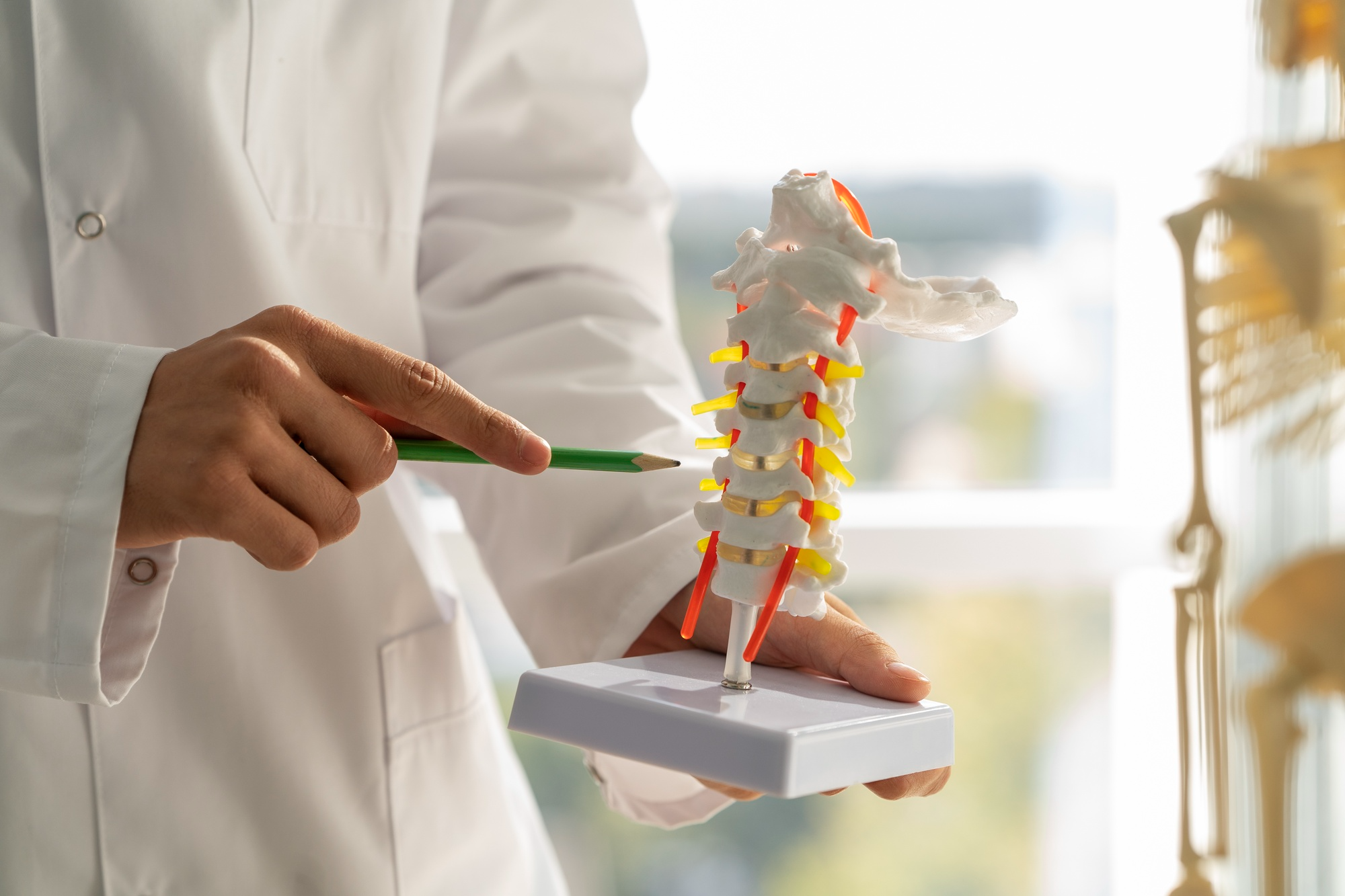
Support fracture recovery with essential nutrients like calcium, vitamin D, and protein for faster bone healing.
19 Nov 2025
by Prakash Hospital

Discover expert-backed nutrition tips for cancer patients. Learn how to manage treatment side effects, stay hydrated, and eat for strength and recovery.
27 May 2025
by Prakash Hospital

Learn about intestinal pain, its causes, warning signs, associated symptoms, and when to seek medical attention.
13 Feb 2026
by Prakash Hospital
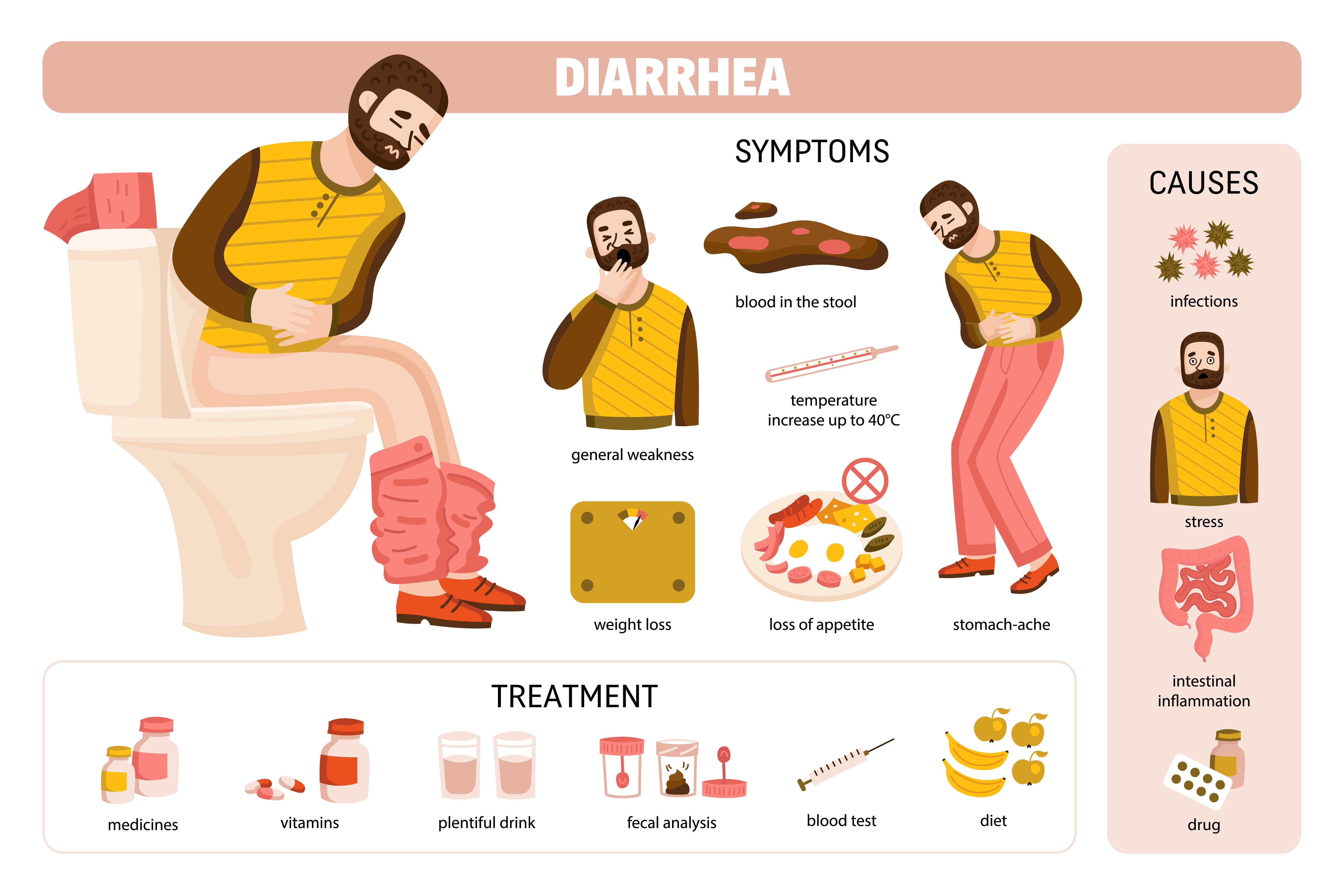
How to relieve constipation with Indian diet, home remedies, and when to see a doctor. Practical guide from Prakash Hospital Noida.
15 Sept 2026
by Prakash Hospital

IBS symptoms, causes, triggers, and management. What is irritable bowel syndrome and how to live with it. Prakash Hospital Noida.
15 Sept 2026
by Prakash Hospital

Magnesium deficiency symptoms like cramps, poor sleep and anxiety, why it is common in India, and the best Indian foods for magnesium. Prakash Hospital Noida.
1 Oct 2026
by Prakash Hospital

Stuck at the same weight despite diet and exercise? Learn the causes of a weight loss plateau and practical ways to get moving again. Prakash Hospital Noida.
13 Nov 2026
by Prakash Hospital
What is a healthy BMI for Indian men? Asian-specific ranges, waist limits, healthy weight by height, and why BMI alone is not enough. Prakash Hospital Noida.
23 Nov 2026
by Prakash Hospital


Book a consultation with Prakash Hospital's specialists — 24/7 emergency care, 100+ doctors, NABH accredited.
View All Departments