

Pregnant woman showing early signs of pregnancy.
The early weeks of pregnancy — before a missed period, before a confirmed test result — are a time of subtle physiological change that the body announces in ways that are easy to misread or overlook. Some women notice clear signals from the first week or two after conception; others don't experience significant symptoms until six to eight weeks, and some have very few symptoms at all.
Understanding early pregnancy signs helps women identify a possible pregnancy promptly and seek appropriate antenatal care early — which significantly impacts maternal and foetal outcomes.
After fertilisation, the developing embryo travels through the fallopian tube and implants in the uterine lining at approximately 6–10 days after conception. Implantation triggers the production of human chorionic gonadotropin (hCG) — the hormone that pregnancy tests detect. hCG rises rapidly in early pregnancy (doubling every 48–72 hours) and drives many of the early symptoms by stimulating progesterone production and other hormonal changes.
A missed period is the most widely known pregnancy sign. For women with regular cycles (21–35 days), a period that doesn't arrive on schedule — particularly if there has been recent unprotected intercourse — is the clearest signal to take a pregnancy test.
Important caveat: a missed period is not only caused by pregnancy. PCOD, thyroid disorder, stress, significant weight change, and other hormonal factors can all cause missed periods. A pregnancy test is the only way to distinguish a pregnancy-related missed period from other causes.
Approximately 6–10 days after conception, some women experience light spotting or bleeding when the embryo implants in the uterine wall. This is typically much lighter than a normal period (pink or brown rather than red, very light flow), lasts 1–3 days at most, and may be accompanied by mild cramping.
Women sometimes mistake implantation bleeding for a very light period, leading to confusion about the pregnancy date. It is not experienced by all pregnant women — many have no implantation bleeding at all.
Increased sensitivity, heaviness, fullness, or tenderness of the breasts is among the earliest pregnancy signs — often noticed within 1–2 weeks of conception. The areolas (dark area around the nipple) may darken and enlarge; small bumps around the areola (Montgomery glands) may become more prominent. This is caused by rising estrogen and progesterone preparing the breasts for lactation.
Many women notice that the breast tenderness of pregnancy feels more intense and constant than typical premenstrual breast sensitivity.
Despite being called "morning" sickness, pregnancy-related nausea can occur at any time of day or night. It typically begins around 4–6 weeks of pregnancy (2–4 weeks after a missed period) and peaks at 8–10 weeks, gradually improving by the end of the first trimester for most women.
The nausea ranges from mild queasiness to significant vomiting. Certain smells (cooking odours, particular foods, perfumes) become intensely triggering. Certain foods that were previously enjoyable become impossible to tolerate; unusual cravings for other foods may appear simultaneously.
Hyperemesis gravidarum: severe, persistent nausea and vomiting in pregnancy (far beyond ordinary morning sickness) that prevents adequate nutrition and hydration. Requires medical management — IV fluid and nutrition, antiemetics, and sometimes hospitalisation. Women who cannot keep any food or fluid down for 24+ hours should seek medical help.
Many women describe the fatigue of early pregnancy as overwhelming — unlike any tiredness they've experienced before. Progesterone has a sedating effect, and the metabolic demands of early placental development consume significant energy. The urge to sleep in the middle of the day, difficulty getting through a normal workday, and feeling exhausted after minimal effort are all characteristic.
This typically improves in the second trimester (weeks 13–27) when progesterone levels plateau and the most intense first-trimester developmental activity has passed.
Blood volume increases by 40–50% during pregnancy, meaning the kidneys filter more blood and produce more urine. Additionally, the growing uterus in later weeks presses on the bladder. Increased frequency of urination — waking at night to urinate, needing to go more often during the day — begins surprisingly early, sometimes within the first few weeks.
This needs to be distinguished from a urinary tract infection (UTI) — which is also common in pregnancy and requires treatment. If urination is also accompanied by burning, pain, or blood in the urine, a urine test is needed.
Some women experience mild, intermittent cramping in the lower abdomen or pelvis in very early pregnancy — from implantation, from the uterus beginning to expand, and from increased blood flow to the pelvis. These cramps are typically mild and brief, different from the more sustained cramps of menstruation.
Cramping that is severe, one-sided, or accompanied by shoulder tip pain and vaginal bleeding requires emergency evaluation — this pattern can indicate an ectopic pregnancy (implantation outside the uterus), which is a medical emergency.
Rapidly fluctuating hormones in early pregnancy affect neurotransmitter balance. Many women report feeling emotionally labile — crying more easily than usual, feeling heightened anxiety, or experiencing unusual irritability — in the first trimester. This is hormonally driven, not a sign of psychological weakness.
Aversions to specific foods or smells — often foods that were previously neutral or enjoyed, like coffee, eggs, meat, or certain sabzis — are among the earliest pregnancy signs for many women. Cravings for specific foods (sometimes unusual combinations) occur simultaneously. Both are thought to relate to hCG-driven changes in taste and smell perception, as well as hormonal effects on gut sensitivity.
Progesterone relaxes smooth muscle throughout the body — including in the gut. Slowed gut transit causes constipation and bloating in early pregnancy. This can be mistaken for premenstrual bloating.
Many pregnant women describe a dramatically heightened sensitivity to smells — noticing odours they wouldn't normally register, and finding previously neutral smells suddenly overwhelming or nauseating. This is one of the more distinctive early pregnancy experiences.
Progesterone causes vasodilation (widening of blood vessels), which can temporarily reduce blood pressure in early pregnancy — causing light-headedness particularly when standing up quickly (orthostatic hypotension). Low blood sugar from nausea-reduced eating also contributes.
Increased clear or white vaginal discharge (leucorrhoea) is normal in early pregnancy, from increased blood flow to the cervix and vaginal walls and hormonal effects on cervical glands. This is different from the discharge of infection (which has odour, colour beyond white/clear, or causes itching/burning).
Home urine pregnancy tests (HPT): detect hCG in urine. Modern sensitive tests can detect pregnancy from the first day of a missed period, or sometimes a few days before. Testing in the morning with the first urine of the day (most concentrated) gives the most reliable result.
How to read the result: even a very faint second line is a positive result — any hCG above the detection threshold (even low levels in very early pregnancy) produces a line. A positive HPT is reliable; a negative one on or after the first missed period is also reliable.
Blood serum beta-hCG: a blood test detects hCG earlier than urine tests (from 8–10 days after conception) and can quantify the level. Serial measurements (48–72 hours apart) that show the appropriate doubling provide early reassurance about pregnancy viability.
1.Book an antenatal appointment: early antenatal booking (ideally by 8–10 weeks) allows first-trimester screening, dating scan, and early assessment. Don't wait until symptoms become more obvious.
2.Start folic acid (5 mg daily): if not already started. Folic acid significantly reduces the risk of neural tube defects (spina bifida) — and should ideally be started before conception. Continue for the first 12 weeks at minimum.
3.Stop alcohol and tobacco completely: no safe level of alcohol in pregnancy.
4.Review medications: some medications are contraindicated in pregnancy. Review all prescribed and over-the-counter medications with a doctor.
5.Discuss diet and supplements: iron, calcium, vitamin D, and iodine needs increase in pregnancy.
At Prakash Hospital Noida, our obstetric team provides early pregnancy confirmation, dating scans, first-trimester screening, and comprehensive antenatal care from the earliest weeks. Early pregnancy complications including threatened miscarriage and ectopic pregnancy are managed with prompt evaluation.
Whether you live in Sector 18, Sector 62, Greater Noida West, or anywhere in the NCR, Prakash Hospital Noida is a trusted name for early pregnancy care, antenatal services, and obstetrics in Noida.
Tags: #EarlySignsOfPregnancy #PregnancySymptomsIndia #PrakashHospitalNoida

This article covers gynaecology concerns. These Prakash Hospital doctors in Noida treat them.

Dr. Shachi Singh
Consultant Gynaecologist & Obstetrician
Obstetrics & High-Risk Pregnancy · Laparoscopic Surgery · Infertility Treatment
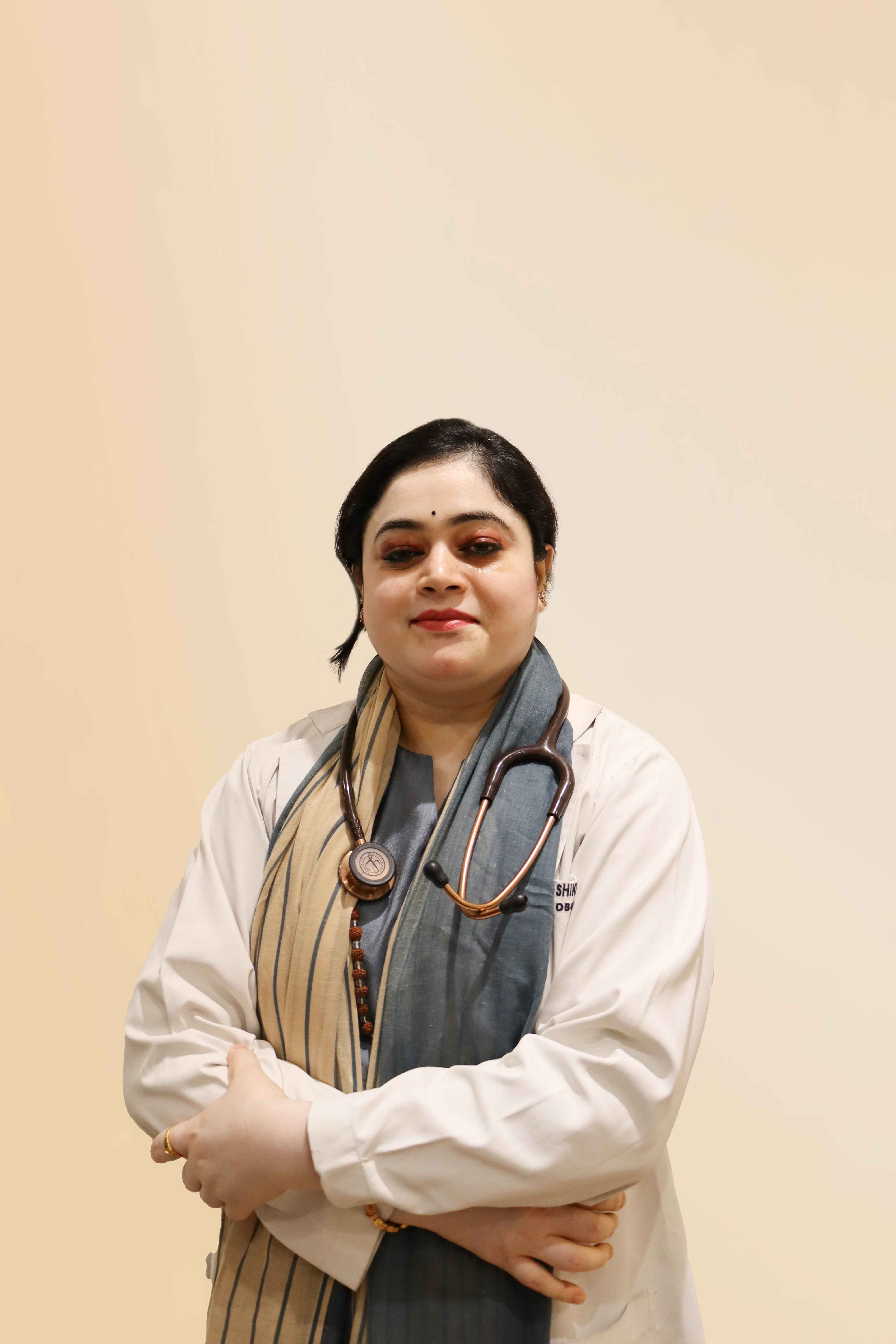
Dr. Priya Shikha Modi
Consultant Gynaecologist
Hysterectomies · Laparoscopic Hysterectomies · Gynecological Pathologies
We offer expert care across key specialties, including Medicine, Cardiology, Orthopaedics, ENT, Gynaecology, and more—delivering trusted treatment under one roof.


Book a consultation with Prakash Hospital's specialists — 24/7 emergency care, 100+ doctors, NABH accredited.

Prakash Hospital Pvt. Ltd. is a 100 bedded NABH NABL accredited multispecialty hospital along with a center of trauma and orthopedics. We are in the service of society since 2001.
OUR SPECIALITIES
Patient Services
PROCEDURES
Contact Us
D – 12A, 12B, Sector-33, G. B. Nagar, Noida, Uttar Pradesh 201301
+91-8826000033


© 2026 All rights reserved.
Designed and Developed by Zarle Infotech


