Woman visits a gynecologist to report on endometriosis symptoms, complaining of pelvic pain.
Endometriosis is a condition in which tissue similar to the lining of the uterus (the endometrium) grows outside the uterus — on the ovaries, fallopian tubes, bladder, bowel, and elsewhere in the pelvic cavity. Like the uterine lining, this misplaced tissue responds to the monthly hormonal cycle — thickening, breaking down, and bleeding with each menstrual cycle — but with nowhere to exit.
The result is internal inflammation, scar tissue (adhesions), ovarian cysts (endometriomas, or "chocolate cysts"), and — often — severe, debilitating pain.
Endometriosis affects approximately 10% of women globally during their reproductive years. In India, it is significantly underdiagnosed — largely because painful periods are often normalised ("it's just periods, all women have this") and the average time from symptom onset to diagnosis is 7–10 years. Many Indian women with endometriosis spend years managing pain without anyone investigating the cause.
The cause is not fully understood. The most widely accepted theory is retrograde menstruation — menstrual blood flowing backward through the fallopian tubes into the pelvis, carrying endometrial cells that then implant and grow. However, most women have some retrograde menstruation, so other factors — immune system dysfunction, genetic predisposition, and altered peritoneal environment — appear to determine who develops endometriosis.
Endometriosis is estrogen-dependent — the misplaced tissue is stimulated by estrogen, which is why it tends to improve after menopause when estrogen falls.
Endometriosis-associated period pain is typically:
The key clinical feature that should raise the suspicion of endometriosis over primary dysmenorrhoea: progressive worsening of previously manageable period pain, or pain that doesn't respond to NSAIDs at appropriate doses.
Deep pain during or after sexual intercourse — particularly in certain positions that put pressure on the uterosacral ligaments or rectovaginal area — is a hallmark of endometriosis. This is called deep dyspareunia and distinguishes endometriosis from superficial causes of intercourse pain.
Many women are too embarrassed to mention this symptom. In the Indian context, where discussion of sexual symptoms with a doctor faces cultural barriers, this often goes unmentioned for years.
Pain that persists beyond menstruation — present throughout the month, or throughout most of the month — suggests that the endometriosis deposits are causing ongoing peritoneal inflammation rather than only cycle-driven pain.
Endometriosis deposits on or near the bowel or bladder cause pain specifically during menstruation, when the deposits are inflamed and swollen. This produces:
The cyclical nature — these symptoms worsening with menstruation — is the diagnostic clue. Bowel or bladder symptoms that fluctuate with the menstrual cycle should always raise the question of endometriosis.
Endometriosis is found in approximately 30–50% of women who present with infertility. The mechanisms are multiple: distorted pelvic anatomy from adhesions, impaired fallopian tube function, altered follicular environment affecting egg quality, and — in severe cases — blocked tubes. Even mild endometriosis (without obvious structural damage) appears to impair fertility through inflammatory effects on the peritoneal environment and egg quality.
Endometriosis should be considered in any woman who has been trying to conceive for 12 months (or 6 months if above 35) without success.
Many women with endometriosis also experience menorrhagia (heavy periods) — from the combination of increased prostaglandin production and associated adenomyosis (endometrial tissue within the uterine muscle, which often coexists with endometriosis).
Chronic pain, the inflammatory load of endometriosis, and often disrupted sleep from pain collectively produce significant fatigue. The fatigue of endometriosis is frequently dismissed by healthcare providers as unrelated — but it is a genuine and significant symptom that affects quality of life.
The average 7–10 year delay from symptom onset to diagnosis of endometriosis is one of the most concerning aspects of the condition globally — and India is not exempt. Several factors contribute:
Normalisation of period pain: "painful periods are normal for women" is a cultural belief in India that prevents women from seeking help and prevents healthcare providers from investigating. Periods should not be routinely debilitating.
Lack of awareness among general practitioners: many first-contact physicians are not familiar with the diagnostic criteria for endometriosis and may attribute symptoms to functional causes or IBS (which can share symptoms but is a different condition).
No non-invasive confirmatory test: blood tests (CA-125, which is elevated in endometriosis) and ultrasound (which detects endometriomas and some deposits) are helpful but not definitively diagnostic. Laparoscopy (keyhole surgical camera examination of the pelvis) remains the gold standard for confirming endometriosis.
Cultural barriers: women don't discuss period pain openly, and many cultural contexts don't encourage women to seek help for gynaecological symptoms.
Clinical suspicion: the first step. A gynaecologist familiar with endometriosis will recognise the symptom pattern — progressive dysmenorrhoea, dyspareunia, cyclical bowel or bladder symptoms — and initiate investigation.
Pelvic ultrasound (transvaginal): can detect ovarian endometriomas ("chocolate cysts" — cysts filled with old blood on the ovary, appearing as homogeneous low-level echoes on ultrasound). Cannot reliably detect peritoneal deposits (the most common type) or adhesions.
MRI: better than ultrasound for mapping the extent of endometriosis, particularly for deep infiltrating endometriosis (DIE) involving the bowel, bladder, or uterosacral ligaments.
CA-125 blood test: elevated in moderate-severe endometriosis. Not specific enough to diagnose alone — elevated in ovarian cancer, fibroids, and other conditions — but useful as a supporting marker.
Laparoscopy: the definitive diagnostic procedure. A camera is inserted through small abdominal incisions, allowing direct visualisation of endometriotic deposits. Biopsies are taken for histological confirmation. Simultaneously therapeutic — deposits can be excised or ablated during the same procedure.
Endometriosis has no cure, but its symptoms and progression can be managed significantly.
Hormonal treatments: suppress estrogen (since endometriosis is estrogen-dependent) and reduce menstruation.
NSAIDs (mefenamic acid, naproxen) for cycle-related pain. Amitriptyline, gabapentin, or pregabalin for chronic pelvic pain with neuropathic components. Physiotherapy for pelvic floor dysfunction which often coexists.
IVF is recommended for endometriosis-associated infertility when natural conception has not occurred after an appropriate period, or when the endometriosis is moderate-severe. Surgical treatment before IVF may or may not improve outcomes depending on the type and severity — requires specialist discussion.
See a gynaecologist if:
At Prakash Hospital Noida, our gynaecologists assess pelvic pain and endometriosis symptoms — with ultrasound imaging, hormonal assessment, and appropriate referral for specialist management including laparoscopic evaluation and fertility treatment.
Whether you live in Sector 18, Sector 62, Greater Noida West, or anywhere in the NCR, Prakash Hospital Noida is a trusted name for endometriosis, women's health, and gynaecology in Noida.
Tags: #EndometriosisSymptoms #EndometriosisIndia #PrakashHospitalNoida

This article covers gynaecology concerns. These Prakash Hospital doctors in Noida treat them.
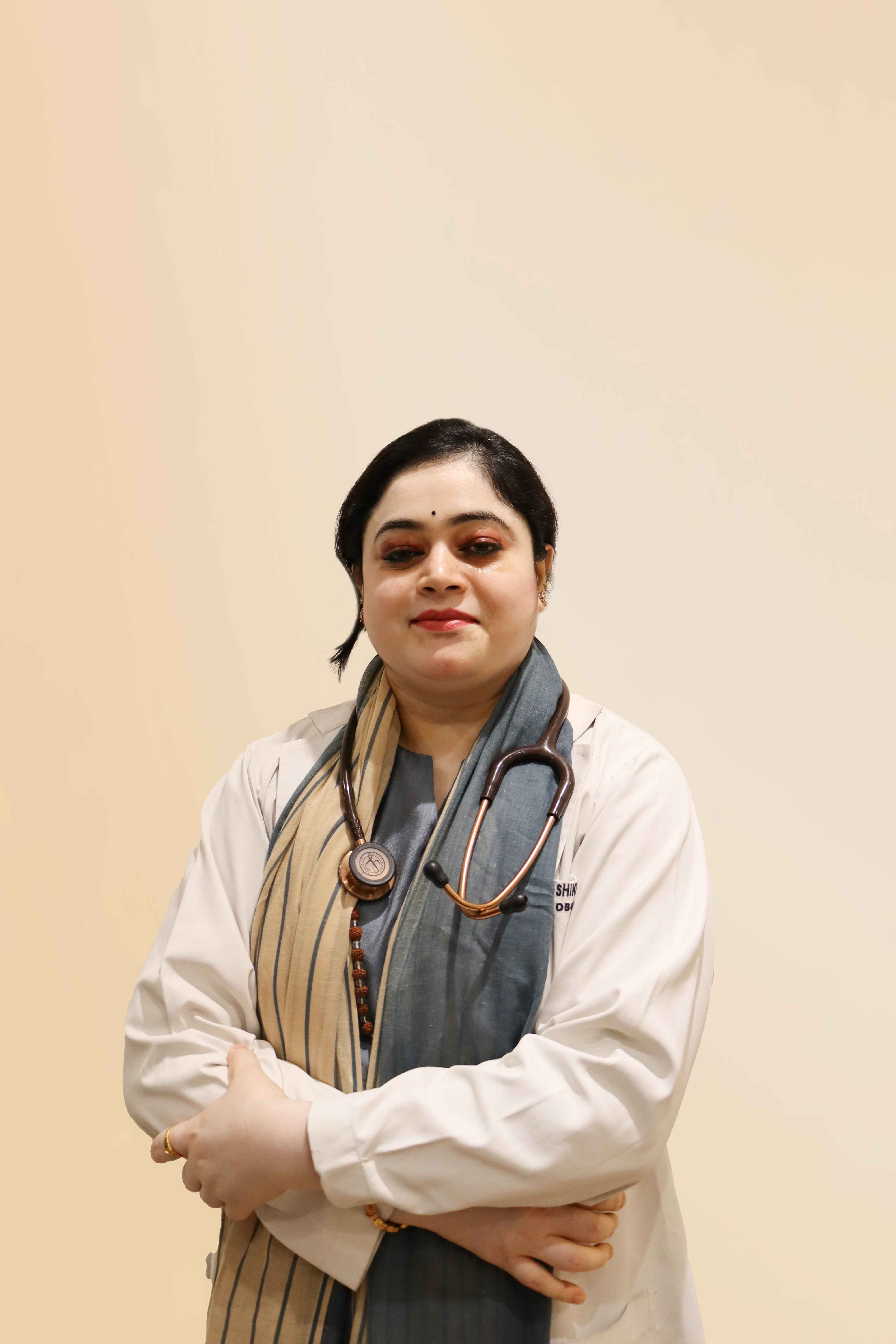
Dr. Priya Shikha Modi
Consultant Gynaecologist
Hysterectomies · Laparoscopic Hysterectomies · Gynecological Pathologies

Dr. Shachi Singh
Consultant Gynaecologist & Obstetrician
Obstetrics & High-Risk Pregnancy · Laparoscopic Surgery · Infertility Treatment
We offer expert care across key specialties, including Medicine, Cardiology, Orthopaedics, ENT, Gynaecology, and more—delivering trusted treatment under one roof.


Book a consultation with Prakash Hospital's specialists — 24/7 emergency care, 100+ doctors, NABH accredited.

Prakash Hospital Pvt. Ltd. is a 100 bedded NABH NABL accredited multispecialty hospital along with a center of trauma and orthopedics. We are in the service of society since 2001.
OUR SPECIALITIES
Patient Services
PROCEDURES
Contact Us
D – 12A, 12B, Sector-33, G. B. Nagar, Noida, Uttar Pradesh 201301
+91-8826000033


© 2026 All rights reserved.
Designed and Developed by Zarle Infotech