A woman using phone at night rubbing her eyes due to screen fatigue.
The eyes do remarkable work every minute of every day, and most of us only think about them when something goes wrong. With more screen time than any previous generation, polluted urban air, rising rates of diabetes, and an ageing population, eye problems are becoming more common at younger ages.
The good news is that most common eye conditions are either preventable, treatable, or both. Regular eye check-ups catch many problems early, and a few simple habits make a real difference for long-term eye health.
This is a practical guide to common eye problems, signs to watch for, and how to take care of your eyes.
How the eyes work
The eye is a small, intricate organ. Light enters through the cornea (the clear front part), passes through the pupil and lens, and lands on the retina at the back. Photoreceptors in the retina convert light into nerve signals, which travel via the optic nerve to the brain. The brain interprets these signals as the images we see.
Each part can develop problems. The cornea can get infected or scarred. The lens can become cloudy (cataract). The pressure inside the eye can rise (glaucoma). The retina can deteriorate (macular degeneration, diabetic retinopathy). The optic nerve can be damaged. Each problem causes specific symptoms and needs specific treatment.
Refractive errors
The most common eye condition. The shape of the eye does not focus light correctly on the retina.
Myopia (short-sightedness): distant objects appear blurred. Near vision is usually clear. Increasingly common in children and young adults, partly because of more screen time and less outdoor activity.
Hyperopia (long-sightedness): near objects appear blurred. Distant vision is usually clear in younger people but both may blur with age.
Astigmatism: blurred vision at all distances due to irregular cornea or lens shape.
Presbyopia: age-related difficulty focusing on near objects. Starts around 40 and progresses. Most people need reading glasses by their mid-40s.
Treatment: glasses, contact lenses, or refractive surgery (LASIK, SMILE, PRK) in suitable candidates.
Regular eye exams catch refractive errors early. Children should have eye exams at least once before starting school and periodically afterwards.
Dry eyes
Common, especially with extended screen use and air-conditioned environments. The eye does not produce enough tears, or the tears evaporate too quickly.
Symptoms:
Burning or stinging
Gritty feeling
Redness
Sensitivity to light
Blurred vision that improves with blinking
Excessive tearing (paradoxically, the eye produces reflex tears in response to dryness)
Difficulty wearing contact lenses
Tired eyes after reading or screen use
Causes:
Extended screen use (we blink less when staring at screens)
Air conditioning and heating
Dry environments
Ageing
Hormonal changes (especially after menopause)
Certain medications (antihistamines, antidepressants, some blood pressure medicines)
Artificial tear eye drops (preservative-free for frequent use)
20-20-20 rule: every 20 minutes of screen time, look at something 20 feet away for 20 seconds
Adjust screen position (top of screen at or slightly below eye level)
Reduce screen brightness in dim rooms
Use a humidifier
Stay hydrated
Warm compresses on closed eyes
Lid hygiene if blepharitis is present
Omega-3 supplements
Prescription drops in severe cases (cyclosporine, lifitegrast)
Punctal plugs (small plugs that block tear drainage) in some cases
Digital eye strain (computer vision syndrome)
A modern problem. Extended screen use causes symptoms that overlap with dry eye:
Symptoms:
Eye strain
Headaches
Blurred vision
Dry eyes
Neck and shoulder pain
Solutions:
20-20-20 rule
Proper lighting (no glare on screen)
Position screen 20 to 28 inches from eyes
Top of screen at or slightly below eye level
Reduce screen time when possible
Use blue light glasses (evidence is mixed but they may help with comfort)
Regular blinking
Adjust contrast and font size
Take longer breaks for outdoor activities
Conjunctivitis (pink eye)
Inflammation of the conjunctiva (the membrane covering the white of the eye and inside the eyelids).
Types:
Viral conjunctivitis: highly contagious, often associated with cold-like symptoms. Watery discharge. Usually resolves on its own in 1 to 2 weeks.
Bacterial conjunctivitis: thick yellow or green discharge. Eyes often stuck together in the morning. Responds to antibiotic eye drops.
Allergic conjunctivitis: itchy, watery, often both eyes. Associated with allergies. Responds to antihistamine drops.
Symptoms:
Redness
Discharge
Itching or burning
Foreign body sensation
Sensitivity to light
Tearing
Eye drops being applied to a man's eyes.
When to see a doctor:
Severe pain
Vision changes
Sensitivity to light
Newborns and young children
Compromised immune system
Symptoms lasting more than a week
Worsening symptoms
Hygiene: viral and bacterial conjunctivitis spread easily. Wash hands frequently, do not share towels, avoid touching eyes, replace eye makeup, wash linens.
Cataracts
Clouding of the natural lens of the eye. Usually develops with age but can occur earlier.
Symptoms:
Gradually blurred or hazy vision
Difficulty seeing at night
Glare and halos around lights
Faded colours
Frequent prescription changes
Sometimes improved near vision temporarily (a sign of advancing cataract)
Double vision in one eye
Causes:
Ageing (most common)
Diabetes
Long-term steroid use
Eye injuries
UV exposure
Genetic factors
Congenital (some children are born with cataracts)
Smoking
Treatment:
Cataract surgery is one of the most successful surgeries performed:
The cloudy lens is removed
An artificial lens (intraocular lens, IOL) is implanted
Usually done as a day-care procedure
Recovery is rapid
Vision usually improves dramatically
Modern cataract surgery uses small incisions, phacoemulsification, and various lens options including multifocal lenses that may reduce dependence on glasses.
Timing of surgery: when cataract affects daily life. No need to wait for it to "mature" (an outdated concept).
Glaucoma
A group of conditions where the optic nerve is damaged, often associated with increased pressure inside the eye. Called the "silent thief of sight" because it usually has no symptoms until significant vision is lost.
Types:
Open-angle glaucoma: most common type, progresses slowly without symptoms until later stages.
Angle-closure glaucoma: less common, can develop suddenly with severe pain, redness, blurred vision, nausea. Medical emergency.
Normal-tension glaucoma: optic nerve damage despite normal eye pressure.
Eye drops to lower pressure (the most common treatment)
Laser procedures
Surgery in some cases
Lifelong follow-up
Treatment slows progression but does not reverse damage. Early detection is essential.
Diabetic retinopathy
Damage to retinal blood vessels from long-standing diabetes. Leading cause of preventable blindness in working-age adults.
Covered in detail in the diabetes complications blog in this series.
Key points:
All people with diabetes need annual dilated eye examinations
Tight blood sugar control prevents or delays the condition
Treatment includes laser, injections, sometimes surgery
Early detection saves vision
Macular degeneration
Age-related condition affecting the central part of the retina (macula).
Types:
Dry macular degeneration: more common, slow progression.
Wet macular degeneration: abnormal blood vessels grow and leak. Rapid vision loss. Treatable with injections.
Symptoms:
Blurred or distorted central vision
Difficulty reading
Difficulty recognising faces
Straight lines appearing wavy
Dark or empty area in central vision
Risk factors:
Age over 50
Family history
Smoking
High blood pressure
Cardiovascular disease
Excess sun exposure
Diet low in greens and fish
Treatment: injections for wet macular degeneration, vitamins for dry type, lifestyle modifications.
Eye injuries and emergencies
Some eye problems need immediate care:
Chemical splash in the eye (rinse with lots of water for 15 minutes, then go to emergency)
Foreign body that does not come out with blinking and rinsing
Severe eye pain
Sudden vision loss
Flashing lights or many new floaters (possible retinal detachment)
Severe redness with pain and vision changes
Trauma to the eye
Black eye with vision changes
Eye stuck open or shut
Blood inside the eye
Pupil shape change
Do not rub the eye. Do not apply pressure. Get to an eye specialist or emergency room.
Common myths
"Reading in dim light damages eyes." Causes temporary eye strain but no lasting damage.
"Sitting close to TV damages eyes." Can cause eye strain in children. Not permanent damage.
"Carrots improve eyesight dramatically." Vitamin A is important for vision but eating extra does not improve normal vision.
"Glasses make eyesight weaker." Glasses correct vision but do not change the underlying eye anatomy.
"Eye exercises eliminate the need for glasses." Eye exercises do not correct refractive errors.
"Cataracts only happen to old people." Most cataracts occur with age but younger people can develop them too.
"You can wait until cataract is mature for surgery." Surgery is best when cataract starts affecting daily activities. No need to wait.
"Glaucoma is felt as eye pressure." Most glaucoma has no symptoms.
"Computer screens damage eyes permanently." Extended screen use causes temporary symptoms (eye strain, dryness) but no permanent damage in most cases. May contribute to myopia progression in children.
"Wearing weak glasses is harmful." Properly prescribed glasses are not harmful. Incorrectly prescribed ones can cause discomfort.
"Eye drops without prescription are harmless." Some drops have side effects with prolonged use. Use under guidance.
Eye-healthy habits
A few habits make a real difference for long-term eye health:
Regular eye examinations: at least every 2 years for healthy adults, annually if you have diabetes, family history of eye disease, or wear contact lenses, or are over 60.
Protective eyewear: in dust, during construction work, sports, gardening, working with chemicals.
Sunglasses: UV-blocking sunglasses outdoors reduce risk of cataracts and macular degeneration.
Stop smoking: smoking is a major risk factor for many eye conditions.
Healthy diet: green leafy vegetables, fish (omega-3), citrus fruits, eggs, nuts, whole grains. Specific nutrients including lutein, zeaxanthin, vitamin C, vitamin E, zinc, omega-3 fatty acids support eye health.
Stay hydrated: helps tear production.
Take screen breaks: 20-20-20 rule.
Adequate sleep: eye recovery happens during sleep.
Proper lighting: when reading or working.
Hand hygiene: prevents many eye infections.
Do not share towels, eye makeup, or contact lens supplies.
Contact lens care: follow instructions strictly. Replace as recommended. Never sleep in lenses unless specifically designed for it. Replace storage solution daily.
Avoid rubbing eyes vigorously: can damage cornea, especially in people with thin corneas.
Treat eye infections promptly.
Children's eye care
Children's eye development is rapid. Early detection of problems is critical:
First eye exam before age 1 (in routine paediatric care)
Vision screening before starting school
Regular checks during school years
Watch for signs of difficulty: squinting, head tilting, holding objects close, frequent rubbing, complaints of blurred vision
Limit screen time
Encourage outdoor play (associated with lower myopia rates)
Adequate lighting for reading and homework
Proper posture and seating distance
Common children's eye conditions include refractive errors, lazy eye (amblyopia), squint (strabismus), and various inherited conditions. Most are treatable when caught early.
Eye care for older adults
Risk of multiple conditions rises with age:
Cataracts
Glaucoma
Macular degeneration
Diabetic retinopathy
Dry eyes
Recommendations:
Annual comprehensive eye exam
Manage diabetes and hypertension tightly
Healthy diet
No smoking
Sunglasses outdoors
Treat symptoms promptly
Continue with prescribed treatments without gaps
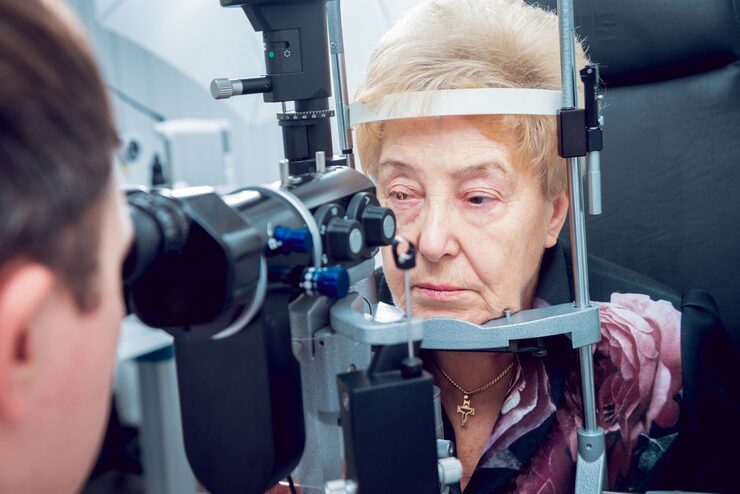
An elderly woman getting her eyes checked by a doctor
Care at Prakash Hospital Noida
At Prakash Hospital Noida, our ophthalmologists provide comprehensive eye care including routine eye examinations, refractive error evaluation, cataract surgery, glaucoma management, diabetic retinopathy screening, dry eye treatment, and management of various other eye conditions. Coordination with diabetologists and physicians is available for systemic conditions affecting the eyes.
Whether you live in Sector 18, Sector 62, Greater Noida West, or anywhere nearby, Prakash Hospital Noida is a trusted name for ophthalmology and eye care in Noida.
To book a consultation, call the number.
A practical takeaway
Most common eye problems are preventable, treatable, or both. Regular eye examinations catch many conditions before symptoms develop.
The basics matter: protective eyewear, no smoking, healthy diet, controlled diabetes and blood pressure, sensible screen habits, sun protection, and prompt treatment of symptoms.
Get an eye exam every 1 to 2 years even if your vision feels fine. Annual exams if you have diabetes, glaucoma family history, or are over 60. Get checked promptly for any sudden vision changes, pain, or other concerning symptoms.
The eyes work hard for decades. A small amount of attention, consistently applied, helps them keep working well throughout life.
We offer expert care across key specialties, including Medicine, Cardiology, Orthopaedics, ENT, Gynaecology, and more—delivering trusted treatment under one roof.
PAC stands for pre-anaesthetic check-up. See what the anaesthetist checks, which tests are done, fasting and medicine rules, and ASA grades before surgery.