


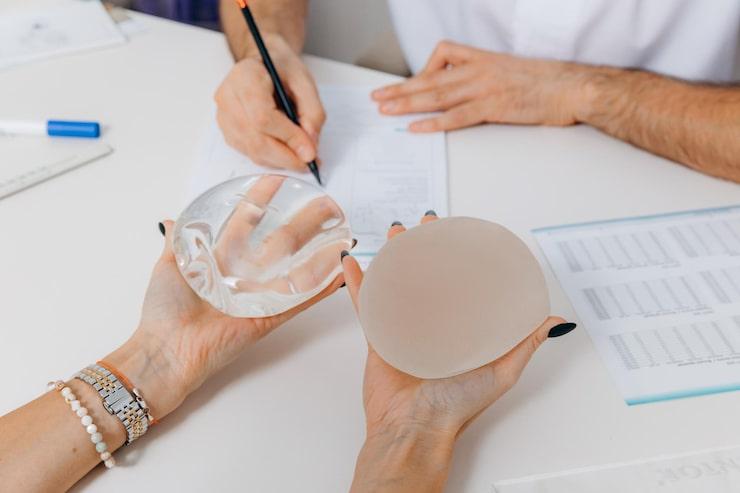
Understanding Problems Around Silicone Implants: Causes, Symptoms, and Treatment at Prakash Hospital, Noida
Learn all about understanding problems around silicone implants from experts in Prakash Hospital, Noida.
20 Oct 2025
by Prakash Hospital
by By Prakash Hospital

A PAC reviews your history, examination and tests so the anaesthesia plan suits your health.
PAC stands for pre-anaesthetic check-up (also called pre-anaesthesia evaluation). It is a medical assessment by an anaesthetist before any surgery or procedure that needs anaesthesia. The anaesthetist reviews your medical history, examines you, looks at blood tests, ECG and other reports, grades your risk, plans the type of anaesthesia and tells you how to prepare, including when to stop eating and which medicines to continue.
The goal is to make surgery safer and avoid last-minute cancellations. This guide explains what happens at a PAC, which tests are commonly done and why, how doctors grade risk, the fasting and medicine rules, and how to prepare so your surgery goes ahead smoothly.
The anaesthetist will ask about:
Described below.
The anaesthetist assigns an ASA grade, chooses between general, spinal, regional or local anaesthesia (with or without sedation), and explains the risks and the plan after surgery, including pain control.
You will be told how long to fast, which medicines to take or skip on the day, and what to expect. You sign consent for anaesthesia.
The tests ordered depend on your age, health and the type of surgery. A young, healthy person having minor surgery may need very few. Here is a typical list and why each is done.
| Test | Why it is done | |---|---| | Complete blood count (haemoglobin, WBC, platelets) | Detects anaemia, infection and low platelets that could cause bleeding | | Blood sugar (and HbA1c in diabetics) | Poor control raises risks of infection and poor healing | | Kidney function (urea, creatinine, electrolytes) | Affects drug choice and fluid management | | Liver function tests | When liver disease, jaundice or heavy alcohol use is suspected | | Coagulation tests (PT/INR, aPTT) | If you take blood thinners, have liver disease, a bleeding tendency or the surgery carries high bleeding risk | | Blood group and cross-match | When blood loss is expected | | ECG | For people with heart disease risk factors, age above about 40 to 50, or major surgery | | Chest X-ray | For lung or heart disease, smokers, older patients, or chest or major surgery | | Urine routine | Screens for infection, sugar, protein | | Viral markers (HIV, HBsAg, HCV) | Safety of staff and patients; many hospitals require them | | Echocardiography | For known or suspected heart disease, murmurs, breathlessness or before high-risk surgery | | Thyroid function | When thyroid disease is suspected | | Pulmonary function test | For significant lung disease before major surgery | | Pregnancy test | For women of reproductive age, when relevant | | Sleep apnoea screening | If snoring, daytime sleepiness and high BMI suggest it |
More tests, such as stress test, carotid ultrasound, cardiology consultation or coronary angiography, are done only for specific high-risk situations.
There is no single required set. Over-testing without need can lead to extra anxiety and delay, and under-testing may miss problems. The anaesthetist and surgeon decide together.
The American Society of Anesthesiologists (ASA) classification summarises your health before surgery. It does not directly predict outcomes but helps communicate risk.
| ASA class | Description | Example | |---|---|---| | I | Healthy person | Non-smoker, no illnesses | | II | Mild systemic disease without limitation | Well-controlled diabetes or hypertension, smoker, obesity, pregnancy | | III | Severe systemic disease with limitation | Poorly controlled diabetes, COPD, stable heart disease, kidney disease | | IV | Severe disease that is a constant threat to life | Recent heart attack, unstable angina, severe valve disease | | V | Moribund, not expected to survive without the operation | Ruptured aneurysm | | VI | Brain-dead organ donor | |
An "E" is added for emergency surgery. ASA I or II patients generally have lower anaesthetic risk than III and above, but most people with ASA III have surgery safely after optimisation.
Fasting empties the stomach, lowering the risk of stomach contents entering the lungs during anaesthesia (aspiration). Commonly followed guidelines for healthy adults (from anaesthesiology societies) are:
| What | Minimum fasting time | |---|---| | Clear liquids (water, clear juice without pulp, black tea or coffee without milk) | 2 hours | | Breast milk (infants) | 4 hours | | Infant formula, non-human milk | 6 hours | | Light meal (toast, tea with milk) | 6 hours | | Fried, fatty food or meat | 8 hours |
Your hospital may give a slightly different instruction (for example, "nothing by mouth after midnight") for convenience, especially for morning surgeries. Follow the instructions you are given. Fasting too long is uncomfortable and can cause dehydration, low blood sugar and headaches. Ask whether you may sip clear fluids up to two hours before, and tell the team if you've eaten or drunk anything by mistake, since surgery may need to be delayed. Chewing gum, paan and tobacco count as intake.
Diabetics and children need special instructions, and surgery is best scheduled early in the day.
Never stop or start medicines on your own. The anaesthetist or surgeon will advise. General patterns:
| Medicine | Usual advice | |---|---| | Blood pressure tablets (such as beta-blockers, amlodipine) | Usually continue, including on the morning of surgery with a sip of water | | ACE inhibitors and ARBs | Sometimes held on the morning of surgery; follow instructions | | Diuretics | Often skipped on the morning of surgery | | Diabetes tablets | Metformin is often held on the day of surgery; SGLT2 inhibitors are stopped for a few days before (risk of ketoacidosis); others as advised | | Insulin | Dose is adjusted; follow instructions | | Blood thinners (warfarin, apixaban, rivaroxaban, clopidogrel, aspirin) | Management depends on why you take them. Do not stop on your own, especially after stents; the team will give a plan | | Asthma and COPD inhalers | Continue, and bring them | | Thyroid medicines | Continue | | Anti-epileptics | Continue | | Antidepressants and psychiatric medicines | Usually continue | | Herbal supplements, fish oil, vitamin E, ginkgo, garlic and ginseng | Often stopped a week or two before, because some affect bleeding | | Steroids | Continue; you may need extra cover on the day |
Bring all medicines, or a list, to the PAC.
A short delay to put things right is much safer than rushing.
Pre-anaesthetic check-up.
Yes, for any surgery under anaesthesia. It is a standard safety step.
Commonly a blood count, sugar, kidney tests, ECG and chest X-ray, plus others depending on your health, age and the type of surgery.
Usually within days to a few weeks before surgery, depending on hospital policy and your health. It is repeated if your condition changes.
Typically 6 to 8 hours for solid food and 2 hours for clear fluids, but follow your hospital's instructions.
Many, such as blood pressure and thyroid tablets, are continued. Others, such as diabetes tablets and blood thinners, need specific instructions. Ask at the PAC.
No. It means closer planning. Many people with ASA III have surgery safely.
See the anaesthetist or your surgeon if, after the PAC, you develop fever, cough, chest pain, breathlessness, a new rash or any change in health, or if you are unsure about fasting or medicines. Do not stop blood thinners on your own.
Whether you live in Sector 18, Sector 62, Greater Noida West, or anywhere nearby, Prakash Hospital Noida is a trusted name for surgery and anaesthesia care in Noida. Our anaesthesia team reviews your health carefully before surgery and gives clear instructions so that your procedure is as safe and comfortable as possible.
To book a consultation, call the number.
Sources: American Society of Anesthesiologists practice guidelines for preoperative fasting and ASA Physical Status Classification System. Hospital protocols vary; follow your team's instructions.
Tags: #PACTest #PreAnaestheticCheckup #PrakashHospitalNoida

An X-ray dye test that maps blockages in the heart's arteries and guides the choice between medicines, stents and surgery.
Replaces a knee worn out by arthritis with a metal and plastic joint to relieve pain and get you walking again.
Blocks or removes the fallopian tubes for permanent contraception, usually as day-care keyhole surgery.
Free tools to check your weight, plan a pregnancy, track calories and more.
We offer expert care across key specialties, including Medicine, Cardiology, Orthopaedics, ENT, Gynaecology, and more—delivering trusted treatment under one roof.
Learn all about understanding problems around silicone implants from experts in Prakash Hospital, Noida.
20 Oct 2025
by Prakash Hospital

How to improve digestion naturally with Indian diet, lifestyle changes, and traditional remedies. Guide from Prakash Hospital Noida.
18 Aug 2026
by Prakash Hospital

Get a complete breastfeeding guide for new mothers with expert advice from doctors at Prakash Hospital, Noida.
28 Oct 2025
by Prakash Hospital

Yoga asanas for lower back pain that are evidence-backed, safe, and practical for Indian practitioners. Prakash Hospital Noida.
27 Aug 2026
by Prakash Hospital

स्लिप डिस्क क्या होती है, इसके कारण, लक्षण, जांच और बिना सर्जरी इलाज के विकल्प हिंदी में जानें।
28 Jan 2026
by Prakash Hospital

बच्चों में फ्लैट फुट क्यों होता है? जानिए इसके कारण, लक्षण, जांच, एक्सरसाइज और इलाज के विकल्प। सही समय पर उपचार से भविष्य की समस्याओं से बचें।
26 Feb 2026
by Prakash Hospital


Book a consultation with Prakash Hospital's specialists — 24/7 emergency care, 100+ doctors, NABH accredited.
View All Departments