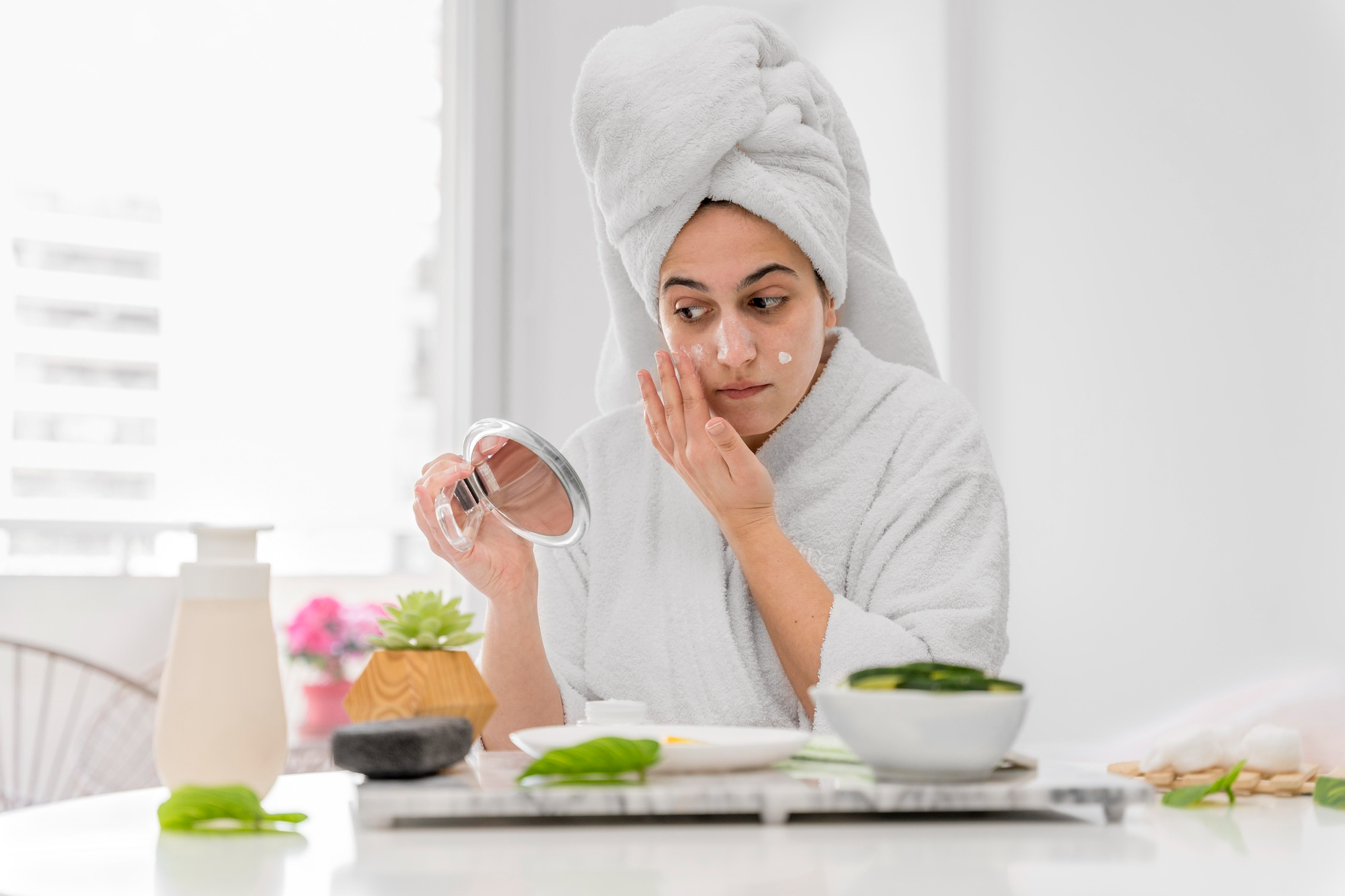
Woman closely looking at her face to check skin pigmentation concerns.
Face pigmentation is a skin issue that many people face, no matter their age or skin type. It shows up as dark spots, uneven skin or marks on the face, potentially impacts an individual's confidence regarding their appearance. Usually, it poses no threat, but it might suggest things like overexposure to the sun, hormone imbalances or skin irritation.
Knowing what causes it, what kind it is and how to handle face pigmentation can really help in taking care of it and keeping it from coming back.
What is Face Pigmentation?
Face pigmentation develops when skin synthesizes too much melanin, which is what gives skin its color. When there's too much melanin or it's not spread evenly, dark spots can show up on the face.
It can show up slowly or immediately and the intensity can change based on the root problem and an individual's skin type.
Types of Face Pigmentation
Melasma
Melasma looks like brown or gray spots, usually on the cheeks, forehead, nose and above the lip. It's often linked to hormone changes during pregnancy, birth control pills or hormone issues.
Sun spots
These are also called age spots or liver spots. They're caused by being in the sun too much. They usually show up in areas that get a lot of sun, like the face and hands.
Post-inflammatory hyperpigmentation
This type shows up after skin gets hurt or irritated, like from acne, burns, eczema or beauty treatments.
Freckles
Freckles are small brown spots that get darker when in the sun. They're more common in people with light skin.
Dark circles
Dark skin around the eyes can happen because of genes, not enough sleep, being dehydrated or looking at screens too much.
Common Causes of Face Pigmentation
Sun Exposure
Sun rays cause skin to make more melanin, which makes sun exposure a top cause of face pigmentation.
Hormone Changes
Changes in hormones during pregnancy, menopause, thyroid issues or PCOS can cause pigmentation.
Genes
Some people are more likely to get pigmentation because of their genes and it might show up earlier in life.
Skin Irritation and Acne
Acne, rashes or skin injuries can leave dark marks after they heal.
Wrong Skin Care
Using strong products, scrubbing too often or using steroid creams without asking a doctor can make pigmentation worse.
As people age, their skin doesn't renew as fast, which can make dark spots look more obvious.
Certain medicines
Some medicines can make skin more sensitive to sunlight, which can cause pigmentation.
Symptoms of Face Pigmentation
Dark spots on the face
Uneven skin color
Darkness around the eyes, mouth, or cheeks
Pigmentation that gets worse when in the sun
How to Diagnose Face Pigmentation
A skin doctor can usually tell what kind of pigmentation it is by looking at it. Sometimes, they might need to know more about your health history or look at your skin closely to figure out if there are hormonal or health reasons behind it.
They might suggest blood tests if they think there's a hormone problem or a lack of certain nutrients.
How to Treat Face Pigmentation
How it's treated depends on what kind it is, what's causing it and how bad it is.
Creams
Doctors might give you creams with things in them that slow down melanin production and help skin renew. You have to use these treatments regularly and with a doctor's help.
Chemical peels
These remove the top layer of skin, which can help fade pigmentation and even out skin color.
Laser
Lasers can target extra melanin and can work well for stubborn pigmentation. You might need a few sessions depending on how bad it is.
Pills
Sometimes, doctors might suggest pills to take care of hormone or internal causes.
Sun Protection
Using sunscreen every day is key for treating and keeping pigmentation from getting worse.
Tips for Taking Care of Face Pigmentation at Home
Use gentle skin care products
Stay away from strong scrubs and use gentle cleansers that are right for your skin type.
Use sunscreen often
Put on sunscreen every day, even when you're inside or it's cloudy.
Don't pick or scratch your skin
Touching acne or pigmented areas can make marks worse and take longer to heal.
Stay hydrated
Drinking enough water helps keep skin healthy and helps it heal.
Eat well
Eating a mix of antioxidants, vitamins and minerals helps skin repair itself and lowers the risk of pigmentation.
Don't self-medicate yourself
Using creams without a doctor's advice can make pigmentation worse and hurt your skin.
How to Keep Face Pigmentation From Happening
Stay out of the sun
Wear hats, sunglasses and clothes that cover your skin when you're outside.
Keep hormones balanced
See a doctor for hormone issues.
Treat acne early
Taking care of acne the right way can keep pigmentation from happening later.
Woman using facial serum to help treat acne and improve skin condition.
Take care of your skin
Using the right products regularly helps keep skin tone even.
When to See a Doctor
See a doctor if pigmentation is spreading fast, changing color or not getting better with basic skin care. They can make sure you get the right treatment and also rule out any health problems.
Share this blog:
Share:
Copy Link
Consult our skin and hair specialists
This article covers skin and hair concerns. These Prakash Hospital doctors in Noida treat them.
We offer expert care across key specialties, including Medicine, Cardiology, Orthopaedics, ENT, Gynaecology, and more—delivering trusted treatment under one roof.
Skin pigmentation — understand the causes of dark patches, types of pigmentation, and effective treatments. Visit Prakash Hospital Noida for dermatology care.
Struggling with hormonal acne? Prakash Hospital's skin and hormone specialists in Noida explain why it happens, what triggers it, and the treatments that actually work.
Best protein rich foods in India — vegetarian and non-vegetarian sources, daily requirements, and how to eat enough protein on an Indian diet. Prakash Hospital Noida.
How to stop hair fall — understand the real causes, effective treatments, and prevention strategies. Visit Prakash Hospital Noida for trichology consultation.