



Mouth Ulcer Home Remedies That Actually Work
Mouth ulcer home remedies that genuinely help, from saltwater rinses to honey, turmeric, and more. Visit Prakash Hospital Noida for persistent ulcers.
27 May 2026
by Prakash Hospital
by Prakash Hospital

Woman feeling nauseous and about to vomit due to digestive discomfort.
Food poisoning is one of the most common medical complaints in India — and one of the most frequently managed incorrectly. Most cases resolve on their own within 24 to 48 hours with rest and hydration. But a minority are serious enough to require medical attention, and the difference isn't always obvious from the first few hours of symptoms.
In India, the combination of hot weather (which accelerates bacterial growth in food), open-air food stalls, variable food storage practices, and water contamination means that food poisoning is a year-round risk — higher in summer and the post-monsoon period when temperatures remain high.
Food poisoning — more accurately called foodborne illness — occurs when you eat food or drink water contaminated with:
Bacteria: Salmonella, E. coli, Staphylococcus aureus, Campylobacter, Listeria, Vibrio cholerae (cholera). The most common cause overall.
Bacterial toxins: Some bacteria produce toxins in food before it's eaten. Staphylococcal toxin in improperly stored food causes illness within 1–6 hours. The toxin itself, not live bacteria, is the cause — so cooking doesn't always help, because heat destroys bacteria but not all toxins.
Viruses: Norovirus and hepatitis A. Norovirus is highly contagious and spreads through contaminated food, water, or surfaces. Hepatitis A specifically affects the liver and has a longer incubation period (2–6 weeks) compared to bacterial food poisoning.
Parasites: Giardia, Cryptosporidium, Entamoeba histolytica (amoeba). More common causes of prolonged diarrhoea and abdominal discomfort, particularly from contaminated water. Amoebiasis is common in India and can cause dysentery (bloody diarrhoea).
Natural toxins: Certain mushrooms, some types of fish (pufferfish, certain reef fish), undercooked kidney beans, and some plants contain natural toxins. These are less common but can be severe.
The onset time after eating is one of the clues to what might be causing the illness:
| Onset After Eating | Likely Cause | |---|---| | 30 minutes to 6 hours | Staphylococcal toxin, Bacillus cereus toxin | | 6 to 24 hours | Clostridium perfringens, some Bacillus cereus | | 1 to 3 days | Salmonella, E. coli, Campylobacter, Vibrio | | 3 to 7 days | E. coli O157:H7, Listeria | | 2 to 6 weeks | Hepatitis A, Listeria in high-risk groups |
Very rapid onset (within an hour of eating) points strongly to a preformed toxin rather than live bacterial infection.
Nausea: one of the earliest symptoms. An unsettled, queasy feeling that may come in waves.
Vomiting: the body's attempt to expel the contaminated food. Can be forceful and repeated in the early hours. Vomiting that resolves within 12 hours, with improving symptoms, is a good prognostic sign.
Diarrhoea: loose or watery stools. The most common symptom of food poisoning. Can range from a few loose stools to very frequent, large-volume watery diarrhoea. The primary concern with diarrhoea is dehydration.
Abdominal cramps and pain: cramping discomfort in the abdomen, often coming in waves. Generally most prominent around bowel movements.
Fever: often present, particularly with bacterial infections. Temperature of 38–39°C is common. High fever above 39.5°C with food poisoning symptoms is a red flag.
Headache and body ache: common accompaniments, particularly with bacterial causes.
Weakness and fatigue: the combination of fever, vomiting, and diarrhoea causes significant physical depletion.
Bloody diarrhoea (dysentery): blood or mucus in the stool indicates intestinal inflammation. This is more concerning than watery diarrhoea alone and warrants medical assessment. It's associated with Salmonella, E. coli O157:H7, Shigella, and Entamoeba histolytica (amoeba).
The primary risk from food poisoning is dehydration — from fluid lost through vomiting and diarrhoea not being adequately replaced. Dehydration can become dangerous, particularly in young children, the elderly, and people with existing health conditions.

Person showing signs of dehydration.
Mild dehydration:
Moderate dehydration:
Severe dehydration — requires immediate medical care:
Go to a doctor or emergency room if:
Replacing fluid and electrolytes lost through vomiting and diarrhoea.
ORS (Oral Rehydration Solution): available at every pharmacy in India. The WHO-formulated ORS (sachets) is the most effective rehydration solution available — better than plain water because it contains the correct sodium-glucose ratio that optimises intestinal absorption. Mix one sachet in one litre of boiled and cooled water.
Drinking pattern: small, frequent sips rather than large amounts at once. If vomiting, try a teaspoon or tablespoon every few minutes. Large amounts trigger the vomiting reflex.
Coconut water: natural electrolytes — potassium, sodium, magnesium. An excellent supplement to ORS in mild cases.
Rice water (kanji/maand): the starchy water from boiling rice. Mild on the stomach, provides some calories, and has mild anti-diarrhoeal properties. A traditional and practical first-line food in Indian households.
Avoid: milk (can worsen diarrhoea if lactose intolerance is temporarily worsened by gut inflammation), fruit juices high in fructose, alcohol, and sugary drinks.
For the first 12–24 hours, stick to very plain, easily digestible foods if hunger returns:
Avoid spicy food, fatty food, fried food, dairy in large amounts, and high-fibre foods until fully recovered.
Do not take antibiotics without medical advice. Most food poisoning is viral or self-limiting bacterial — antibiotics don't help and can worsen some types (certain E. coli infections, for example, are made more dangerous by antibiotics). Antibiotics are prescribed for specific bacterial causes (Salmonella, Shigella, Campylobacter, amoebiasis) based on stool culture or clinical assessment.
Probiotics: Saccharomyces boulardii and Lactobacillus rhamnosus GG have evidence for shortening the duration of diarrhoea. OTC probiotic capsules (available in Indian pharmacies) are reasonable adjuncts.
Anti-diarrhoeal medications like loperamide (Lopamide): generally not recommended for infectious diarrhoea — diarrhoea is the body's mechanism for expelling the pathogen, and slowing it down can prolong the infection. Occasionally used for very disruptive watery diarrhoea in adults without fever or blood in stool. Not for children, never with bloody diarrhoea, and always after ruling out severe infection.
Zinc supplementation: in children under 5, zinc supplementation (10–20 mg daily for 10–14 days) during diarrhoeal illness is recommended by the WHO and National Health Mission guidelines in India — it reduces the severity and duration.
Understanding where contamination commonly comes from helps with prevention:
Street food: improperly stored chutneys, cut fruit exposed to flies, reheated food that has been kept at room temperature for hours, ice made from unpurified water.
Restaurants: improper food storage, cross-contamination between raw and cooked food, inadequate cooking temperature, infected food handlers.
Home cooking: improperly stored cooked food (leaving rice, dal, or sabzi at room temperature for hours in summer), reheated food that hasn't been heated throughout, raw salads washed in contaminated water, undercooked chicken or eggs.
Water: tap water in areas without reliable chlorination, borewell water, water from tankers, ice cubes of unknown origin.
Dairy: unpasteurised milk, khoya of uncertain origin, improperly stored paneer, curd made from unboiled milk.
At Prakash Hospital Noida, our physicians evaluate food poisoning and gastrointestinal illness — including stool examination for bacteria and parasites, blood tests where indicated, and IV rehydration for cases with significant dehydration. Children, elderly patients, and people with existing health conditions who develop food poisoning are assessed promptly.
Whether you live in Sector 18, Sector 62, Greater Noida West, or anywhere in the NCR, Prakash Hospital Noida is a trusted name for gastroenterology, fever and infection care, and general medicine in Noida.

Removes uterine fibroids and repairs the womb, easing heavy bleeding and pressure while keeping pregnancy possible.
Removes a gallbladder with stones through four small cuts, usually with a stay of one night or less.
Removes part or all of the thyroid for a goitre, a suspicious nodule or an overactive gland.
Free tools to check your weight, plan a pregnancy, track calories and more.
We offer expert care across key specialties, including Medicine, Cardiology, Orthopaedics, ENT, Gynaecology, and more—delivering trusted treatment under one roof.
Mouth ulcer home remedies that genuinely help, from saltwater rinses to honey, turmeric, and more. Visit Prakash Hospital Noida for persistent ulcers.
27 May 2026
by Prakash Hospital
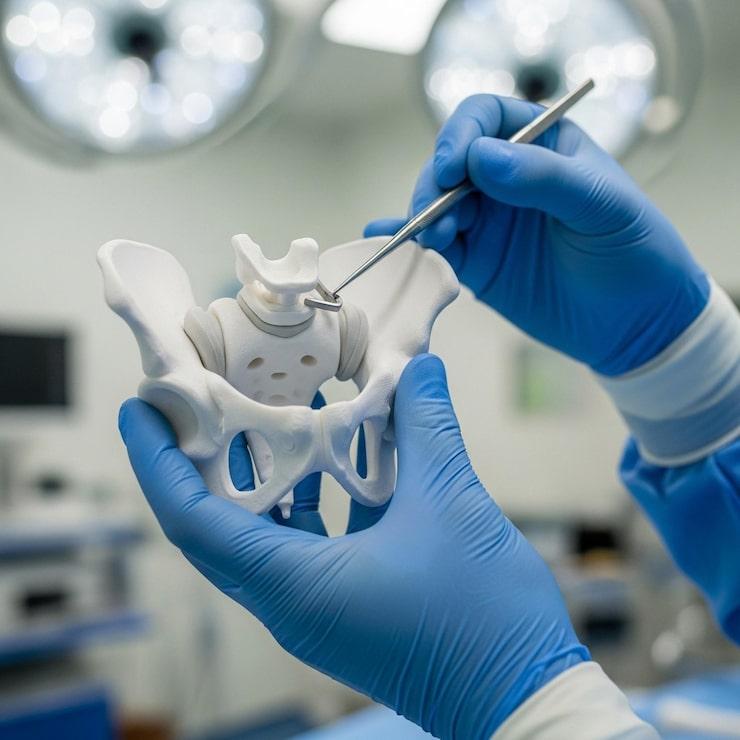
Learn about the ins and outs of hip replacement surgery with the guidance of expert advice from Prakash Hospital, Noida.
17 Sept 2025
by Prakash Hospital

Learn expert-backed tips to maintain a healthy menstrual cycle, reduce cramps, balance hormones, and support reproductive wellness. Get personalised gynecological care at Prakash Hospital.
10 Dec 2025
by Prakash Hospital

Know the early signs of a stroke, the BE-FAST check, what to do first and why minutes matter. Causes, risk factors and prevention. Prakash Hospital Noida.
22 Oct 2026
by Prakash Hospital

Why you can't focus and what helps: sleep, food, exercise, distraction control, medical causes and habits for sharper concentration. Prakash Hospital Noida.
9 Oct 2026
by Prakash Hospital

Brain-training apps rarely transfer to real life. Build focus with single-tasking, fewer interruptions, breath practice, exercise, sleep and a 4-week plan.
12 Oct 2026
by Prakash Hospital


Book a consultation with Prakash Hospital's specialists — 24/7 emergency care, 100+ doctors, NABH accredited.
View All Departments