


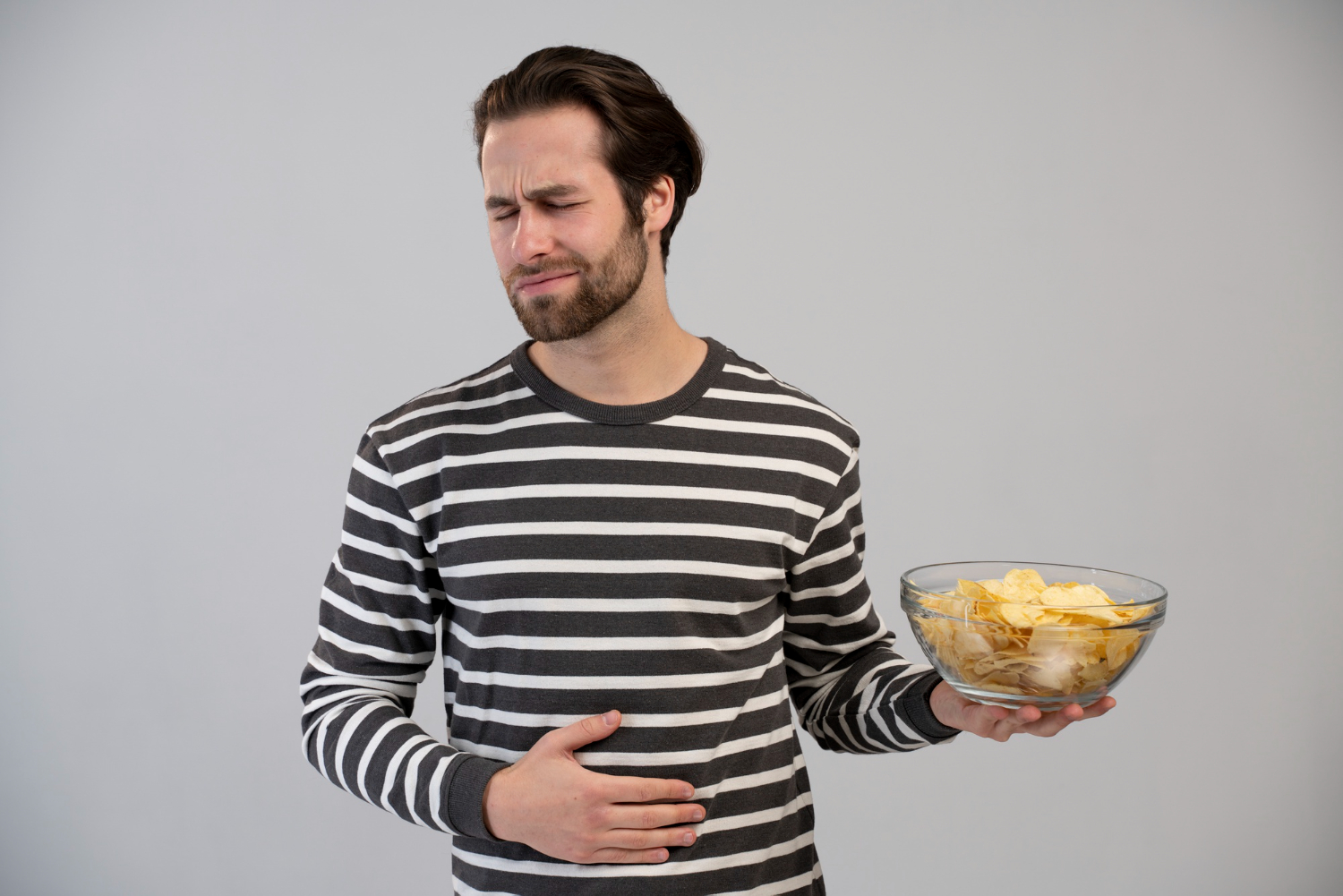
How to Lose Belly Fat After 40: What Actually Changes and What to Do
Belly fat after 40 is different and needs a different approach. Hormones, muscle loss, and metabolism — explained. Prakash Hospital Noida.
7 Aug 2026
by Prakash Hospital
by Prakash Hospital
Gallbladder wall thickening refers to an increase in the thickness of the gallbladder wall beyond the normal range. While it is often a benign condition, in some cases, it may be an early sign of gallbladder cancer. This blog discusses the causes, symptoms, risk factors, and treatment options.

Gallbladder wall thickening can signal inflammation or, in rare cases, early gallbladder cancer. Early diagnosis is crucial for effective treatment.
Normally, the gallbladder wall measures less than 3–4 mm. Thickening beyond this can result from several conditions, including:

Wall thickness over 3–4 mm may point to inflammation, infection, or other gallbladder disorders.
Though common in many non-cancerous conditions, certain factors increase the likelihood of gallbladder cancer:
Symptoms may be vague in early stages but can include:
Diagnosis involves imaging and blood tests to determine the cause and severity:
Treatment depends on the underlying cause:
Benign Conditions: Often treated with cholecystectomy (gallbladder removal)
Suspicious or Confirmed Cancer: Requires more aggressive treatment, including:
Gallbladder wall thickening should not be ignored, especially if symptoms persist or worsen. While not always linked to cancer, early evaluation and timely treatment are critical to improving outcomes. If you notice symptoms like persistent abdominal pain or jaundice, consult a healthcare provider for proper assessment.

Treats wounds that won't heal, from diabetic foot ulcers to bedsores, with debridement, dressings and pressure relief.
Removes large or prolapsing piles that haven't settled with diet, medicines or banding.
Removes a gallbladder with stones through four small cuts, usually with a stay of one night or less.
Free tools to check your weight, plan a pregnancy, track calories and more.
We offer expert care across key specialties, including Medicine, Cardiology, Orthopaedics, ENT, Gynaecology, and more—delivering trusted treatment under one roof.
Belly fat after 40 is different and needs a different approach. Hormones, muscle loss, and metabolism — explained. Prakash Hospital Noida.
7 Aug 2026
by Prakash Hospital

अच्छी नींद क्यों जरूरी है, नींद की कमी से होने वाली स्वास्थ्य समस्याएं और बेहतर नींद के आसान उपाय हिंदी में जानें।
2 Feb 2026
by Prakash Hospital

Learn about laser hair removal procedure, benefits, safety, side effects, preparation, aftercare, and who is the right candidate for treatment.
28 Jan 2026
by Prakash Hospital
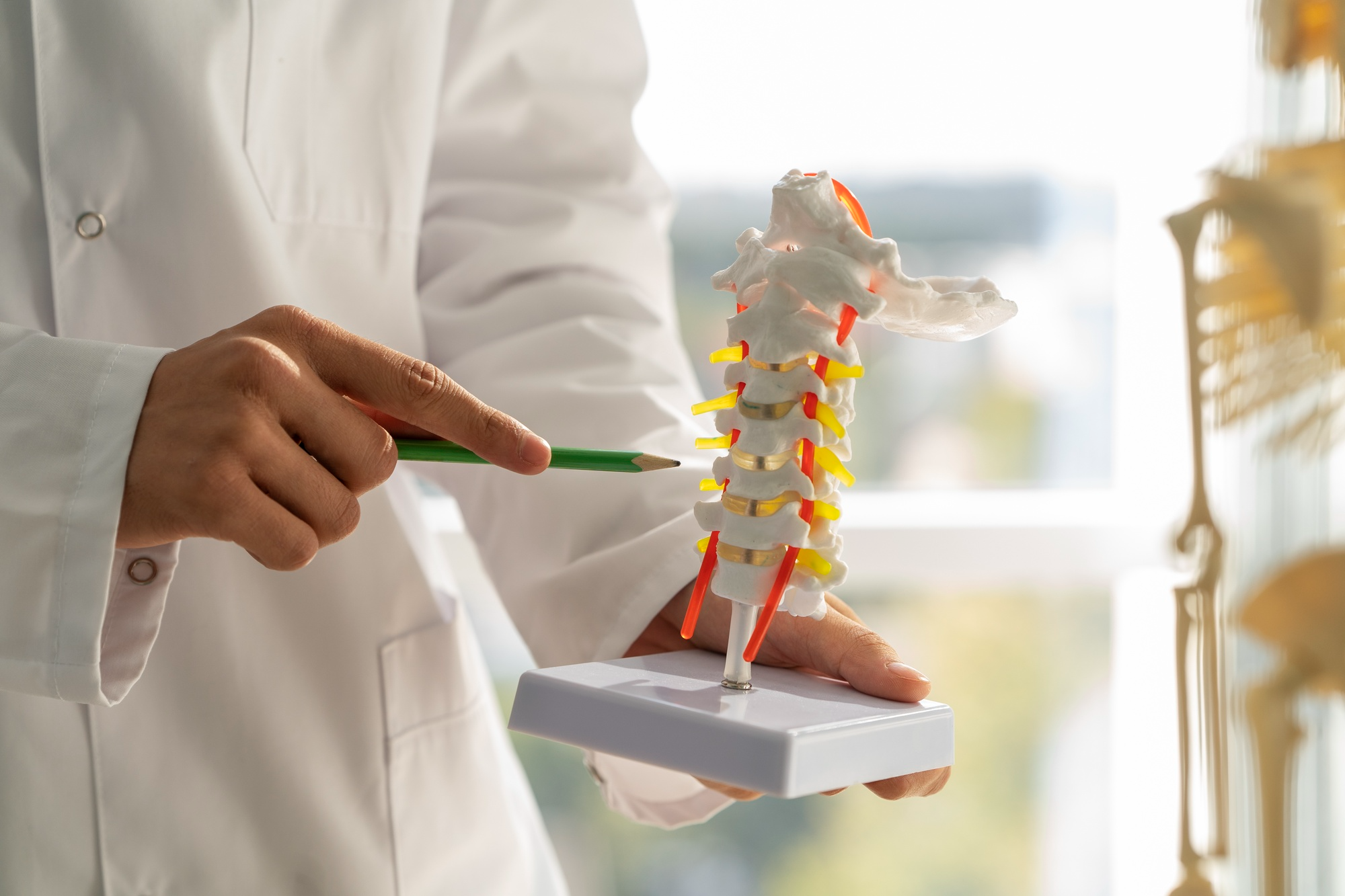
Support fracture recovery with essential nutrients like calcium, vitamin D, and protein for faster bone healing.
19 Nov 2025
by Prakash Hospital

जानिए फूड पॉइजनिंग क्या है, इसके लक्षण क्या होते हैं, इलाज कैसे किया जाता है और इससे बचने के आसान तरीके।
26 Mar 2026
by Prakash Hospital

Best protein rich foods in India — vegetarian and non-vegetarian sources, daily requirements, and how to eat enough protein on an Indian diet. Prakash Hospital Noida.
18 Aug 2026
by Prakash Hospital


Book a consultation with Prakash Hospital's specialists — 24/7 emergency care, 100+ doctors, NABH accredited.
View All Departments