


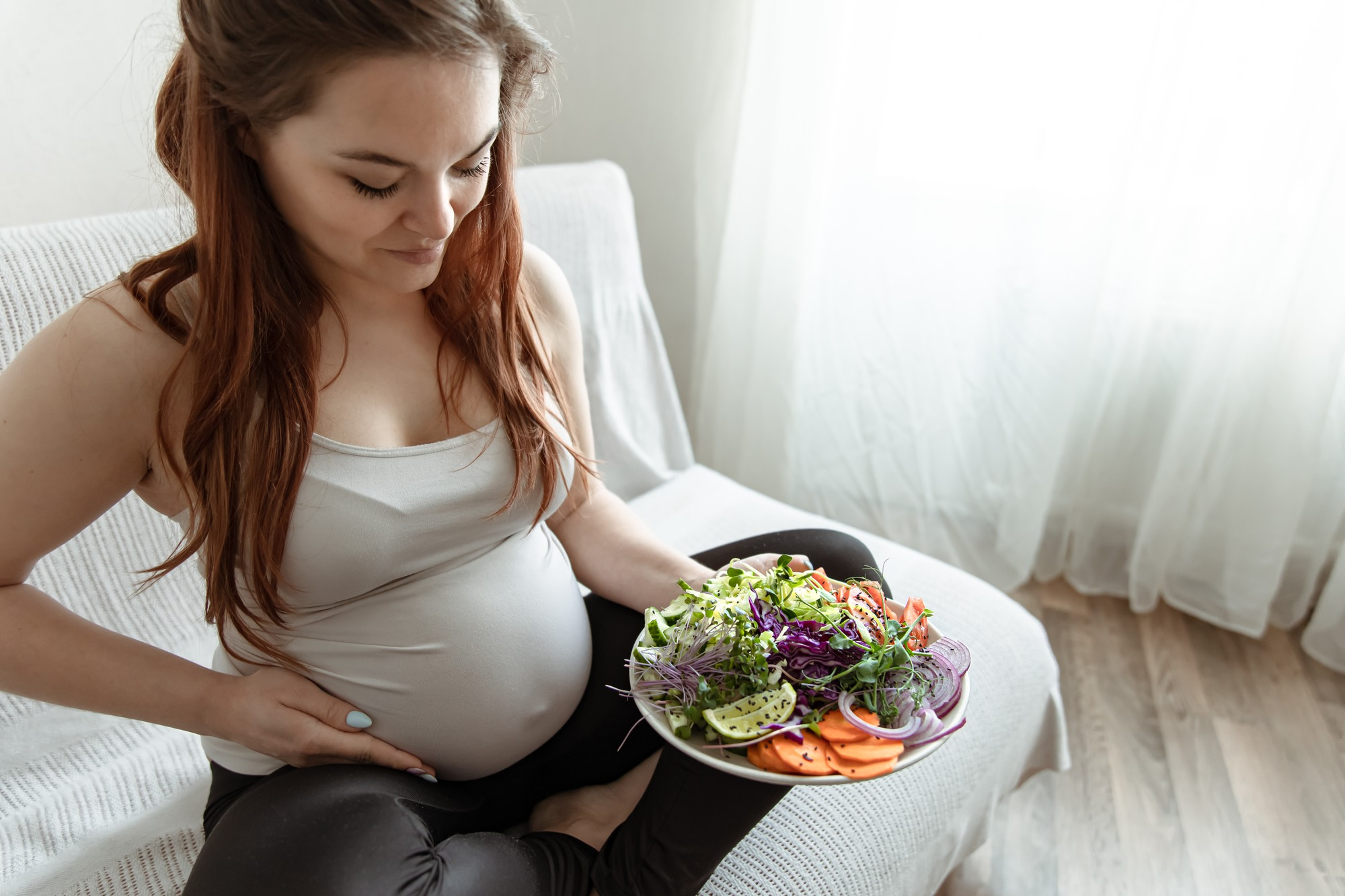
Nutrition During Pregnancy: Best Foods to Eat & Avoid for a Healthy Baby
Learn what to eat and avoid during pregnancy with expert-approved nutrition tips for a healthy mother and baby.
25 Nov 2025
by Prakash Hospital
by Prakash Hospital

Someone planning meals and tracking what they eat, fruits, veggies, and nutrition charts.
Most people want to eat healthily but get stuck on the "what does that actually look like on a plate?" question. The advice to "eat more vegetables and less processed food" is correct but vague. What does breakfast look like? What is a good mid-morning snack? How much should lunch contain? When should dinner happen?
This article gives a complete, practical diet chart for Indian families. Not a complicated meal-by-meal prescription, but a clear framework that adapts to busy lives, vegetarian and non-vegetarian preferences, and the realities of Indian cooking.
The goal is a chart you can actually follow.
Before getting to specific meals, three principles guide the chart:
Variety — different foods across the day and the week to cover all nutrients.
Balance — every meal includes vegetables or fruit, a grain, a protein, and a small amount of healthy fat.
Moderation — appropriate portions, neither too little nor too much.
A healthy diet chart is not a strict prescription. It is a framework. Adapt it to your appetite, schedule, regional cuisine, and individual needs.
Start with warm water, plain or with a slice of lemon. This rehydrates the body after sleep.
Optional additions:
This early-morning intake is small but useful, especially for people who work out in the morning.
This is the most important meal for setting the metabolic tone of the day. It should be protein-rich, contain some complex carbohydrate, include a fruit or vegetable, and have a small amount of healthy fat.
Vegetarian options:
Non-vegetarian additions:
Quantity guide for adults:
A small snack that prevents energy crashes and reduces overeating at lunch.
Good options:
Quantity — small. The point is to bridge to lunch, not to be a meal.
The main meal of the day. Should be the largest meal in terms of portion. Build it like a plate — half vegetables and salad, one-quarter whole grain, one-quarter protein.
Vegetarian plate:
Non-vegetarian plate (similar structure, with):
Cooking notes:
Helps avoid evening hunger and overeating at dinner.
Good options:
Quantity — moderate. Enough to satisfy without spoiling dinner appetite.
Should be lighter than lunch and ideally finished at least 2 to 3 hours before bed.
Options:
Avoid:
Only if needed:
Not necessary for everyone. Sleep on an empty stomach is fine if you ate adequately at dinner.
Breakfast: Vegetable oats with almonds. Banana. Glass of milk.
Mid-morning: Apple.
Lunch: Moong dal, two mixed-grain rotis, palak paneer, cucumber-tomato salad, curd.
Snack: Roasted chana with lemon. Tea (light, without sugar).
Dinner: Vegetable khichdi with curd. Salad.
Breakfast: Two eggs scrambled with onion and tomato. Whole-grain toast. Orange.
Mid-morning: Buttermilk.
Lunch: Chana dal, one roti, lauki sabzi, sprouted moong salad, rice (small portion).
Snack: Handful of nuts and dates.
Dinner: Mixed vegetable soup. Two small rotis. Curd.
Breakfast: Moong dal chilla with mint chutney. Guava. Buttermilk.
Mid-morning: Pomegranate.
Lunch: Masoor dal, two rotis, mixed vegetable sabzi, salad with bell peppers, raita.
Snack: Vegetable soup with whole-grain crackers.
Dinner: Paneer bhurji with whole-grain roti. Cucumber salad.
Breakfast: Vegetable upma with peanuts. Banana. Milk.
Mid-morning: Sprouted chana with lemon.
Lunch: Rajma, one roti, brown rice, salad, curd.
Snack: Fruit chaat.
Dinner: Grilled fish or paneer with vegetables. Small portion of brown rice.
Breakfast: Vegetable paratha with curd. Apple.
Mid-morning: Coconut water and a handful of almonds.
Lunch: Mixed dal, two rotis, methi sabzi, salad, buttermilk.
Snack: Roasted makhana with green tea.
Dinner: Khichdi with vegetables. Curd.
Breakfast: Idli with sambar and coconut chutney. Orange.
Mid-morning: Pomegranate.
Lunch: Black chana, two rotis, bhindi, salad, raita.
Snack: Handful of mixed nuts.
Dinner: Vegetable pulao (small portion) with raita and salad.
Breakfast: Aloo paratha (small) with curd. Fruit bowl.
Mid-morning: Buttermilk.
Lunch: Family-style meal — dal, rice, two vegetables, salad, sweet (small portion).
Snack: Tea with one small healthy biscuit.
Dinner: Light soup with grilled chicken or paneer. Salad.
Beyond meals, water and other healthy beverages matter:
8 to 10 glasses of water spread through the day. More in summer, more with physical activity.

Woman drinking water for hydration.
Coconut water occasionally for natural electrolytes.
Buttermilk with lunch as a digestive aid.
Green tea as a mid-afternoon option.
Lemon water in the morning.
Limit — sugary drinks, packaged juices, excessive tea or coffee.
Ensure adequate protein at every meal through dals, paneer, eggs (if eaten), tofu, and nuts. Include vitamin B12 sources (fortified foods or supplements). Pair iron-rich foods with vitamin C sources.
Plan more carefully — fortified plant milks, B12 supplements, varied protein sources, attention to iron, calcium, and omega-3.
Increase calories by 300 to 500 per day in second and third trimesters. More iron, folate, calcium, and protein. Smaller frequent meals if nausea is an issue.
Use lactose-free milk, plant milks (preferably fortified), and limited dairy. Maintain calcium intake from other sources like sesame seeds, ragi, leafy greens, and supplements if needed.
Plan dabba lunches the night before. Keep healthy snacks at the office. Limit canteen and restaurant meals. Hydrate consistently.
Skipping breakfast. Sets up overeating later and disrupts metabolism.
Late dinner. Affects sleep and metabolism.
Tea or coffee with meals. Reduces iron absorption.
Only one type of dal repeatedly. Limits nutrient variety.
Vegetables in small token amounts. Half the plate should be vegetables.
Crash diets that eliminate food groups entirely. Unsustainable and often unhealthy.
Following fad diets without medical guidance. Keto, intermittent fasting, and others have specific applications, not universal benefits.
Eating mindlessly while distracted. Leads to overeating and poor digestion.
Drinking too much water with meals. Dilutes digestive juices. Drink between meals primarily.
"A diet chart must be the same daily." Variety is important. Repeat structure but vary foods.
"Eating less means losing weight." Eating right matters more than eating less.
"Indian food is unhealthy." Traditional Indian cooking is mostly healthy. Modern adaptations have made it less so.
"Curd is bad at night." No scientific basis. Curd is fine at any meal for most people.
"Mixing fruits with dairy is harmful." No evidence for this. Smoothies and fruit raita are fine.
"Eating ghee causes heart disease." Moderate ghee in an otherwise healthy diet is fine. Recent research is friendlier to ghee than older guidance.
"Bananas cause weight gain." Bananas in moderation are fine for everyone except those with specific medical concerns.
A consultation makes sense when you have specific health goals, when standard advice has not worked, when you have a medical condition affecting eating, or when you want a personalised plan.
A dietician's plan is tailored to your body, lifestyle, preferences, and goals, and adjusts as your situation changes.
Office workers and families in Noida often struggle to maintain a balanced eating pattern. Long commutes squeeze cooking time. Office canteens offer limited healthy options. Restaurant meals are frequent.
Practical adaptations include weekend meal prep, packing lunches, keeping fruits and nuts at the desk, planning menus weekly, and reserving home-cooked meals for as many meals as possible.
At Prakash Hospital, Noida, experienced doctors and dieticians provide personalised diet charts based on individual evaluation. The plans account for medical conditions, lifestyle, food preferences, and practical realities of daily life.
Whether you are in Sector 18, Sector 62, Greater Noida West, or anywhere nearby, Prakash Hospital Noida is a trusted name for nutrition consultation and family health.
A healthy diet chart is not a strict prescription. It is a framework that adapts to your life while keeping the fundamentals in place — variety, balance, moderation, and consistent attention to whole foods.
Indian families have a strong foundation in traditional cooking. The challenges come from modern pressures — convenience foods, restaurant meals, irregular schedules, and an abundance of processed options. Building a sustainable daily eating pattern protects against these pressures and supports long-term health.
Start with one or two meals built around the structure described in this article. Add more vegetables. Include protein at every meal. Choose whole grains. Stay hydrated. Eat earlier dinners. Build the pattern gradually.
The cumulative effect over weeks, months, and years is substantial. Better energy, easier weight management, stable mood, healthier blood values, and reduced disease risk all follow from consistent attention to the basics. There is no shortcut, but the basics genuinely work.

Anti-wrinkle injections and hyaluronic acid fillers that soften lines and restore facial volume, with no downtime.
A magnified check of the cervix after an abnormal Pap or HPV test, with a small biopsy if needed.
Removes part or all of the thyroid for a goitre, a suspicious nodule or an overactive gland.
Free tools to check your weight, plan a pregnancy, track calories and more.
We offer expert care across key specialties, including Medicine, Cardiology, Orthopaedics, ENT, Gynaecology, and more—delivering trusted treatment under one roof.
Learn what to eat and avoid during pregnancy with expert-approved nutrition tips for a healthy mother and baby.
25 Nov 2025
by Prakash Hospital
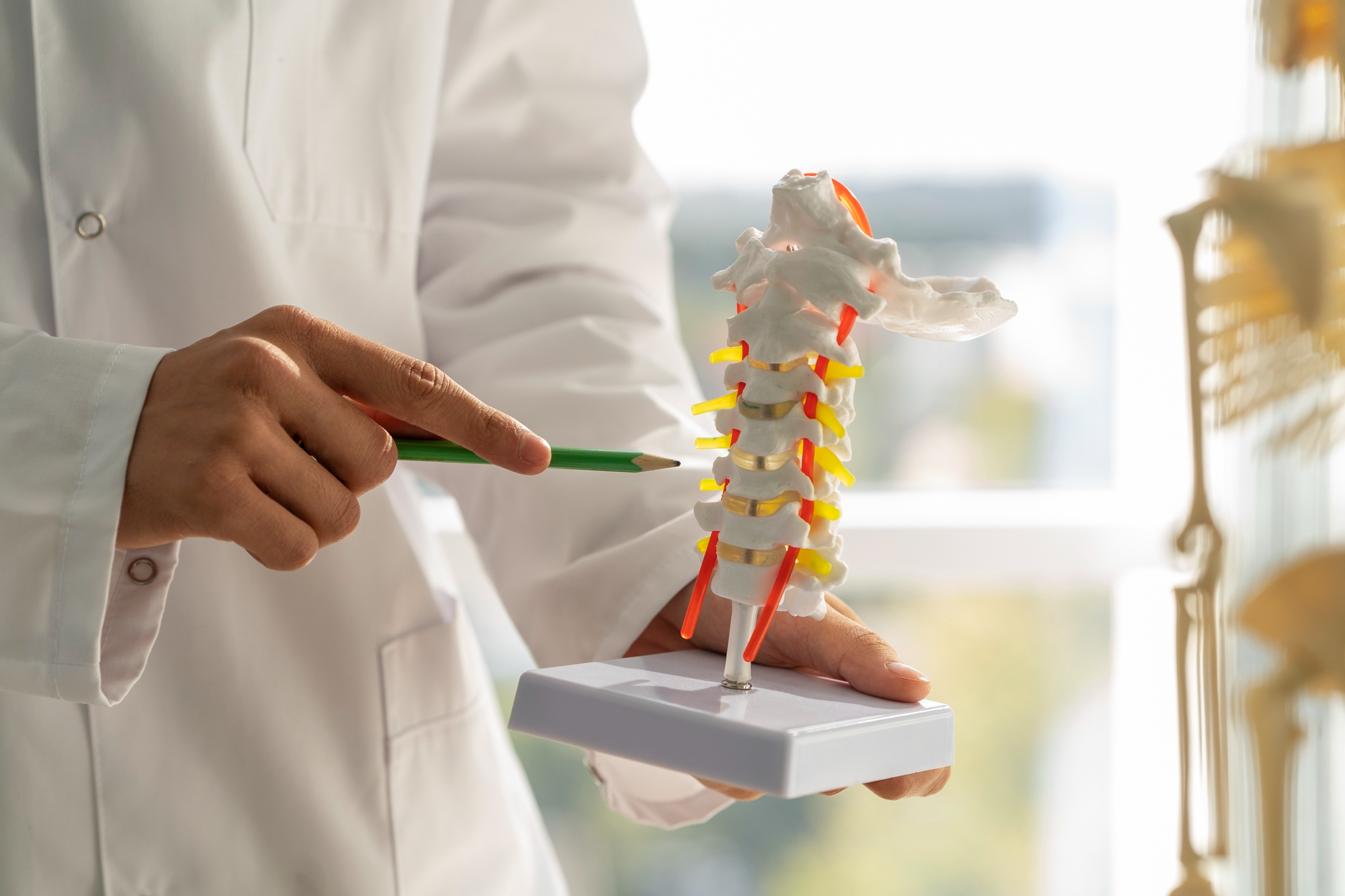
Support fracture recovery with essential nutrients like calcium, vitamin D, and protein for faster bone healing.
19 Nov 2025
by Prakash Hospital
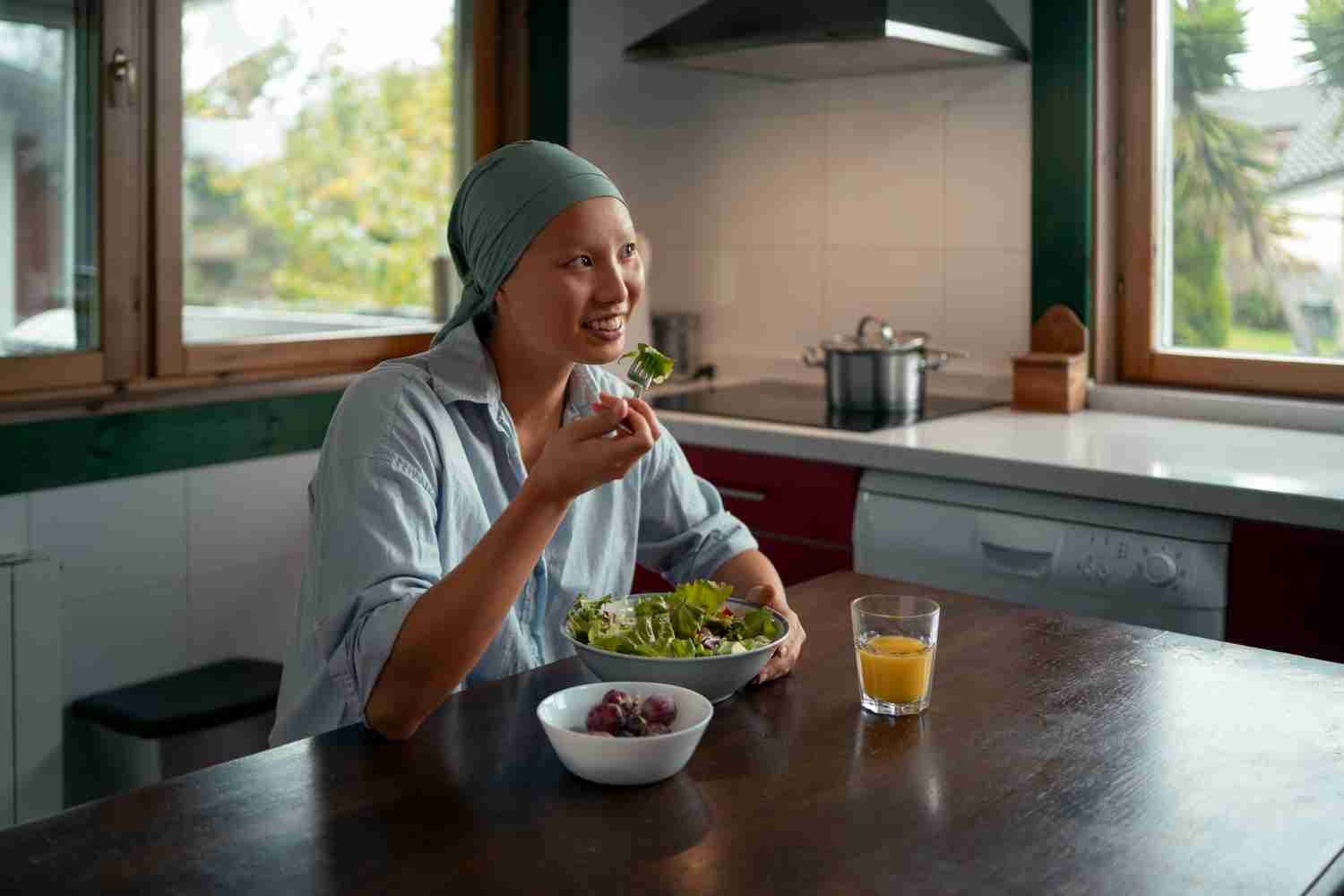
Discover expert-backed nutrition tips for cancer patients. Learn how to manage treatment side effects, stay hydrated, and eat for strength and recovery.
27 May 2025
by Prakash Hospital

Learn symptoms, risk factors, prevention tips and when to seek expert cardiac care in Noida.
25 Mar 2026
by Prakash Hospital

Learn what atherosclerosis is, how plaque builds up in arteries, its causes, symptoms, risk factors, and how to prevent heart attack and stroke
6 Mar 2026
by Prakash Hospital
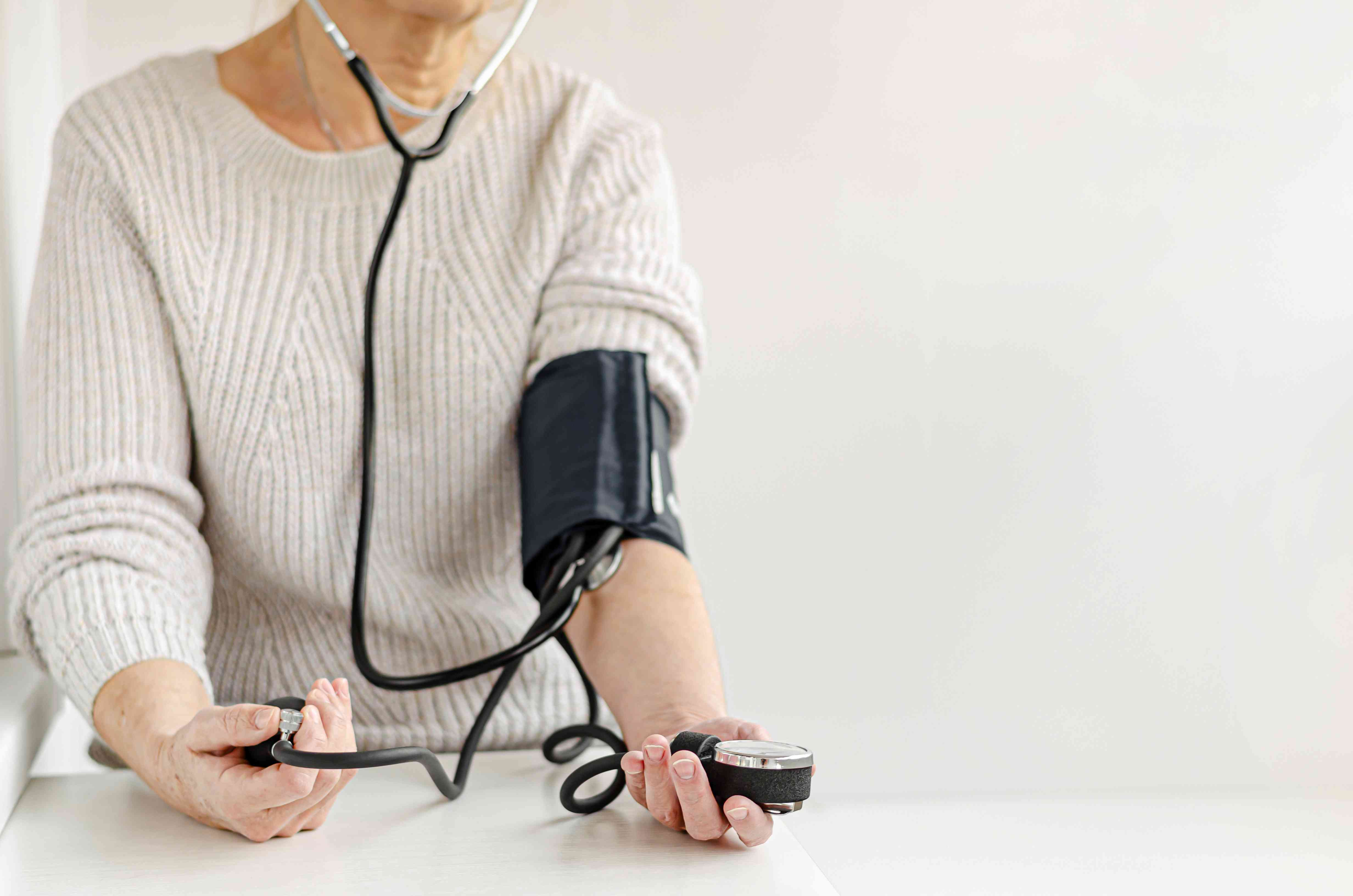
How to lower blood pressure naturally through diet, exercise, sleep and stress management. Evidence-based guide for Indians. Prakash Hospital Noida.
18 Aug 2026
by Prakash Hospital
Monsoon brings dengue, malaria, viral fever, and gut infections. Here's how to strengthen your immunity before and during the season. Prakash Hospital Noida.
18 Aug 2026
by Prakash Hospital
How to improve gut health naturally with Indian diet, probiotics, fibre, and lifestyle changes. Practical guide from Prakash Hospital Noida.
18 Aug 2026
by Prakash Hospital
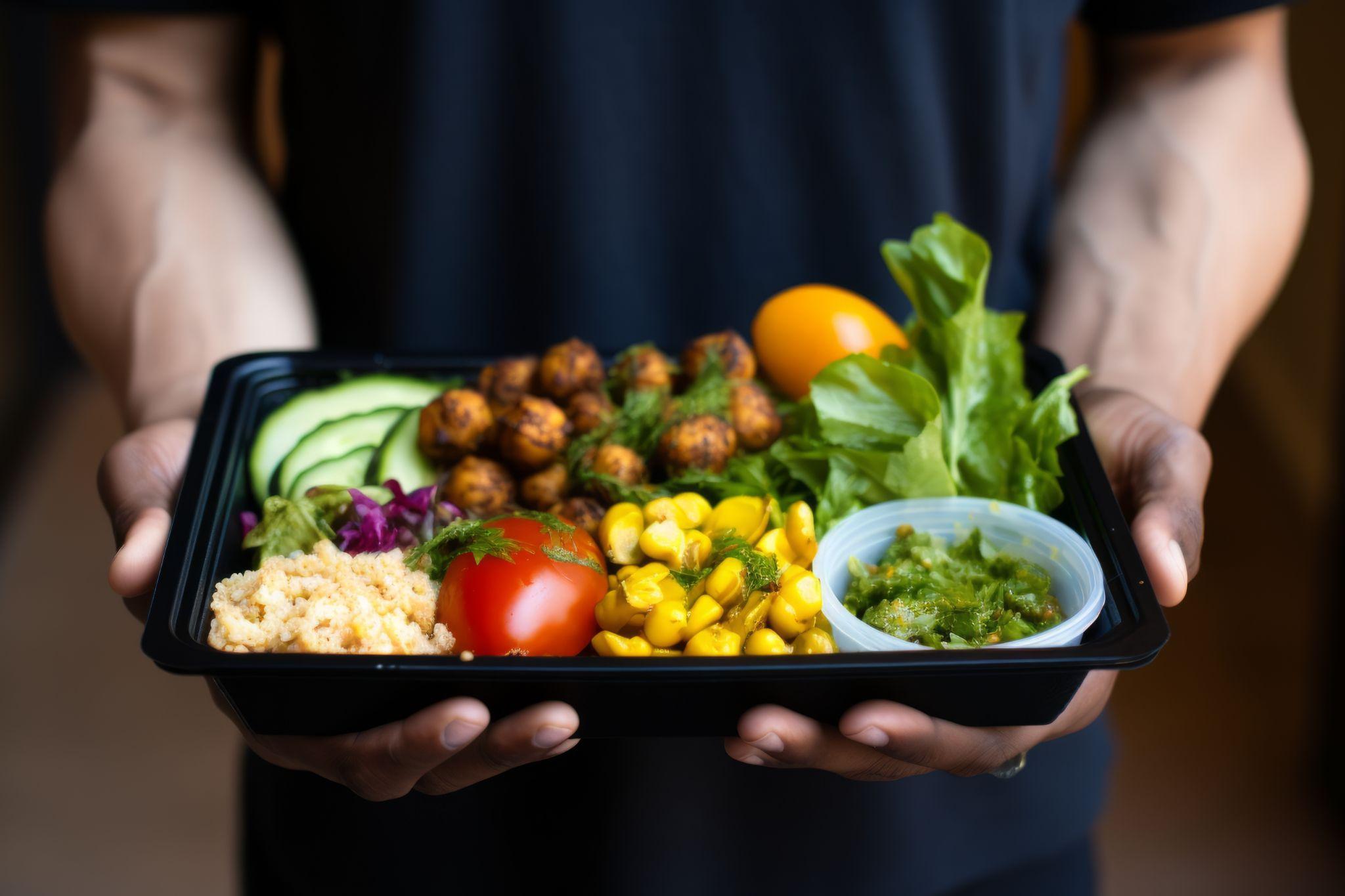
Immunity-boosting foods — the best Indian foods to strengthen your immune system naturally. Visit Prakash Hospital Noida for nutrition consultation.
3 Jul 2026
by Prakash Hospital


Book a consultation with Prakash Hospital's specialists — 24/7 emergency care, 100+ doctors, NABH accredited.
View All Departments