Heart Health for Women: What Every Woman Should Know
·by Prakash Hospital
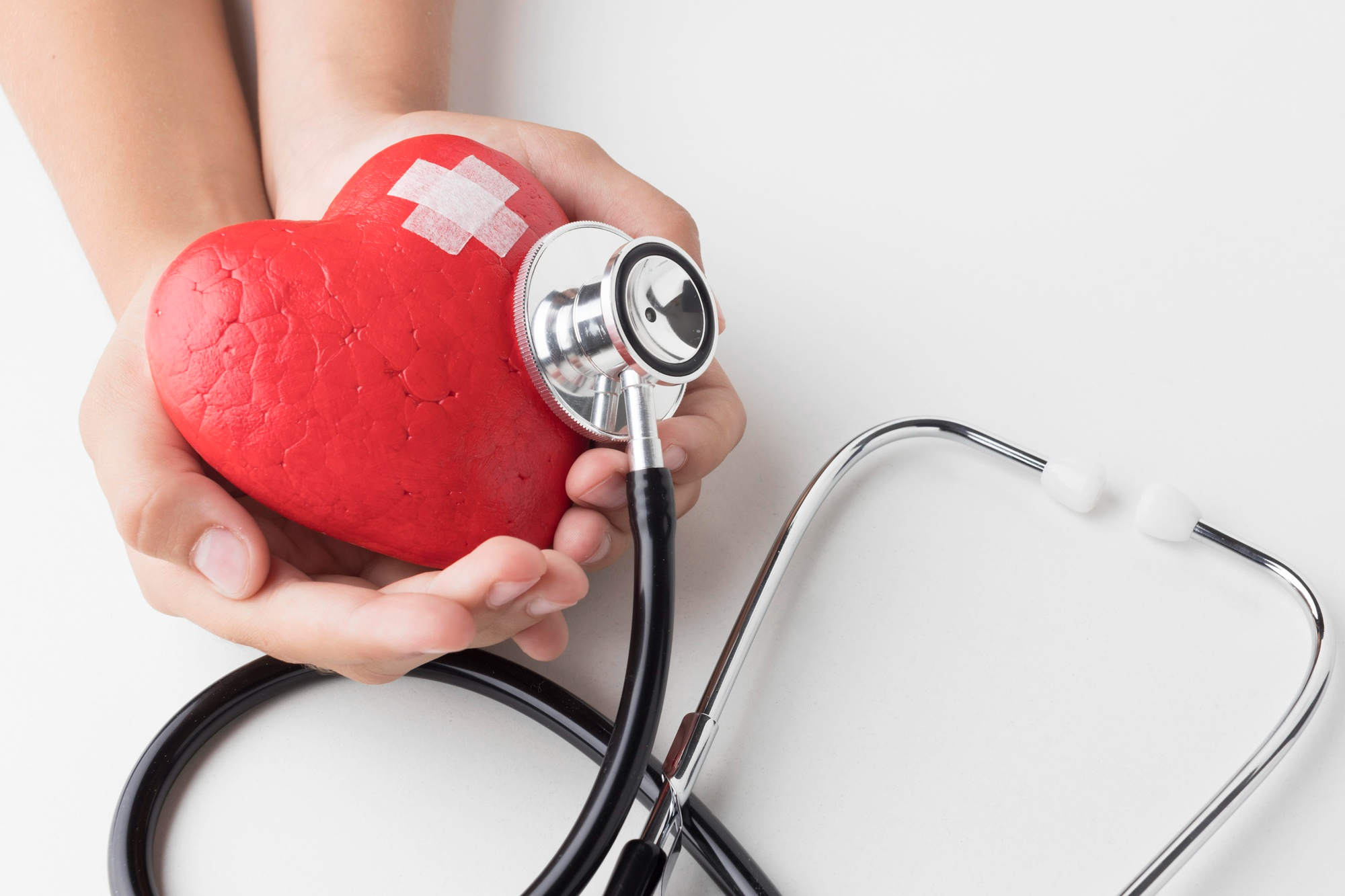
A red heart with a stethoscope.
The perception of heart disease among most people is as a men's health issue but the reality is that it is actually the number one killer in women, worldwide, even more so than cancer. Despite that reality, many women still underestimate their personal risk or overlook early warning signs.
Recognizing how heart disease affects women differently, knowing the symptoms, and making a few straightforward lifestyle modifications can save lives. Here's what every woman should know to take control of her heart health.
Why Heart Disease in Women Is Often Overlooked
Heart disease develops silently over years. For women, it often presents differently than in men, meaning it's frequently misdiagnosed or ignored until it becomes severe.
While men may suffer from the classic symptom of chest pain, women often have subtle or “atypical” symptoms, which include:
Short of breath
Fatigue or dizziness
Lower back, neck or jaw discomfort
Nausea or indigestion
Cold sweats
Because these symptoms can mimic other conditions, many women delay seeking care, sometimes with serious consequences.
Unique Risk Factors for Women
Women share many traditional risk factors for heart disease such as smoking, high cholesterol and diabetes but they also face gender-specific risks that are often unrecognized.
Hormonal Changes
Estrogen has protective effects on the heart but postmenopausal levels are lower, predisposing women to cardiovascular diseases.
Pregnancy-Related Disorders
Complications in pregnancy such as gestational diabetes, preeclampsia or high blood pressure elevate women's risk for heart disease in the long run.
Polycystic Ovary Syndrome (PCOS)
PCOS often results in insulin resistance and higher levels of cholesterol, both factors in cardiovascular diseases.
Autoimmune Diseases
Women have a higher incidence of conditions such as lupus and rheumatoid arthritis which can inflame blood vessels and increase heart risk.
Emotional Stress and Depression
Women are more susceptible to chronic stress and depression, both of which can have negative impacts on heart health by raising cortisol and blood pressure.
Warning Signs Women Should Never Ignore
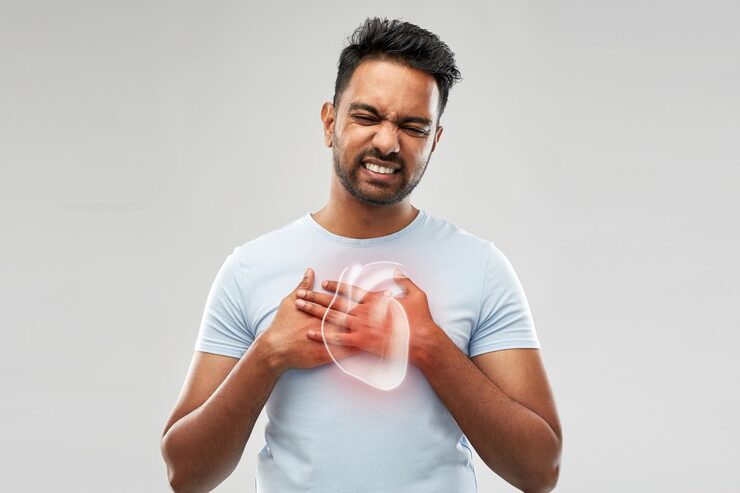
A woman clutching her chest in discomfort.
Heart attacks can look very different in women. You may not feel crushing chest pain, instead, you may have:
Pressure or tightness in the chest or upper abdomen
Shortness of breath, with or without exertion
Unusual fatigue, even after rest
Lightheadedness or fainting
Pain in the arm, jaw or upper back
If any of these sudden symptoms occur, get immediate emergency medical attention. Quick treatment can make a life saving difference.
Lifestyle as a Contributing Factor in Women’s Heart Health
As many as 80% of all heart disease events can be prevented by lifestyle changes. A woman can protect her heart by paying extra attention to the following:
Eat a Heart-Healthy Diet
Emphasize whole grains, fruits, vegetables, lean proteins and healthy fats such as olive oil and nuts. Limit foods that are processed, salty and sugary drinks. Add omega-3 fatty acids from fish or flaxseeds to maintain healthy cholesterol levels.
Stay Physically Active
Aim for at least 150 minutes of moderate-intensity exercise every week. Brisk walking, dancing and swimming all count. Exercise strengthens the heart, lowers blood pressure and helps improve mood.
Manage Stress
Chronic stress leads to or enhances inflammation and poor health behaviors related to overeating or smoking. Practice deep breathing, yoga or mindfulness.
Quit Smoking
Smoking is one of the most dangerous risk factors for women, especially those taking birth control pills. Quitting reduces your heart disease risk dramatically, no matter your age.
Get Enough Sleep
Lack of sleep increases blood pressure and stress hormones. Women should get 7-9 hours of good quality sleep every night.
Maintain a Healthy Weight
Even modest weight loss (5-10% of body weight) can improve cholesterol and blood sugar levels, lowering heart disease risk.
Regular Screenings: The Key to Prevention
Women should not wait until symptoms manifest as it is essential that they take heart health seriously. Regular health check-ups can help in the early detection of risk factors.
Ask your doctor about:
Blood pressure screening, at least once annually
Cholesterol check, every 4-6 years (or more often if elevated)
Blood sugar test, particularly after pregnancy or if overweight
Electrocardiogram (ECG) or stress test,if you have symptoms or family history
Early detection allows for effective lifestyle and medication management, long before major problems arise.
A woman getting her blood pressure checked by a doctor.
Heart Disease and Mental Health
Women often play multiple roles and emotional stress can silently affect heart health. Depression, anxiety and isolation have all been linked to higher rates of heart disease in women. It is equally important to take care of your mental health as it is to eat right or exercise. If you are persistently stressed or feeling emotionally drained, don't hesitate to seek help.
At Prakash Hospital
The cardiologists and preventive health specialists at Prakash Hospital understand the special needs related to the heart in women. We offer comprehensive screening, risk assessment and personalized care plans emphasizing prevention and early detection. Be it managing your risk factors such as high blood pressure, complications after pregnancy or menopause-related changes in your body, our experts will guide you toward lasting heart health and overall wellness.
Conclusion
Heart disease in women is preventable, manageable and treatable, but it's all about awareness. Women must take care of their own health, recognize the warning signs and take proactive steps toward prevention. Your heart is the strongest muscle in your body, treat it right.
Start small: move more, eat better, take care of stress and schedule your check-up. A healthy heart today means a stronger, more vibrant life tomorrow!
We offer expert care across key specialties, including Medicine, Cardiology, Orthopaedics, ENT, Gynaecology, and more—delivering trusted treatment under one roof.
Understand the critical difference between a heart attack and cardiac arrest, their symptoms, causes, emergency response steps, and treatment options. Learn when to seek urgent help from expert cardiologists at Prakash Hospital.
Low testosterone symptoms — fatigue, low libido, mood changes and more. Causes, when to get a morning blood test, and treatment. Prakash Hospital Noida.