


Hepatitis: Symptoms, Types, Prevention, and Vaccination
Learn about the different types of hepatitis, how they spread, common symptoms, prevention strategies, and the role of vaccines in protecting your liver
10 May 2025
by Prakash Hospital
by Prakash Hospital

Hepatitis vaccines kept together on a clean surface.
There are millions of hepatitis patients around the globe, yet many have no clue about the severity of this disease until experiencing its symptoms. Indeed, hepatitis refers to liver inflammation, which impacts its proper functioning since the liver is one of the most important organs responsible for detoxification, production of bile and ensuring digestion.
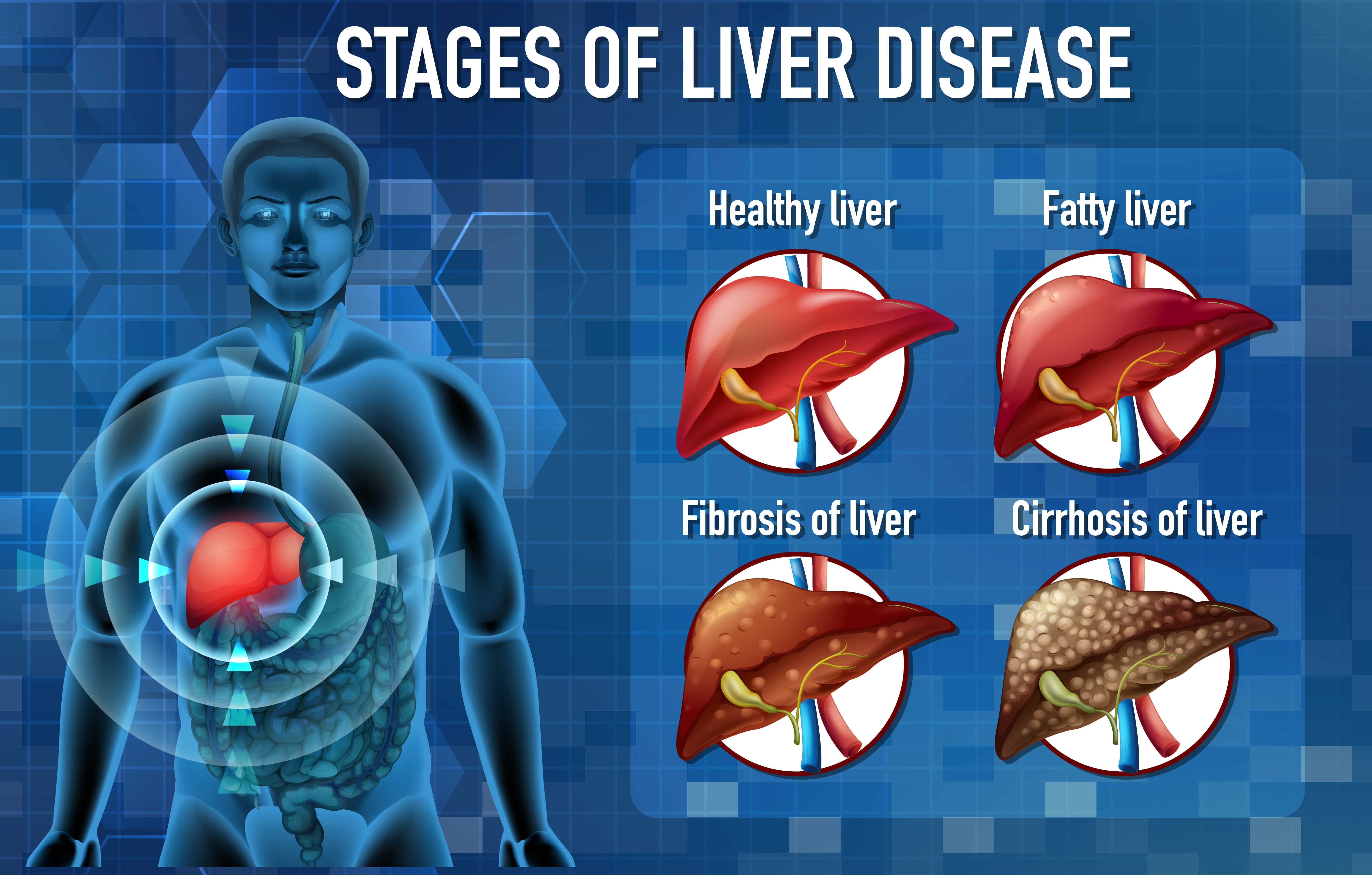
The disease may occur due to a virus or other reasons, including certain lifestyles or other illnesses. Some forms of hepatitis do not require any medical attention, while the other ones become chronic and can cause severe damage to the organ or even lead to its cirrhosis.
In this guide, you will learn all about hepatitis, its forms, causes, symptoms, treatment methods, and ways of prevention.
To begin with, hepatitis means inflammation of the liver. This affects its functioning, leading to various issues related to the malfunctioning of other organs.
The disease can be both acute and chronic depending on the causes and individual response of your body.
The main roles of the liver include:
When affected by hepatitis, these processes become difficult.
There is more than one type of hepatitis, which means that their causes, transmission mechanisms, and severity are different. This needs to be understood to treat each type appropriately.
A typical cause of this type of disease is the presence of a viral infection, which causes acute cases.
Features of this type are:
This is a serious disease that becomes chronic when the treatment is not provided properly. The transmission mechanism involves direct contact with body fluids.
Transmission occurs via:
The main way the transmission takes place is blood contact and results in a chronic infection. People rarely feel any symptoms for years.
Main features:
It occurs only when people have hepatitis B already.
Hepatitis E is a type that is similar to hepatitis A in nature and is acquired through polluted water.
This type is:
There are multiple causes of hepatitis besides virus infection. Knowing what the cause is allows choosing the right treatment strategy.
Possible causes include:
The symptoms of hepatitis may vary, depending on its type and stage. At times, the condition may show no symptoms at all or have a mild course.
Common symptoms of hepatitis are:
Chronic hepatitis can remain asymptomatic for several years.
Knowing how hepatitis spreads allows taking preventive measures, mainly in case of viral hepatitis.
Methods of transmission include:
Some factors may lead to higher susceptibility to hepatitis development.
At-risk population includes:
Without proper treatment, certain forms of hepatitis could cause various health conditions.
The following complications could occur:

A man holding his upper abdomen in discomfort, indicating possible liver pain or related health issue.
Proper diagnosis of the condition is necessary in order to provide proper treatment for hepatitis.
Ways to diagnose hepatitis include:
Treatment will vary depending on the type and severity of the condition. Certain forms of hepatitis may resolve on their own while other cases require long-term treatments.
Each kind of viral hepatitis will have different ways of being treated.
Treatment options include:
Your lifestyle habits are also an important aspect to consider when it comes to liver diseases.
This involves:
When a person has chronic hepatitis, he needs to monitor his condition constantly to avoid any future problems.
The best way of avoiding hepatitis is by taking certain precautions and prevention methods.
Some tips include:
One of the best methods to protect against hepatitis is vaccination.
There are vaccines against:
Currently, there is no vaccination available against hepatitis C.
Visiting a doctor is essential for early detection and prevention of complications from hepatitis.
Visit a specialist if you:
Hepatitis needs to be diagnosed and treated correctly, which will help avoid complications.
The liver diseases specialists at Prakash Hospital provide quality services in treating hepatitis.
Protect your liver health today.
Visit Prakash Hospital for expert consultation and accurate diagnosis.
Hepatitis is inflammation of the liver, often caused by viral infections, alcohol, or other factors.
Hepatitis B and C are considered more serious because they can become chronic and lead to complications.
Some types like hepatitis A and E resolve on their own, while others like B and C can be managed or treated with medication.
It spreads through contaminated food, water, blood, or body fluids, depending on the type.
Yes, viral hepatitis (A, B, C, etc.) can be contagious.
Acute hepatitis (like A and E) often resolves without treatment, but chronic forms require medical care.
Vaccination, hygiene, safe practices, and avoiding contaminated food or water are key preventive steps.

This article covers gastroenterology concerns. These Prakash Hospital doctors in Noida treat them.

Dr. Syed Uzair Yawar
Consultant Gastroenterologist
Gastroenterologist · Hepatologist · Therapeutic Endoscopist

Dr. Rohit Singh
Consultant GI/HPB surgery
GI/HPB Surgery · Liver Transplant · Gastrointestinal Surgery
A camera test of the food pipe, stomach and duodenum for acidity, ulcers, bleeding and swallowing problems.
A thin needle sample of liver tissue to diagnose liver disease and measure scarring when other tests can't.
A camera test of the large bowel that investigates bleeding or bowel changes and removes polyps early.
Free tools to check your weight, plan a pregnancy, track calories and more.
We offer expert care across key specialties, including Medicine, Cardiology, Orthopaedics, ENT, Gynaecology, and more—delivering trusted treatment under one roof.
Learn about the different types of hepatitis, how they spread, common symptoms, prevention strategies, and the role of vaccines in protecting your liver
10 May 2025
by Prakash Hospital

Detailed guide on gut health, gut microbiome imbalance, symptoms of poor gut health and scientifically proven ways to improve digestive health.
19 Feb 2026
by Prakash Hospital
लिवर सिरोसिस के लक्षण, कारण, स्टेज और इलाज जानें। पीलिया, पेट में सूजन और थकान को नजरअंदाज न करें। Prakash Hospital में पाएं एडवांस लिवर केयर और गैस्ट्रोएंटरोलॉजी उपचार।
12 Jun 2026
by Prakash Hospital

How to get rid of gas and bloating fast — practical Indian remedies, dietary changes, and when to see a doctor. Prakash Hospital Noida.
16 Sept 2026
by Prakash Hospital

Why you feel bloated after eating — common Indian food triggers, medical causes, and what helps. Prakash Hospital Noida.
16 Sept 2026
by Prakash Hospital

एसिडिटी और गैस क्यों होती है, इसके लक्षण क्या हैं और इससे राहत पाने के घरेलू व मेडिकल उपाय हिंदी में जानें।
21 Jan 2026
by Prakash Hospital

What is fatty liver disease, its causes in Indians, warning signs, and how to reverse it with diet and lifestyle. Prakash Hospital Noida.
5 Aug 2026
by Prakash Hospital

पेट की खराब सेहत से जुड़ी समस्याएं जैसे गैस, एसिडिटी, कब्ज़ और IBS क्यों होती हैं? जानिए इनके कारण, लक्षण और सही इलाज के उपाय Prakash Hospital।
13 Jan 2026
by Prakash Hospital

How to improve gut health naturally with Indian diet, probiotics, fibre, and lifestyle changes. Practical guide from Prakash Hospital Noida.
18 Aug 2026
by Prakash Hospital


Book a consultation with Prakash Hospital's specialists — 24/7 emergency care, 100+ doctors, NABH accredited.
View All Departments