A woman standing in sunlight with eyes closed, symbolizing natural vitamin D and immune health.
Immunity products have been one of the most aggressively marketed health categories since the pandemic. Immunity shots, chyawanprash with exotic additives, multicoloured vitamin packs, probiotic drinks. Most of this is marketing built on a real concern: people want to get sick less often, recover faster, and feel more resilient.
The honest answer is that the immune system is not a single thing you can "boost" in a simple way. It's a complex network of cells, proteins, and organs that work together, and the balance is at least as important as the strength. An overactive immune system produces allergies and autoimmune disease. An underactive one produces frequent infections.
What you can do — reliably, without expensive products — is remove the things that suppress immune function and build the habits that support it.
What Actually Weakens Immunity
Before the positive interventions, the suppressors are worth knowing, because removing them matters more than adding supplements:
Chronic sleep deprivation is probably the most powerful immune suppressor in everyday life. During sleep, the body produces cytokines (immune signalling proteins) and consolidates immune memory. People sleeping fewer than six hours are significantly more susceptible to respiratory infections. One well-designed study had volunteers intentionally exposed to a cold virus — those who slept fewer than six hours were four times more likely to develop a cold than those sleeping seven or more hours.
Chronic stress suppresses immune function through sustained cortisol elevation. Cortisol is anti-inflammatory by design (it prevents the immune response from overshooting), but chronically elevated, it impairs the body's ability to mount an effective response to actual infection. This is why people frequently get sick after a period of high stress resolves — the immune suppression lifts suddenly and infection takes hold.
Poor nutrition — specifically deficiency of vitamin C, vitamin D, zinc, iron, and protein — impairs multiple immune pathways. These deficiencies are common in India and genuinely reduce immune competence.
Sedentary lifestyle: physical inactivity is associated with higher infection rates and less effective immune response.
Smoking: directly damages immune cells in the respiratory tract, the first line of defence against airborne pathogens.
Excess alcohol: suppresses nearly every aspect of immune function.
Obesity: chronic inflammation from excess adipose tissue impairs the immune system's ability to distinguish between harmful invaders and normal tissue.
What Actually Strengthens Immunity
1. Sleep
Seven to nine hours consistently. This is the single most impactful intervention for immune function available. During adequate sleep:
Natural killer cells (which eliminate infected and cancerous cells) are regenerated
Immune memory is consolidated
Cytokine production is maintained
Inflammatory response is regulated
Improving sleep is more impactful for infection resistance than any supplement.
2. Regular moderate exercise
Regular moderate aerobic exercise consistently shows improved immune function: better antibody response to vaccination, lower rates of respiratory infection, better natural killer cell activity. The effect is well-documented and the dose is modest — 30 minutes of moderate exercise (brisk walking, cycling, swimming) five days a week.
Importantly: very intense or prolonged exercise (marathon-level training without adequate recovery) temporarily suppresses immune function. Moderate is the operative word.
3. Diet: specific nutrients that matter
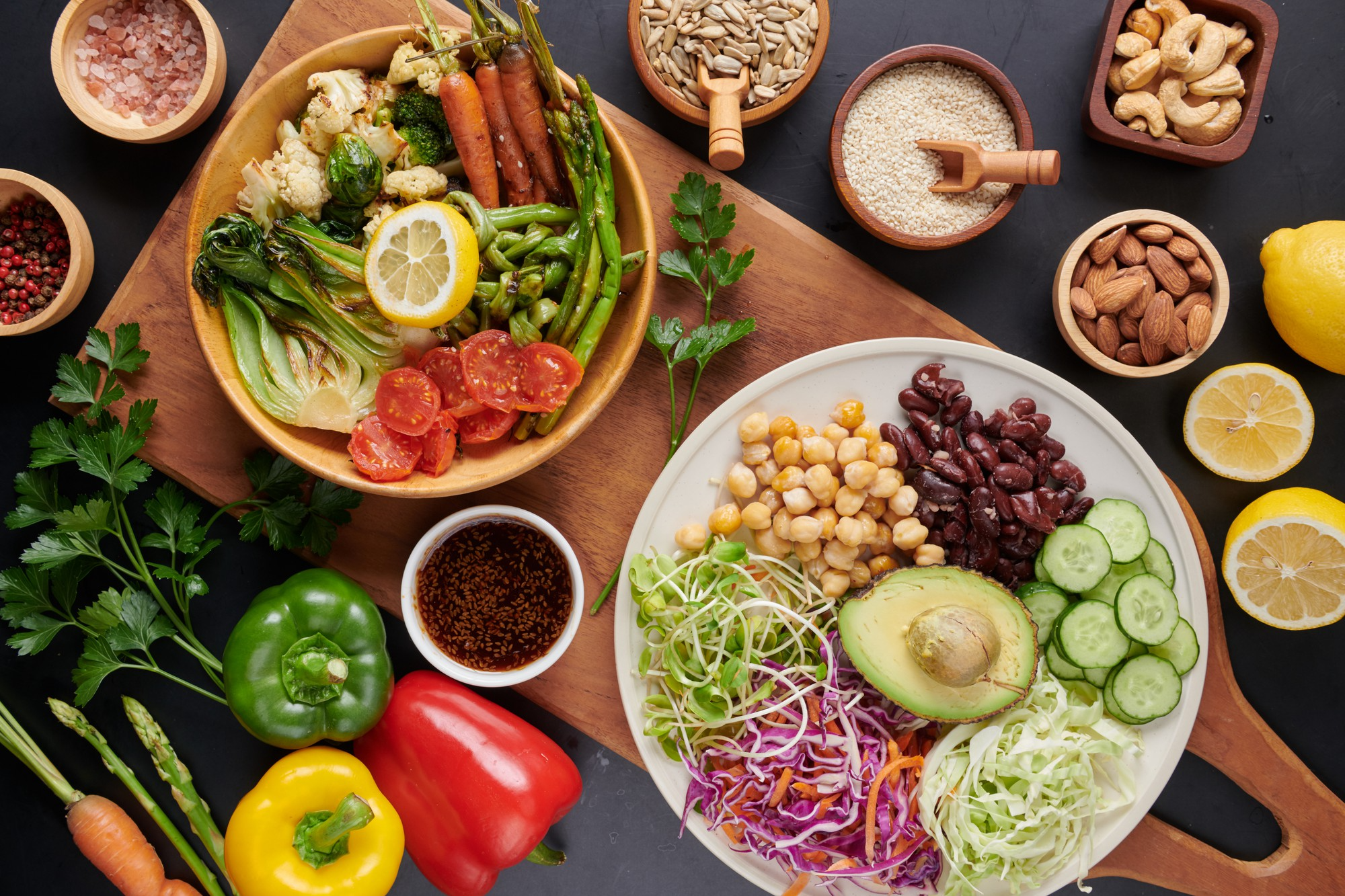
Vitamin C: supports neutrophil function and antibody production. Found in amla (richest natural source available in India), guava, citrus fruits, capsicum, tomato. A diet with fresh fruits and vegetables covers requirements for most people. Supplements may be useful during illness or high-stress periods.
Vitamin D: perhaps the most important immune-related vitamin. Vitamin D receptors are present on virtually every immune cell. Deficiency (extremely common in urban India despite sun exposure) is associated with higher infection rates, particularly respiratory infections. A blood test reveals status. Supplementation is often needed.
Zinc: essential for immune cell development and inflammatory response. Sources: pumpkin seeds, sesame, nuts, whole grains, legumes, meat.
Iron: iron deficiency impairs immune function, white blood cell production, and antibody response. Common in India, particularly in women and children.
Protein: antibodies, cytokines, and immune cells are made from protein. Low protein intake — common in Indian diets that are heavy in carbohydrates with insufficient dal, eggs, or meat — impairs immune function. Include a protein source at every meal.
Probiotics: the gut houses a significant portion of the immune system. A diverse gut microbiome supports appropriate immune regulation. Sources: curd (dahi), buttermilk, kanji (fermented carrot drink), idli and dosa (fermented), pickles (unpasteurised).
Garlic: allicin, garlic's active compound, has genuine antimicrobial and immune-stimulating properties. Used in cooking regularly, not as a supplement overdose.
Ginger: anti-inflammatory and may help with respiratory infection symptoms.
Turmeric (curcumin): reduces chronic inflammation that impairs immune regulation. Cook with it consistently.
4. Stress management
Reducing chronic stress removes cortisol-mediated immune suppression. Meditation, regular exercise, adequate sleep, social connection, manageable work hours, spending time in nature — any combination that consistently reduces the daily stress load supports immune function.
5. Hydration
The immune system's first-line defence in the respiratory tract depends on adequate mucous membrane moisture. Dehydration allows pathogens to penetrate more easily. Three to four litres of fluids daily in Indian conditions — mostly water, supplemented with coconut water, buttermilk, and dal.
6. Avoid smoking
Smoking damages cilia (the tiny hair-like structures that sweep pathogens out of airways) and directly impairs immune cells in the respiratory tract. This is one of the clearest immune system damaging behaviours.
7. Maintain a healthy weight
Obesity is a chronic inflammatory state that impairs immune regulation. Weight loss in people with obesity improves immune function significantly.
Vaccinations: The Most Evidence-Based Immune Support
This is often absent from "immunity" discussions but is the single most evidence-based immune intervention available. Vaccines train the immune system to recognise specific pathogens without causing disease.
Adults should ensure they're current on:
Influenza (flu) vaccine — annually
COVID-19 boosters as recommended
Pneumococcal vaccine (particularly for those over 60 or with chronic conditions)
Tetanus-diphtheria (Td) booster — every ten years
Hepatitis B if not previously vaccinated
Hepatitis A if at risk
In India, booster catch-up vaccination is often incomplete. Ask your doctor which vaccines you might be due for.
What the Evidence Doesn't Support
Megadose vitamin C: beyond covering deficiency, high-dose supplementation doesn't prevent colds or flu in most people. Linus Pauling's theory is not supported by large trials.
Most branded "immunity booster" supplements: the combination products with 25 ingredients at low doses have very limited evidence and are mostly marketing.
Colloidal silver: no proven immune benefit, potential harm.
Most herbal teas claiming immunity effects: mild benefits at best, not validated in clinical trials.
Woman standing in a modern kitchen preparing a herbal or home remedy with eco-friendly containers in the background.
"Detox" products: the liver and kidneys handle detoxification efficiently. No product improves this meaningfully in healthy people.
Probiotic supplements (in most people with normal diets): fermented foods with live cultures provide similar or better benefit for most healthy people.
Good Habits with Some Evidence
Ashwagandha: adaptogen with several studies showing reduced cortisol and some immune parameters improved. Safe in standard doses. Worth considering during high-stress periods.
Chyawanprash: traditional Ayurvedic formulation with amla as the primary ingredient — a genuinely powerful vitamin C and antioxidant source. The actual evidence is mostly for amla and the other well-studied herbs it contains. Better than most packaged supplements because the base ingredients are real.
Tulsi (holy basil): some immune-modulating effects documented. Relatively safe as a tea or supplement. Traditional use in India has extended rationale.
Late-night screen use before bed — sleep protection
When to See a Doctor
Frequent infections (more than six to eight colds per year in adults), unusually severe or prolonged infections, infections in unusual places, or persistent fatigue alongside frequent illness warrant evaluation. These can indicate immunodeficiency, diabetes, thyroid disease, or other conditions that require specific treatment.
Similarly, if you haven't had blood tests recently, testing for vitamin D, iron, B12, and glucose is worthwhile — deficiencies in any of these impair immune function and are common in India.
Care at Prakash Hospital Noida
At Prakash Hospital Noida, our physicians can evaluate immune health through blood tests (complete blood count, vitamin D, iron studies, blood glucose, thyroid), vaccinations, and management of underlying conditions contributing to frequent illness.
Whether you're in Sector 18, Sector 62, Greater Noida West, or anywhere nearby, Prakash Hospital Noida is a trusted name for general health, preventive care, and wellness in Noida.
We offer expert care across key specialties, including Medicine, Cardiology, Orthopaedics, ENT, Gynaecology, and more—delivering trusted treatment under one roof.
Monsoon brings dengue, malaria, viral fever, and gut infections. Here's how to strengthen your immunity before and during the season. Prakash Hospital Noida.