


Foods That Improve Brain Power and Memory
Best Indian foods for brain power, memory, and focus. What to eat to sharpen your mind naturally. From Prakash Hospital Noida.
27 Jul 2026
by Prakash Hospital
by By Prakash Hospital

Unlike normal forgetfulness, memory loss linked to dementia gets in the way of living independently.
Everyone forgets things. A misplaced phone, a name that won't surface, a missed errand. Most of the time, this is ordinary and harmless, a result of stress, distraction, or too little sleep. But when memory problems become frequent, worsen over time, or start interfering with daily life, they deserve medical attention.
In India, the number of people living with dementia is already in the millions and rising with an aging population. Many families dismiss early symptoms as "just old age" and seek help only when the condition is advanced. Yet some causes of memory loss are fully treatable, and even for progressive conditions, early diagnosis allows better planning and care.
| Typical age-related changes | Possible warning signs | |---|---| | Occasionally forgetting a name but remembering it later | Forgetting familiar people or repeatedly asking the same questions | | Misplacing keys now and then | Putting objects in strange places (such as keys in the fridge) and being unable to retrace steps | | Sometimes missing a bill payment | Trouble managing money or following a familiar recipe | | Needing a moment to find a word | Frequent trouble finding words or following conversations | | Forgetting what day it is, then recalling it | Losing track of dates, seasons, or where you are | | Slower to learn new things | Getting lost in familiar places |
The key difference: normal forgetfulness does not stop you from living independently. Dementia does.
Families are often the first to notice. If several of these appear and are persistent, seek evaluation.
These are important because they can often be corrected:
Seek an evaluation if:
Treat the underlying issue: replace B12, correct thyroid levels, treat depression, adjust medicines, stop alcohol, manage sleep apnoea.
There is no cure for most degenerative dementias, but care can improve quality of life:
You cannot control age or genes, but you can reduce risk and support brain health throughout life:
At Prakash Hospital Noida, our physicians and neurology team evaluate memory problems with cognitive assessment, blood tests, and brain imaging, identify treatable causes, and guide patients and families on treatment, safety, and long-term care.
Whether you live in Sector 18, Sector 62, Greater Noida West, or anywhere nearby, Prakash Hospital Noida is a trusted name for neurology and memory care in Noida.
To book a consultation, call the number.
Tags: #MemoryLossSymptoms #EarlyDementiaSigns #PrakashHospitalNoida

This article covers neurology concerns. These Prakash Hospital doctors in Noida treat them.

Dr. R.K. Majumdar
Sr Consultant Neurosurgeon
Advanced Spine Surgery · Neurooncosurgery · Endoscopic Brain Surgery
Targeted injections for chronic migraine, dystonia, eyelid spasm and muscle stiffness after a stroke.
Records the brain's electrical activity through scalp electrodes to help diagnose epilepsy and seizures.
Round-the-clock emergency scans and treatment for stroke, followed by rehabilitation and prevention.
Free tools to check your weight, plan a pregnancy, track calories and more.
We offer expert care across key specialties, including Medicine, Cardiology, Orthopaedics, ENT, Gynaecology, and more—delivering trusted treatment under one roof.
Best Indian foods for brain power, memory, and focus. What to eat to sharpen your mind naturally. From Prakash Hospital Noida.
27 Jul 2026
by Prakash Hospital

Discover how chronic stress impacts brain function, memory, focus, and mental health, and learn ways to reduce its long-term effects.
19 Dec 2025
by Prakash Hospital

Improve memory and focus with proven daily habits that support long-term brain health and cognitive function.
27 Nov 2025
by Prakash Hospital
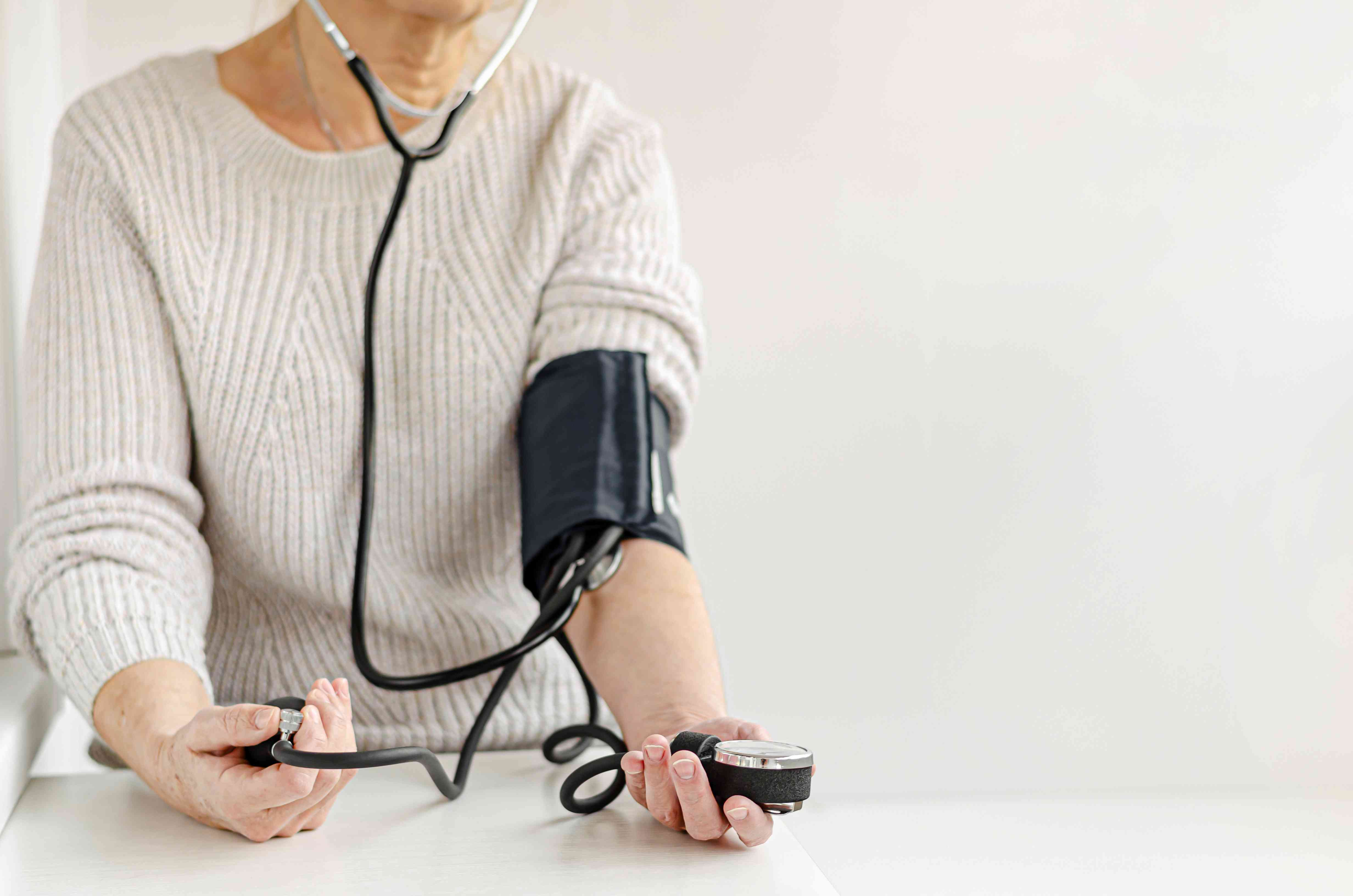
How to lower blood pressure naturally through diet, exercise, sleep and stress management. Evidence-based guide for Indians. Prakash Hospital Noida.
18 Aug 2026
by Prakash Hospital

Comprehensive guide on lowering high blood pressure naturally through diet, exercise, weight control, and medical monitoring.
24 Feb 2026
by Prakash Hospital
Practical ways to lower blood pressure naturally through diet, exercise, and lifestyle — plus when medication is needed. Prakash Hospital Noida.
5 Aug 2026
by Prakash Hospital
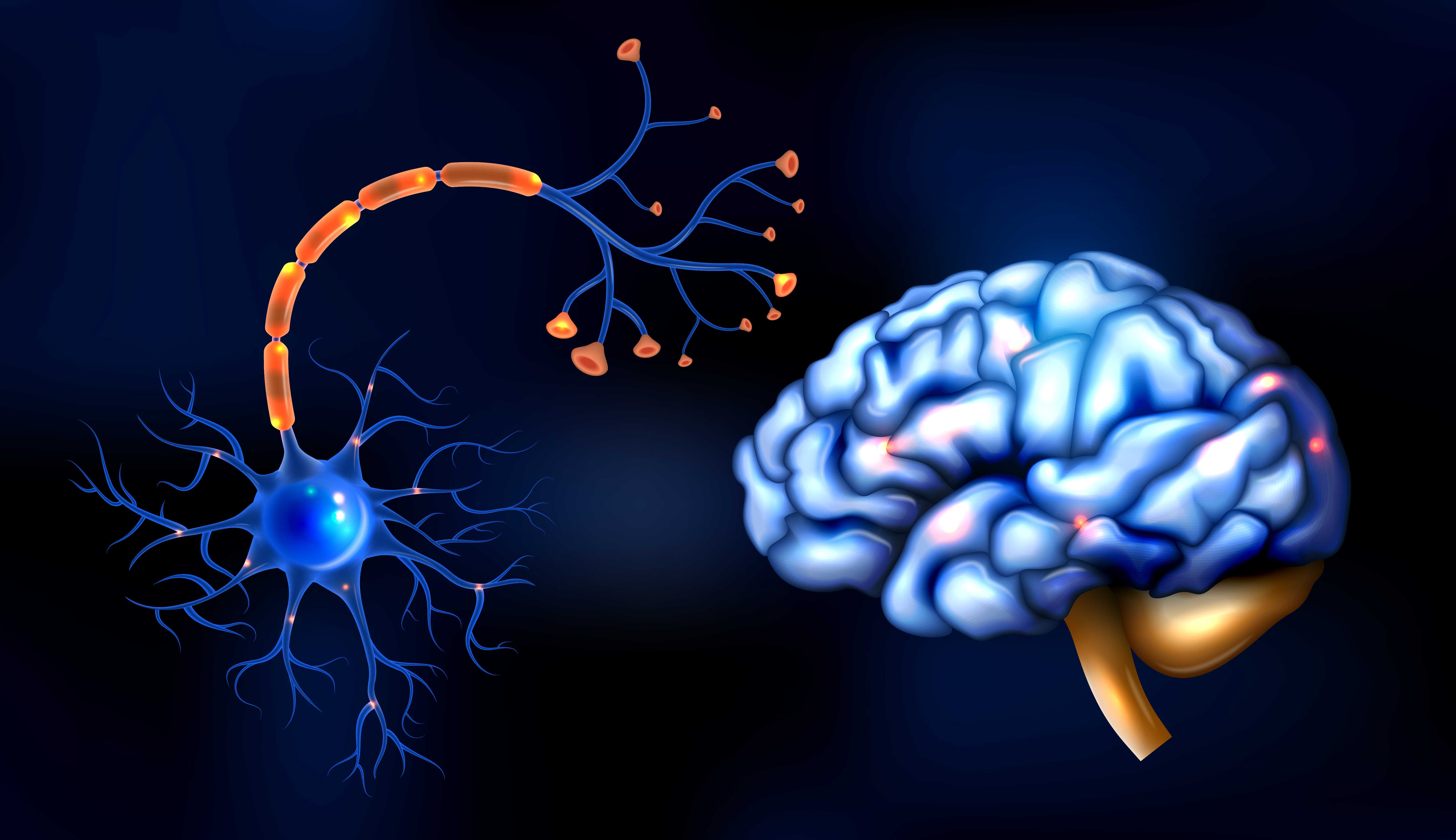
Learn the warning signs of brain hemorrhage, possible causes, emergency treatment options, and why immediate medical attention is critical.
19 May 2026
by Prakash Hospital

Insomnia, sleep apnoea, restless legs and more. Learn the signs of sleep disorders, when to see a doctor, and how they are treated. Prakash Hospital Noida.
4 Nov 2026
by Prakash Hospital

How students can sharpen focus and memory before exams: study blocks, active recall, spaced revision, sleep rules, food, phone limits and a parent's checklist.
16 Oct 2026
by Prakash Hospital


Book a consultation with Prakash Hospital's specialists — 24/7 emergency care, 100+ doctors, NABH accredited.
View All Departments