


Hair Growth Tips: What Actually Makes Hair Grow Faster and Thicker
Hair growth tips that are evidence-backed — diet, scalp care, and treatments that genuinely promote hair growth. Prakash Hospital Noida.
3 Sept 2026
by Prakash Hospital
by Prakash Hospital
Summer is the perfect time for outdoor activities and gatherings, but the intense heat can also bring unexpected health problems. Hours in the sun can leave you feeling dizzy, exhausted, or even dangerously dehydrated. High temperatures and humidity also create the perfect environment for foodborne illnesses, skin infections, and respiratory issues.
The good news? A few precautions can go a long way. Recognizing early warning signs and taking preventive steps can help you enjoy the season without any health setbacks. Let’s dive into some of the most common summer illnesses, their symptoms, and how you can protect yourself.
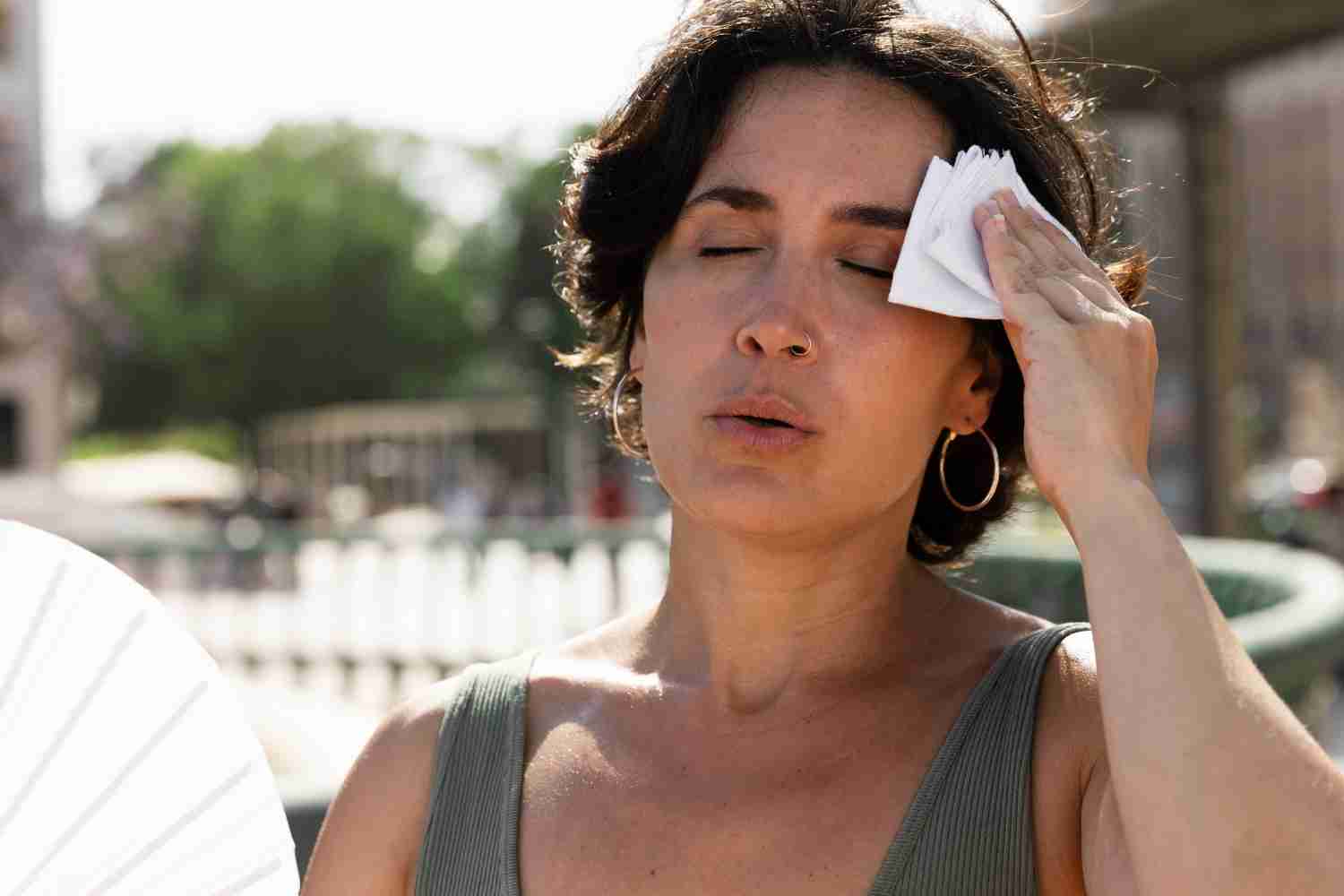
Hot weather can lead to serious health issues like heat exhaustion, dehydration, and sunstroke if precautions aren’t taken.
Heat exhaustion occurs when the body overheats due to excessive loss of fluids and electrolytes. This usually happens with prolonged exposure to high temperatures, where the body struggles to cool itself. If left untreated, heat exhaustion can lead to heatstroke, a potentially life-threatening condition.
Symptoms:

Heat exhaustion often strikes after prolonged exposure to high temperatures and can lead to fainting or heatstroke.
Dehydration happens when the body loses more fluids than it takes in. It's not just about water loss—essential minerals like sodium and potassium are also depleted, leading to muscle weakness and impaired nerve function.
Symptoms:
3. Heatstroke
Heatstroke is a medical emergency that occurs when the body temperature rises above 40°C (104°F) and the body’s cooling mechanisms fail. Immediate treatment is essential to avoid complications like organ damage or even death.
Symptoms:
Warm temperatures promote the rapid growth of bacteria in food, increasing the risk of food poisoning during summer. Eating contaminated or improperly stored food can cause gastrointestinal infections.
Common Causes:
Symptoms:
Heat and humidity are breeding grounds for bacteria, fungi, and viruses on the skin. Excess sweat and friction can weaken the skin’s barrier, allowing infections to develop more easily.
Causes:
Symptoms:
Stagnant water and humid weather help mosquitoes breed, raising the risk of diseases like dengue, malaria, and chikungunya.
Causes & Carriers:
Symptoms:
The body loses vital fluids and minerals in the heat, making hydration essential.
1. Stay Hydrated:
Drink water regularly—even before you feel thirsty. Avoid sugary, caffeinated, or alcoholic drinks, as they may contribute to dehydration.
2. Wear Light, Breathable Clothing:
Choose loose, light-colored clothes made from cotton or other natural fabrics to allow airflow and prevent heat buildup.
3. Use Sunscreen and Protective Gear:
Apply broad-spectrum sunscreen (SPF 30 or higher), and reapply every 2 hours or after sweating/swimming. Add a wide-brimmed hat and sunglasses for extra protection.
4. Avoid Peak Sun Hours:
Try to stay indoors between 10 a.m. and 4 p.m., when the sun is at its strongest. If you’re outdoors, take breaks in the shade.
5. Cool Down Regularly:
Take cool showers or baths. Use fans, misting bottles, or cooling towels to lower your body temperature.
6. Eat Light and Refreshing Meals:
Choose foods with high water content, like watermelon, cucumber, and citrus fruits. Avoid heavy, greasy meals that raise body heat.
7. Limit Strenuous Activities:
Exercise early in the morning or after sunset. Rest immediately if you feel dizzy or overheated.
8. Maintain a Cool Indoor Environment:
Use fans or air conditioning. Keep curtains closed during the day to block direct sunlight. Visit air-conditioned public places if needed.
9. Protect Against Insects:
Use mosquito repellents (DEET-based or natural alternatives), sleep under nets if needed, and avoid areas with standing water.
By taking these steps, you can reduce your risk of heat-related illnesses and enjoy summer to its fullest—without putting your health on the line.

An X-ray dye test that maps blockages in the heart's arteries and guides the choice between medicines, stents and surgery.
Replaces only the worn part of an arthritic knee, keeping the healthy cartilage and ligaments.
Medicines, shock waves, laser ureteroscopy or PCNL, chosen by the size and position of your stone.
Free tools to check your weight, plan a pregnancy, track calories and more.
We offer expert care across key specialties, including Medicine, Cardiology, Orthopaedics, ENT, Gynaecology, and more—delivering trusted treatment under one roof.
Hair growth tips that are evidence-backed — diet, scalp care, and treatments that genuinely promote hair growth. Prakash Hospital Noida.
3 Sept 2026
by Prakash Hospital

Comprehensive guide on lowering high blood pressure naturally through diet, exercise, weight control, and medical monitoring.
24 Feb 2026
by Prakash Hospital
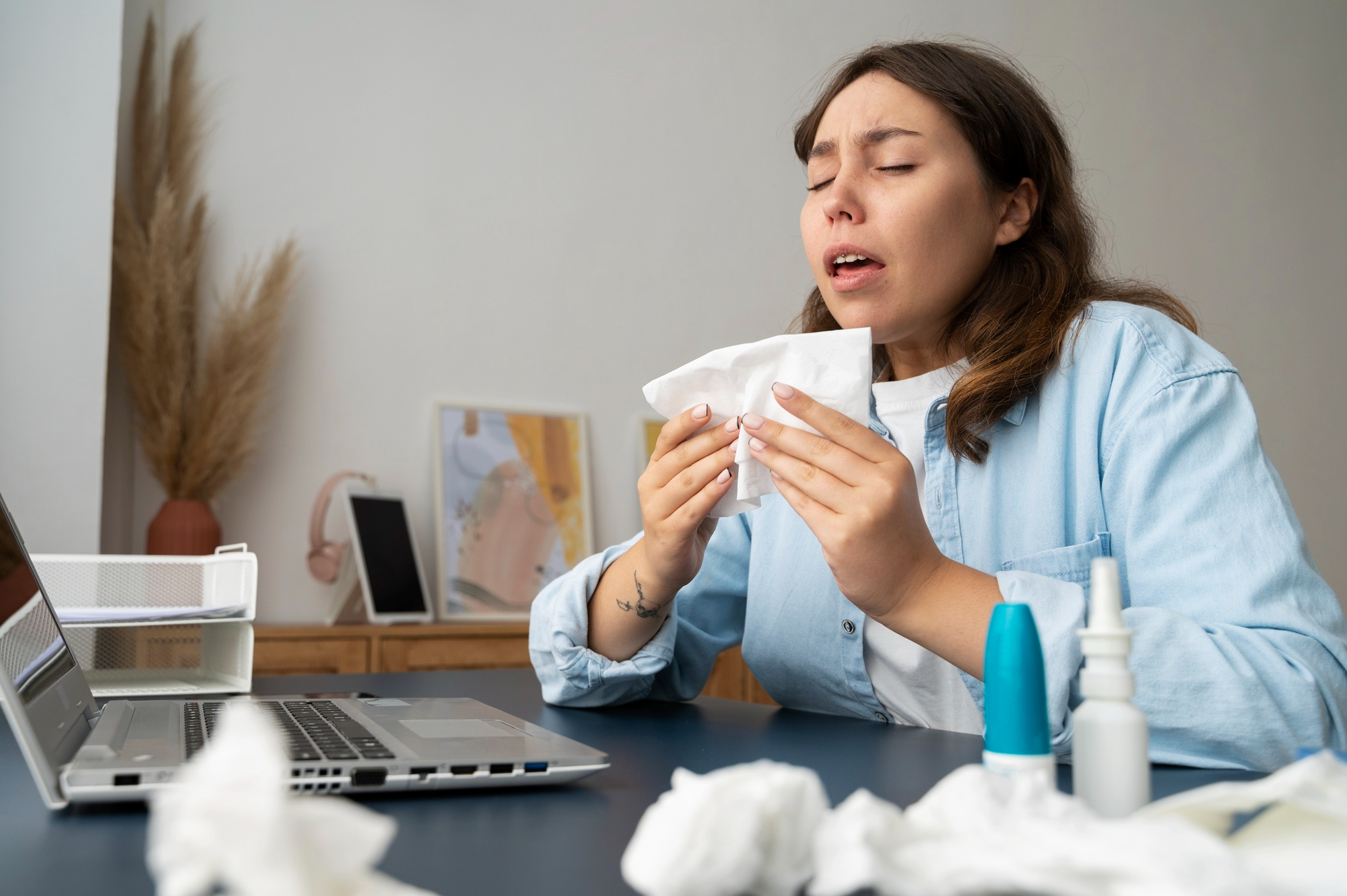
एलर्जी (Allergy) क्या है? जानिए इसके कारण, लक्षण, प्रकार, इलाज और बचाव के आसान तरीके। एलर्जी से जुड़ी सही जानकारी और उपचार | Prakash Hospital
17 Dec 2025
by Prakash Hospital

Hair fall in women — hormones, PCOD, thyroid, iron deficiency, and more. Why women lose hair and what helps. Prakash Hospital Noida.
2 Sept 2026
by Prakash Hospital

Does dandruff cause hair fall? The link between scalp inflammation and hair loss — and how to treat both. Prakash Hospital Noida.
7 Sept 2026
by Prakash Hospital

Which foods cause or worsen hair fall — sugar, crash diets, raw eggs, and more. Diet tips for healthier hair. Prakash Hospital Noida.
3 Sept 2026
by Prakash Hospital


Book a consultation with Prakash Hospital's specialists — 24/7 emergency care, 100+ doctors, NABH accredited.
View All Departments