Surprising Truth: Why Bloating During Ovulation Happens and How to Manage It
·by Prakash Hospital
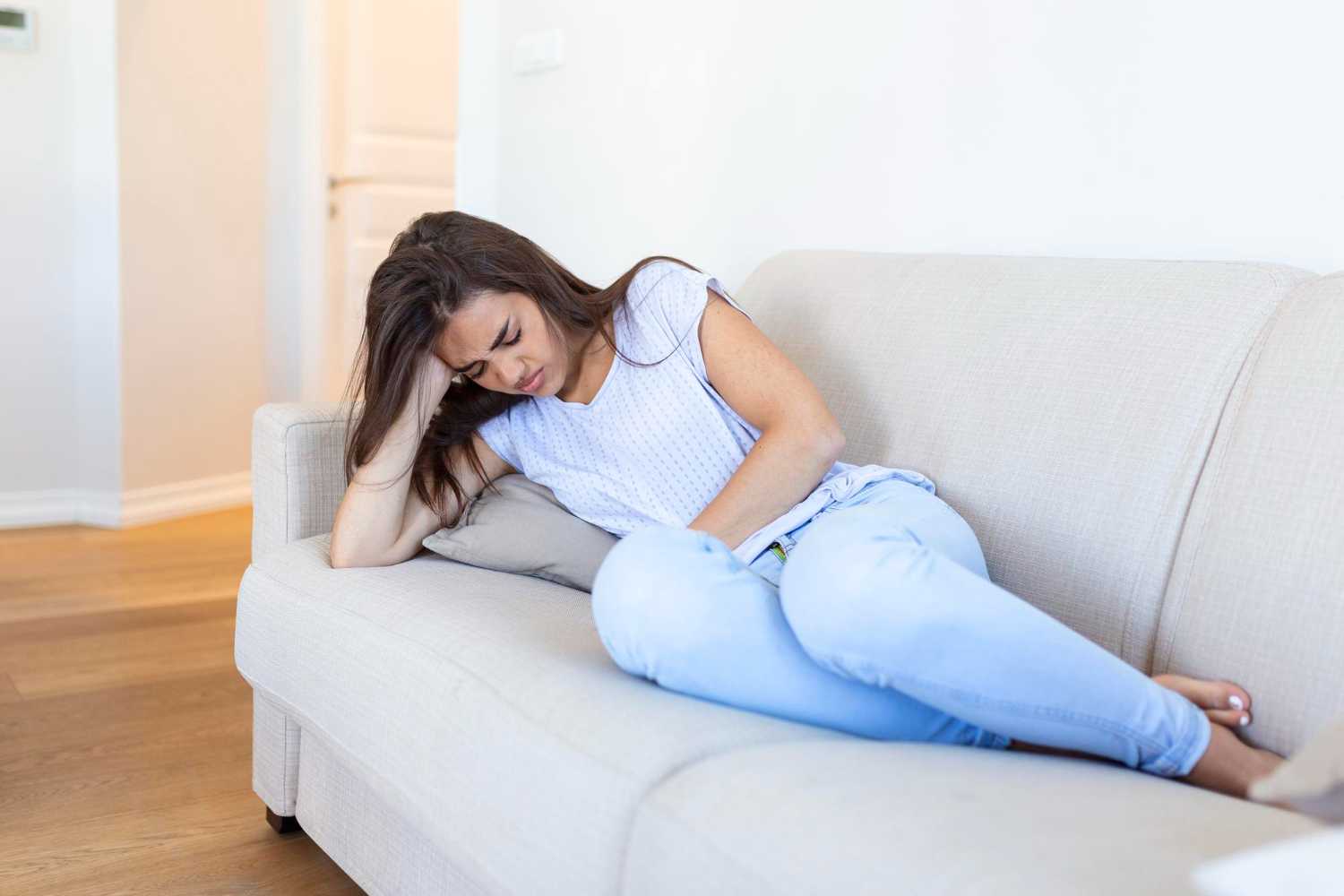
A woman experiencing mild abdominal discomfort, symbolizing ovulation-related bloating.
Understanding Bloating During Ovulation
Feeling unusually full or bloated mid-cycle? You're not alone. Many women experience bloating during ovulation, often mistaking it for digestive issues or premenstrual symptoms. This temporary discomfort is a normal part of the menstrual cycle and can be managed with a few lifestyle adjustments.
This article breaks down why bloating happens during ovulation, what symptoms to watch for, and simple ways to find relief.
What Causes Bloating During Ovulation?
Hormonal fluctuations are the primary reason behind ovulation bloating. These shifts prepare the body for potential conception and can trigger temporary water retention and abdominal pressure.
Key hormonal changes during ovulation include:
A surge in luteinizing hormone (LH)
A drop in estrogen
A rise in progesterone
Release of prostaglandins
These changes affect fluid balance and digestion, making you feel bloated or heavier than usual.
Main Causes of a Bloated Stomach During Ovulation
Several factors can contribute to bloating during this phase:
Hormonal Shifts: Increased estrogen and LH levels lead to water retention.
Digestive Disruption: Hormones slow down gut motility, leading to gas or constipation.
Salty or Fatty Food Cravings: These can worsen bloating and fluid retention.
Ovarian Swelling: The maturing egg causes the ovary to enlarge, adding abdominal pressure.
Water Retention: Hormone-driven fluid retention affects the belly and sometimes the breasts.
In some cases, bloating might be linked to underlying conditions like polycystic ovary syndrome (PCOS), endometriosis, or ovarian cysts.
Common ovulation symptoms like mild cramping and bloating managed with home remedies.
Common Ovulation Bloating Symptoms
Bloating during ovulation often feels like a swollen belly or unusual fullness. Other symptoms may include:
Abdominal Pain: Mild cramps or sharp twinges, often on one side.
Breast Tenderness: Caused by rising progesterone.
Clear Vaginal Discharge: Often stretchy, like egg whites.
Temporary Weight Gain: From fluid buildup.
Increased Sensitivity: To smells or tastes.
Heightened Libido: Due to ovulatory hormone activity.
Nausea: In some cases, linked to digestive slowdown.
When Does It Happen?
Most women notice bloating between days 11 and 14 of their cycle. Symptoms may last a few hours or extend up to two days. Some may feel bloated until their next period begins.
How to Relieve Bloating During Ovulation
Managing ovulation bloating often involves simple lifestyle tweaks. Here are proven ways to ease discomfort:
Stay Hydrated: Drink at least 2 litres of water a day to reduce fluid retention.
Adjust Your Diet: Try a low-FODMAP plan and avoid high-sodium foods.
Eat Potassium- and Magnesium-Rich Foods: Include bananas, spinach, sweet potatoes, and avocados.
Move More: Light exercise like walking or yoga aids digestion and reduces water retention.
Relax Your Body: Stress can worsen symptoms. Practice deep breathing, meditation, or gentle stretching. Support Gut Health: Add fermented foods like kimchi, yogurt, or sauerkraut.
Consider Over-the-Counter Relief: Anti-inflammatory medications like ibuprofen can reduce bloating and pain. Always consult a healthcare provider before using medication.
Potassium- and magnesium-rich foods that help ease bloating during ovulation.
When Should You See a Doctor?
While occasional bloating during ovulation is normal, seek medical advice if you experience:
Severe or persistent bloating for more than three weeks
Pain that interferes with daily life or sleep
Frequent bloating episodes (more than 12 times a month)
Unexplained lumps or swelling in the abdomen
No improvement despite lifestyle changes
These signs could point to a more serious condition that requires evaluation.
Conclusion
Bloating during ovulation is a common yet under-recognized part of the menstrual cycle. Knowing the symptoms and their root causes helps women manage the condition more effectively. For most, simple lifestyle changes are enough to ease the discomfort. If symptoms become intense or persistent, don’t hesitate to consult a doctor. Early assessment can rule out underlying issues and provide tailored treatment options.
FAQs About Bloating During Ovulation
1. Is it normal to feel very bloated during ovulation?
Yes. Most menstruating women experience bloating during ovulation due to hormone-related water retention and digestive changes.
2. How long does ovulation bloating last?
Typically, it lasts a few hours to two days. In some cases, bloating may persist until the start of menstruation.
3. How is ovulation bloating different from premenstrual bloating?
Ovulation bloating happens mid-cycle (around day 14), while premenstrual bloating occurs 7–14 days before your period. Premenstrual bloating often comes with mood swings and breast tenderness.
4. Why do I feel unwell during ovulation?
The hormonal shifts can cause fatigue, cramping, mood changes, and nausea. These are all normal symptoms of ovulation.
5. Can ovulation make you feel tired?
Yes. A rise in progesterone during ovulation can cause fatigue and a drop in energy levels.
6. Is ovulation pain a sign it's too late to conceive?
Not necessarily. Ovulation pain signals that the egg is being released. Conception is still possible within 24–36 hours after ovulation.
We offer expert care across key specialties, including Medicine, Cardiology, Orthopaedics, ENT, Gynaecology, and more—delivering trusted treatment under one roof.
Understand the dangers of heatstroke, including its causes, warning signs, and life-saving treatments. Learn how to protect yourself during extreme heat.
Low testosterone symptoms — fatigue, low libido, mood changes and more. Causes, when to get a morning blood test, and treatment. Prakash Hospital Noida.
PCOD vs PCOS — what is the difference, which is more serious, and how each is diagnosed and treated. Visit Prakash Hospital Noida for women's health care.
What is PCOD — a complete guide to causes, symptoms, hormones, and how the condition develops. Visit Prakash Hospital Noida for expert women's health care.