


Knee Pain: What's Causing It and What Helps
Knee pain causes, home exercises, and when to get a medical opinion. A practical guide from Prakash Hospital Noida, Noida.
26 Aug 2026
by Prakash Hospital
by Prakash Hospital
by Prakash Hospital
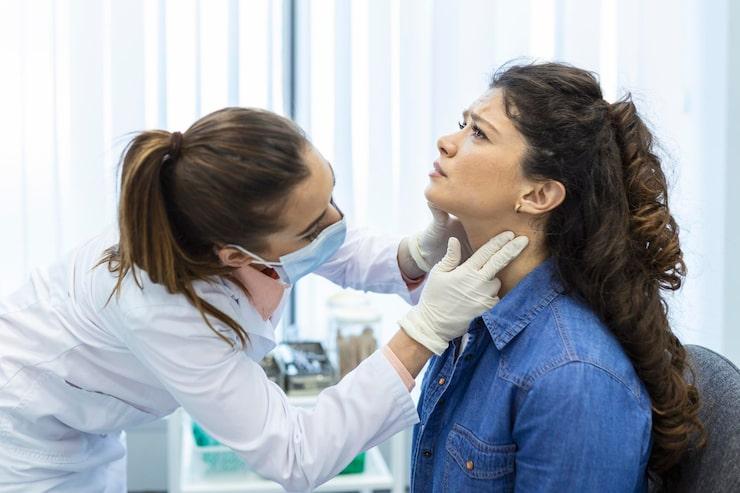
Doctor examining a sad thyroid patient
The thyroid gland, a butterfly-shaped organ located at the base of the neck, plays an essential role in regulating metabolism, energy levels, and overall hormonal balance. When thyroid function is impaired—whether due to cancer, nodules, hyperthyroidism, or other medical conditions—surgery may become necessary. A thyroidectomy, the surgical removal of all or part of the thyroid gland, is a standard yet significant procedure that requires careful preparation and thoughtful recovery.
In this blog, we will explore what a thyroidectomy entails, why it is performed, what to expect during surgery, and how recovery typically progresses. We will also highlight essential lifestyle adjustments, common challenges, and strategies to support healing after the procedure.
A thyroidectomy is a surgical operation in which part or all of the thyroid gland is removed. The procedure can be categorized into:
The type of thyroidectomy depends on the patient’s diagnosis, overall health, and the surgeon’s recommendation.
Doctors may recommend thyroidectomy for several medical conditions, including:
Preparation is an essential part of the surgical journey. Patients may undergo:
On the day of surgery, patients are typically asked to fast and avoid certain medications as directed.
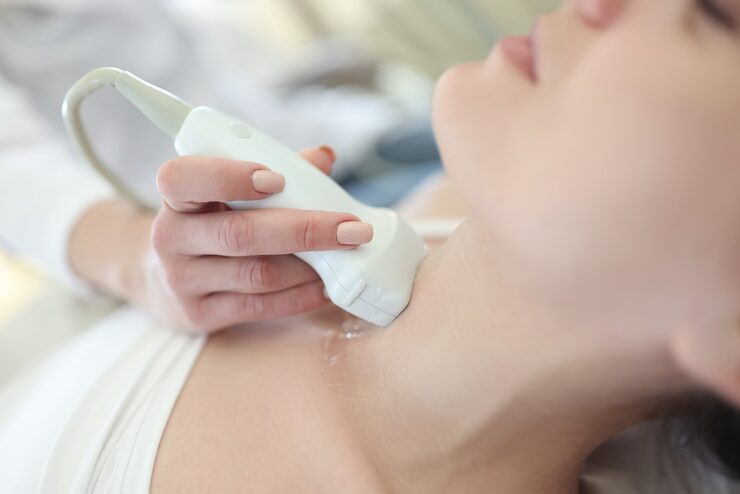
Doctor checking the thyroid of a patient
Thyroidectomy is usually performed under general anesthesia and lasts between 2 and 4 hours. The surgeon makes an incision at the base of the neck to access the thyroid gland. Modern techniques often use smaller incisions and sometimes minimally invasive or robotic approaches for better cosmetic outcomes.
Special care is taken to preserve the parathyroid glands (tiny glands behind the thyroid that regulate calcium levels) and the recurrent laryngeal nerve, which controls vocal cord movement.
Following the operation, patients are monitored in a recovery room. Some everyday early experiences include:
Most patients stay in the hospital for 1–2 days, though some may be discharged the same day, depending on the extent of surgery.
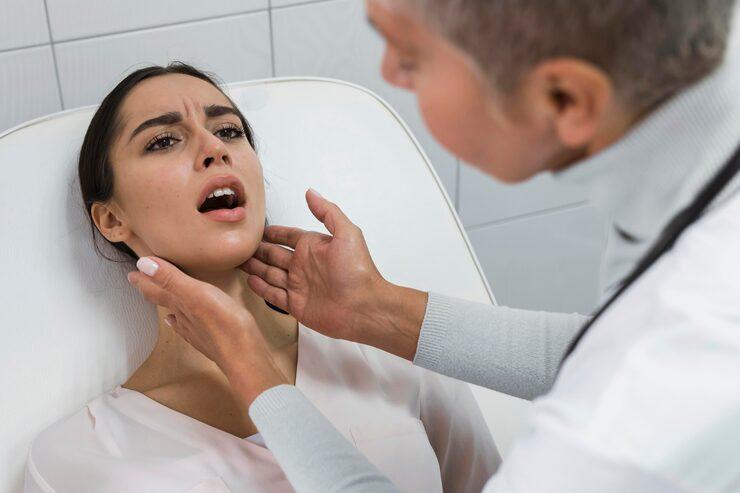
Doctor conducting a follow up checkup on a patient
If the thyroid is obliterated, the body cannot produce thyroid hormones naturally. Therefore, thyroid hormone replacement pills are essential to maintain normal metabolic function.
Patients who had only part of the thyroid removed may not need replacement therapy, depending on how well the remaining gland functions.
Although thyroidectomy is generally safe, potential risks include:
Beyond the physical aspects, thyroidectomy can also impact emotional well-being. Some patients experience anxiety about scars, lifelong medication, or fear of cancer recurrence. Joining support groups or talking with a counselor can help in coping.
Lifestyle adjustments include:
A thyroidectomy is a life-changing but often necessary surgery that can successfully treat thyroid cancer, nodules, goiter, or severe hyperthyroidism. While the recovery process requires patience, careful monitoring, and long-term medication in many cases, most patients go on to live healthy and fulfilling lives.
By understanding the procedure, preparing adequately, and following recovery guidelines, patients can navigate the journey with confidence. With the proper medical support and self-care, the transition after thyroidectomy becomes smoother—and the outcome is often life-saving. For consultations and other insight, contact the seasoned experts at Prakash Hospital, Noida.

Removes enlarged adenoids that block a child's nose, disturb sleep or keep causing ear infections.
Records the brain's electrical activity through scalp electrodes to help diagnose epilepsy and seizures.
Home dialysis that uses the lining of the abdomen as a filter, with fluid exchanged through a soft tube every day.
Free tools to check your weight, plan a pregnancy, track calories and more.
We offer expert care across key specialties, including Medicine, Cardiology, Orthopaedics, ENT, Gynaecology, and more—delivering trusted treatment under one roof.
Knee pain causes, home exercises, and when to get a medical opinion. A practical guide from Prakash Hospital Noida, Noida.
26 Aug 2026
by Prakash Hospital

अचानक ब्लड प्रेशर बढ़ने पर क्या करें? जानें हाई BP के लक्षण, कारण, घरेलू उपाय और कब डॉक्टर के पास जाएं। Prakash Hospital में पाएं सटीक कार्डियोलॉजी जांच और इलाज।
18 Jun 2026
by Prakash Hospital

Liver damage signs — recognise early and late symptoms of liver problems and when to see a doctor. Visit Prakash Hospital Noida for liver health checkups.
22 Jun 2026
by Prakash Hospital

बच्चों में फ्लैट फुट क्यों होता है? जानिए इसके कारण, लक्षण, जांच, एक्सरसाइज और इलाज के विकल्प। सही समय पर उपचार से भविष्य की समस्याओं से बचें।
26 Feb 2026
by Prakash Hospital
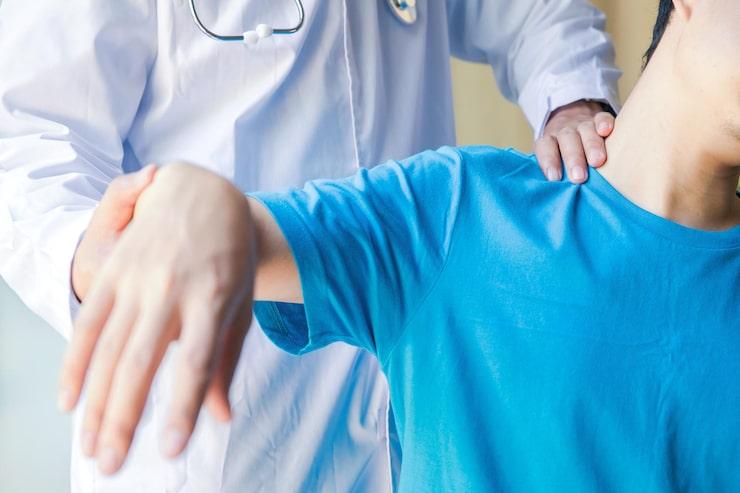
रोटेटर कफ इंजरी के लक्षण, कारण और इलाज जानें। कंधे में दर्द और कमजोरी को नजरअंदाज न करें। Prakash Hospital में पाएं एडवांस ऑर्थोपेडिक और फिजियोथेरेपी उपचार।
15 Jun 2026
by Prakash Hospital

जानिए स्पोर्ट्स इंजरी क्यों होती है, इससे कैसे बचा जा सकता है और चोट लगने पर क्या करना चाहिए।
6 Apr 2026
by Prakash Hospital


Book a consultation with Prakash Hospital's specialists — 24/7 emergency care, 100+ doctors, NABH accredited.
View All Departments