What to Know About Miscarriage: Causes, Signs, and Help
·by Prakash Hospital
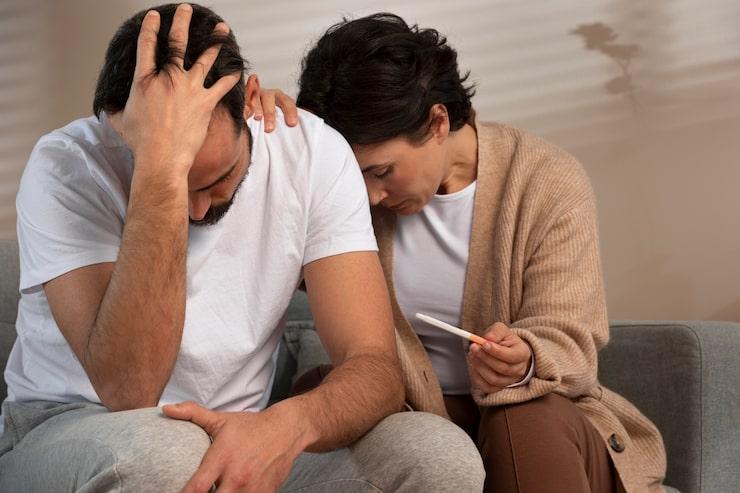
Couple depressed due to a miscarriage
People typically describe pregnancy as a journey filled with hope, joy, and excitement. But for some women and families, that journey is interrupted by a miscarriage, which can feel like too much to handle and crush their hearts.
Even though miscarriage happens a lot more often than most people think, many people still find it hard to talk about it openly. This quiet might make the grief feel worse. We can replace stigma with knowledge and compassion by learning more about miscarriage, such as why it happens, what indications to look for, and how to get help.
What is a miscarriage?
A miscarriage is when a woman loses her pregnancy before the 20th week. Most miscarriages occur in the first three months of pregnancy. A lot of the time, the pregnancy ends because it wasn't growing properly, which is usually because of random chromosomal problems.
This is one of the most crucial things to know: miscarriage is not usually caused by something the mother did or didn't do. Working, engaging in light exercise, or experiencing mild stress are all everyday activities that don't cause pregnancy loss.
How often do miscarriages happen?
Many people don't realize how common miscarriage is. It happens in roughly 10–20% of known pregnancies.
The real rate is probably greater because a lot of miscarriages happen very early, sometimes before a woman even knows she's pregnant.
The danger decreases significantly by the second trimester of pregnancy.
What causes miscarriages?
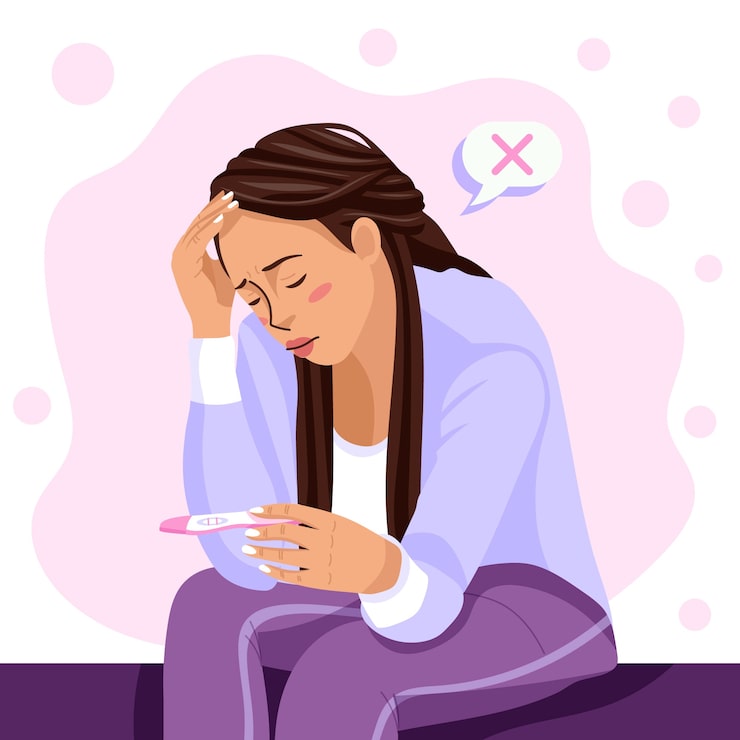
woman suffering from a miscarriage
There isn't always one clear cause. There are still some recognized things that make the risk higher:
1. Chromosomal Abnormalities
Most early miscarriages happen because the embryo has genetic abnormalities that stop it from growing normally. These problems occur by coincidence, not because of the parents' genes.
2. The Mother's Health Conditions
Some health problems can make miscarriage more likely, such as:
Diabetes that isn't under control
Problems with the thyroid
Polycystic ovarian syndrome (PCOS)
Lupus and other autoimmune diseases
Nasty infections
3. Issues with the cervix or uterus
Abnormalities in the uterus (such fibroids or a septum)
A cervix that opens too soon (cervical insufficiency)
4. Your way of life and the place you live
Using drugs, smoking, or drinking a lot of alcohol
Very bad malnutrition
Being around dangerous substances or radiation
5. Age of the mother
The risk of miscarriage rises with age, especially above 35.
Symptoms and Signs
There are some typical indicators of miscarriage, however not all of them are the same.
Bleeding from the vagina, which can range from minor spotting to substantial bleeding with clots
Abdominal pains that can be worse than period pain
Passing fluid or tissue from the vagina
A abrupt loss of pregnancy symptoms, such as nausea or breast tenderness.
It's crucial to remember that not all bleeding during pregnancy signifies a miscarriage. Some women experience spotting yet still have healthy pregnancies. You should still see a doctor right away if you have any unusual bleeding or cramping.
Different Types of Miscarriage
Doctors sometimes put miscarriages into distinct groups:
Bleeding happens, but the cervix is still closed, thus the pregnancy may go on.
Bleeding and cramping are happening, and the cervix is open, so the loss is unavoidable.
Incomplete miscarriage: Some tissue comes out, while some stays in the uterus.
The uterus is empty after a complete miscarriage, which means that all of the pregnancy tissue has departed.
Missed miscarriage: The embryo has ceased growing, but there are no signs of it.
How to Tell If You Have a Miscarriage
Distressed couple due to miscarriage
If a miscarriage is suspected, doctors may suggest:
Ultrasound to look for a heartbeat and confirm that everything is growing normally
Blood tests to check levels of the pregnancy hormone hCG
Pelvic exam to check if the cervix is opening
Choices for treatment
The type of miscarriage and the woman's health will affect how it is handled.
1. Natural (Expectant) Management
The body naturally eliminates the pregnancy tissue over the course of several days or weeks.
2. Medicine
Some medicines can help the uterus get rid of the last bits of tissue faster.
3. Surgery
Sometimes, a technique called Dilation and Curettage (D&C) is used to remove tissue from the uterus. This is especially true if there is a lot of bleeding, an infection, or if a woman wants things to get better faster.
They may also prescribe antibiotics and painkillers when needed.
Effects on emotions
A miscarriage is not just a physical thing; it's also an emotional one. Women may experience a range of emotions, including loss, remorse, wrath, sadness, or melancholy. A lot of people blame themselves, even though miscarriage is not usually their fault.
Emotional support is equally as vital as physical care. Therapy or counseling can help you manage your feelings in a safe and supportive environment.
Support groups bring together women and families who are experiencing similar challenges.
Getting partners and loved ones involved helps ensure that everyone who needs aid receives it.
Getting through it and moving on
It takes time to heal, both physically and mentally. Here are some things you may do that might help:
Taking a break and getting better: Follow your doctor's advice and give your body time to heal.
Talk openly: Share your feelings and thoughts with your partner or loved ones.
Eat healthily, remain active (when you're ready), and explore strategies to manage stress.
More testing: If a woman has three or more miscarriages, doctors may suggest tests to find out what might be causing them.
For most women, having a miscarriage does not mean they will never be able to have a healthy pregnancy again. Doctors often tell patients that a single loss doesn't indicate they can't get pregnant again.
Questions and Answers About Miscarriage
1. Is it possible to stop a miscarriage?
Not all the time. You can't eliminate hereditary reasons, but you can minimize your risk by maintaining a healthy lifestyle, receiving regular medical care, and avoiding substances that are harmful to your health.
2. When is it okay for me to try to get pregnant again?
Doctors may tell you to wait until after one or two menstrual cycles, but the best time to do it depends on how well you are healing physically and emotionally.
3. If I've already had one miscarriage, does that make it more likely that I'll have another?
No. Most women who experience one miscarriage go on to have healthy pregnancies. If you have had many miscarriages, you may need more tests.
4. Is it possible for stress to trigger a miscarriage?
Stress that happens every day does not induce miscarriage. Extreme or long-term stress may have a negligible effect when paired with other risk factors.
5. Should I go to the doctor after a miscarriage?
Yes. Even after a first miscarriage, it's crucial to have medical attention to make sure you're fully healed and to get advice for future pregnancies.
Conclusion
One of the saddest things a woman and her family may go through is a miscarriage. However, most people are unaware that it occurs much more frequently than they realize. Knowing why it happens, being able to recognize the signs, and seeking medical and emotional support through experienced doctors like the ones at Prakash Hospital,Noida, can make the trip a little less lonely.
Above all, you shouldn't go through a miscarriage alone. Healing is achievable with the correct treatment, compassion, and support. Many women still have hope for a healthy pregnancy in the future.
We offer expert care across key specialties, including Medicine, Cardiology, Orthopaedics, ENT, Gynaecology, and more—delivering trusted treatment under one roof.
Read your lipid profile line by line: total cholesterol, LDL, HDL, triglycerides, non-HDL and VLDL. Learn the LDL formula, targets by risk and when to retest.
Discover how prolonged sitting affects your heart, metabolism, and posture. Learn why experts at Prakash Hospital call sitting the new smoking and how to stay active.
Home remedies to strengthen the liver — foods, lifestyle changes, and natural approaches that support liver health. Visit Prakash Hospital Noida for liver care.