


अच्छी नींद क्यों ज़रूरी है?
अच्छी नींद क्यों जरूरी है, नींद की कमी से होने वाली स्वास्थ्य समस्याएं और बेहतर नींद के आसान उपाय हिंदी में जानें।
2 Feb 2026
by Prakash Hospital
by Prakash Hospital
by Prakash Hospital
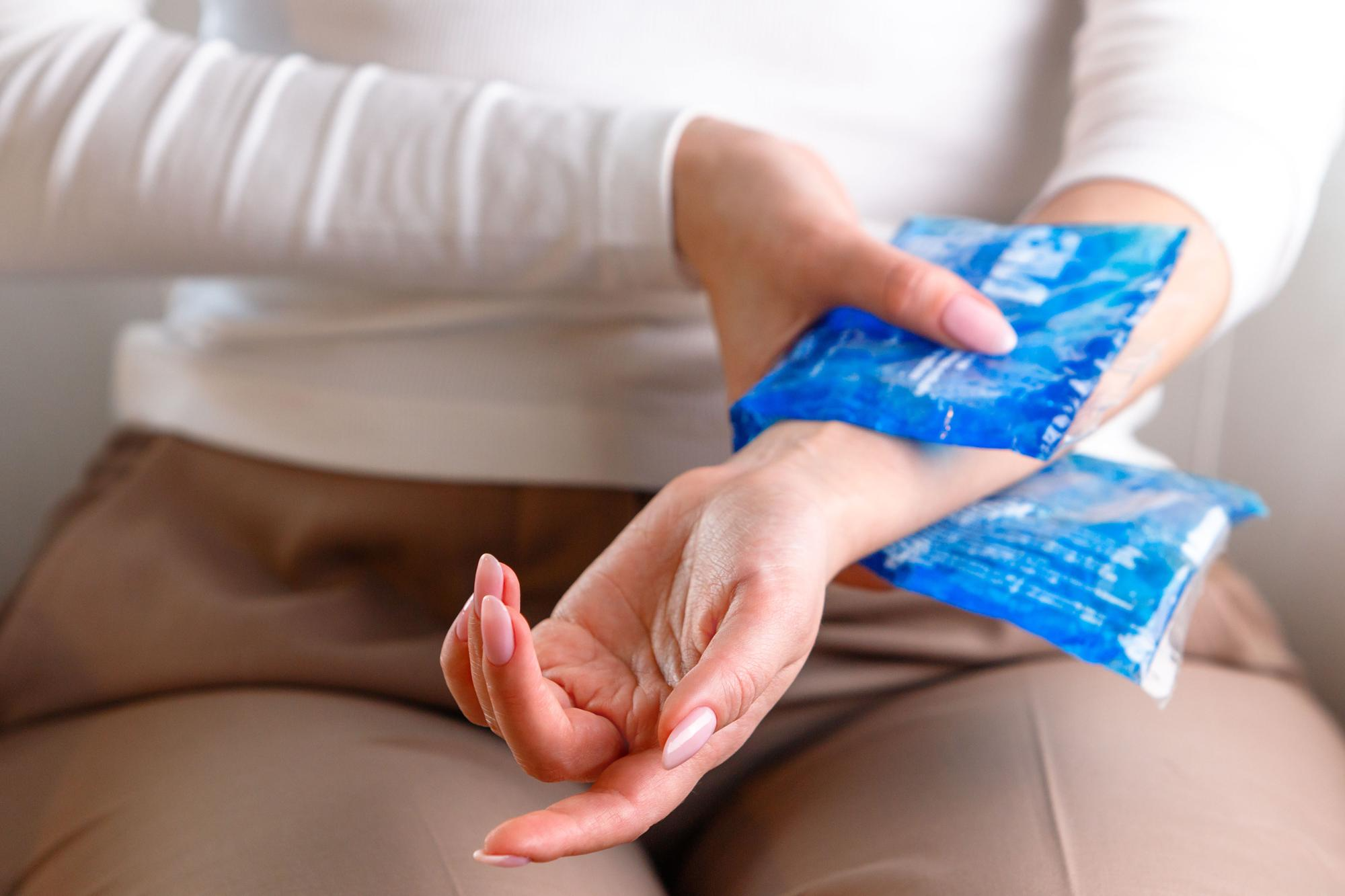
A person using an ice pack to reduce pain.
Injuries are a part of daily life such as rolling your ankle on a morning run or straining a muscle lifting a heavy object. When pain and swelling occur, the first thing most people want to know is:
"Do I apply ice or heat?"
Both ice (cold therapy) and heat (thermal therapy) are effective for pain management but each serves a different purpose. Using the wrong one at the wrong time can actually slow down your recovery.
Ice therapy or cryotherapy, reduces swelling, pain and inflammation in the early stage of injury. Ice application constricts blood vessels and diminishes blood flow to the injured area, minimizing tissue damage and inflammation.
Apply ice therapy to new injuries, particularly in the first 48 hours. It's best for:
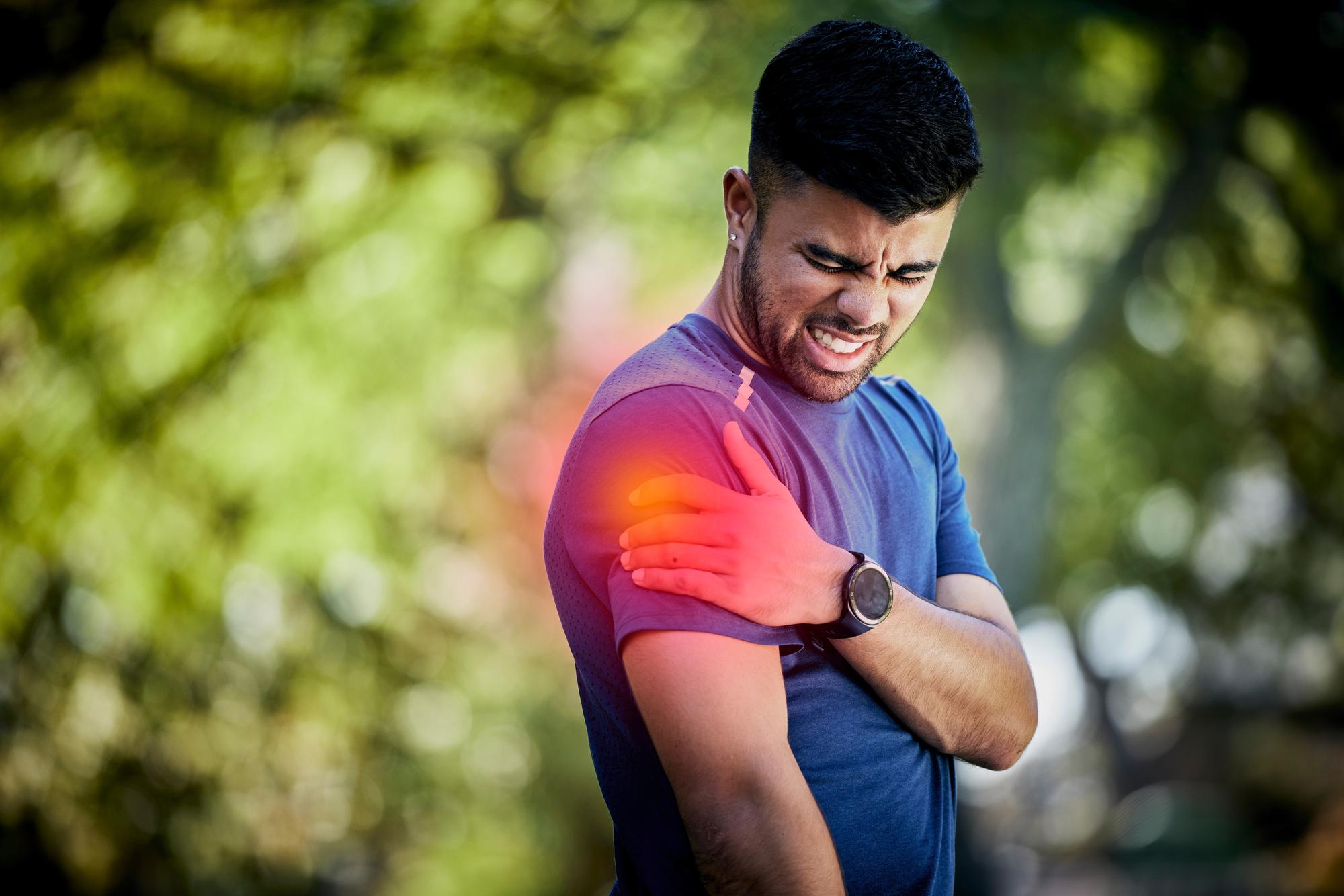
An athlete experiencing muscle pain.
Example:
If you twist your ankle on a run and immediately start swelling, use ice to manage inflammation and pain.
Heat therapy acts opposite to that of ice. It raises blood flow by expanding the blood vessels. The heat loosens cramped muscles, decreases stiffness and enhances tissue pliability.
Apply heat to chronic pain or muscle tightness, not right after an injury. It's best used for:
Example:
If you wake with a stiff neck or sore lower back from sitting too long, gentle heat will help loosen the muscles and increase mobility.
Although ice and heat are both beneficial for pain relief, they are used for other healing purposes. Ice is optimal for new injuries to limit inflammation and swelling. Heat is best for long-term or chronic pain, as it loosens muscles and makes them more flexible.
If your injury is red, warm and swollen, use ice.
If it is tight, stiff or sore, use heat.
One of the most asked questions is when to transition from ice to heat.
Ice is ideal within the first 48 hours to reduce swelling and inflammation. Once you pass 48 hours, if swelling decreases but stiffness or muscle spasm lingers, you can reconsider using heat.
For certain types of injuries, alternating between applying ice and heat after the initial recovery period can be beneficial such as using ice to reduce soreness and heat to restore movement.
Certain injuries are helped by alternating between the two therapies, a process known as contrast therapy. This method combines the benefits of cold and heat to decrease swelling while enhancing flexibility and circulation.
Contrast therapy is especially useful in sports injuries, post-workout soreness or long-standing muscle pain. But always see a physiotherapist or orthopedic doctor prior to using this technique, particularly in severe injuries.
Though both treatments are safe when applied properly, there are instances where they should not be used.
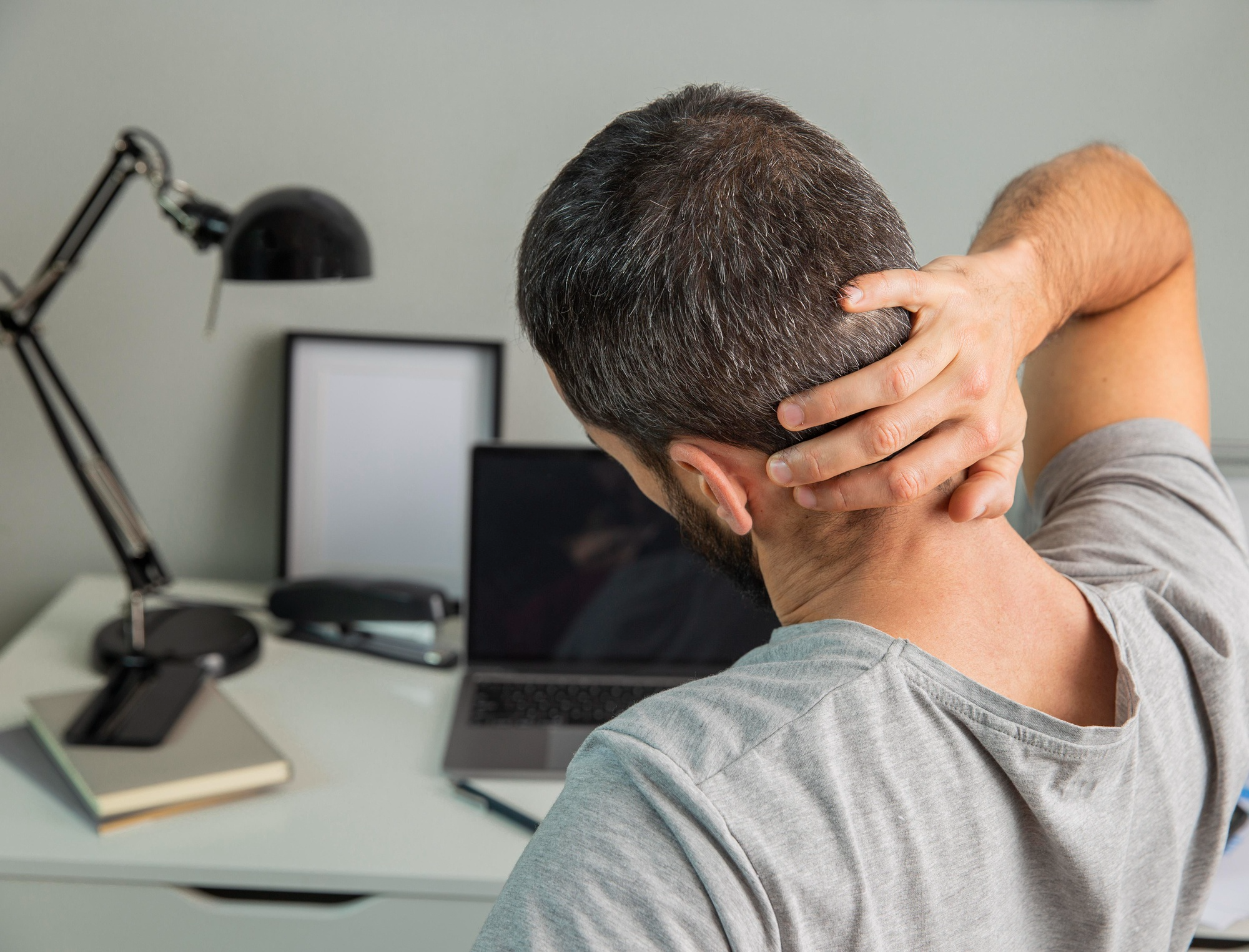
A man experiencing neck stiffness.
If your pain worsens or the skin feels irritated, stop treatment immediately and seek professional guidance.
Although ice and heat therapy are wonderful for small injuries or discomfort, you ought to seek medical care if:
A professional orthopedic or physiotherapy expert will be able to identify the underlying cause of your pain, a ligament injury, muscle pull or joint issue and provide specific therapy for quicker healing.
Being aware of when to apply ice vs. heat to an injury can be a big factor in healing. Using these treatments properly enables you to heal faster, get rid of pain efficiently and avoid long-term injury. If your pain fails to respond to home treatment, it is advisable to see an orthopedic or physiotherapy professional. Proper care at the appropriate time allows you to heal securely and get back to pain-free activity earlier.

A needle sample of kidney tissue that finds the cause of protein or blood in the urine, or of failing kidneys.
Nerve and muscle tests that find the cause of numbness and weakness, such as neuropathy or carpal tunnel.
A magnified check of the cervix after an abnormal Pap or HPV test, with a small biopsy if needed.
Free tools to check your weight, plan a pregnancy, track calories and more.
We offer expert care across key specialties, including Medicine, Cardiology, Orthopaedics, ENT, Gynaecology, and more—delivering trusted treatment under one roof.
अच्छी नींद क्यों जरूरी है, नींद की कमी से होने वाली स्वास्थ्य समस्याएं और बेहतर नींद के आसान उपाय हिंदी में जानें।
2 Feb 2026
by Prakash Hospital
Learn more about Crohn's disease with the help of the expert knowledge of the doctors in Prakash Hospital, Noida.
26 Aug 2025
by Prakash Hospital

Learn what blood sugar levels are, their normal ranges, and how to manage high or low blood sugar through diet, lifestyle, and medical care.
22 Apr 2026
by Prakash Hospital

Male infertility causes, from varicocele to heat and smoking, the semen analysis, and what helps — a practical guide for Indian men. Prakash Hospital Noida.
7 Oct 2026
by Prakash Hospital

Prostate problems — symptoms of BPH, prostatitis and prostate cancer, the tests used to diagnose them, and when to see a doctor. Prakash Hospital Noida.
5 Oct 2026
by Prakash Hospital

Learn about urinary tract infection (UTI), including symptoms, causes, diagnosis, treatment options, and prevention tips at Prakash Hospital.
17 Feb 2026
by Prakash Hospital


Book a consultation with Prakash Hospital's specialists — 24/7 emergency care, 100+ doctors, NABH accredited.
View All Departments