Understanding Lung Cancer: Signs, Risks, and the Importance of Early Detection
·by Prakash Hospital
Lung cancer remains one of the leading causes of cancer-related deaths across the globe. Despite advances in treatment, outcomes depend heavily on how early the disease is detected. At Prakash Hospital, we believe that informed patients make better health choices. This post explains the key aspects of lung cancer and what steps can be taken to reduce risk.
Early detection of lung cancer significantly improves treatment success, especially when warning signs are recognized promptly.
What Is Lung Cancer?
Lung cancer develops when cells in the lungs begin to grow abnormally. These cells can form tumors, which may spread to other organs if not treated early. There are two major types of lung cancer:
Non-Small Cell Lung Cancer (NSCLC) – This is more common and usually progresses at a slower rate.
Small Cell Lung Cancer (SCLC) – Less common but more aggressive and often linked to smoking.
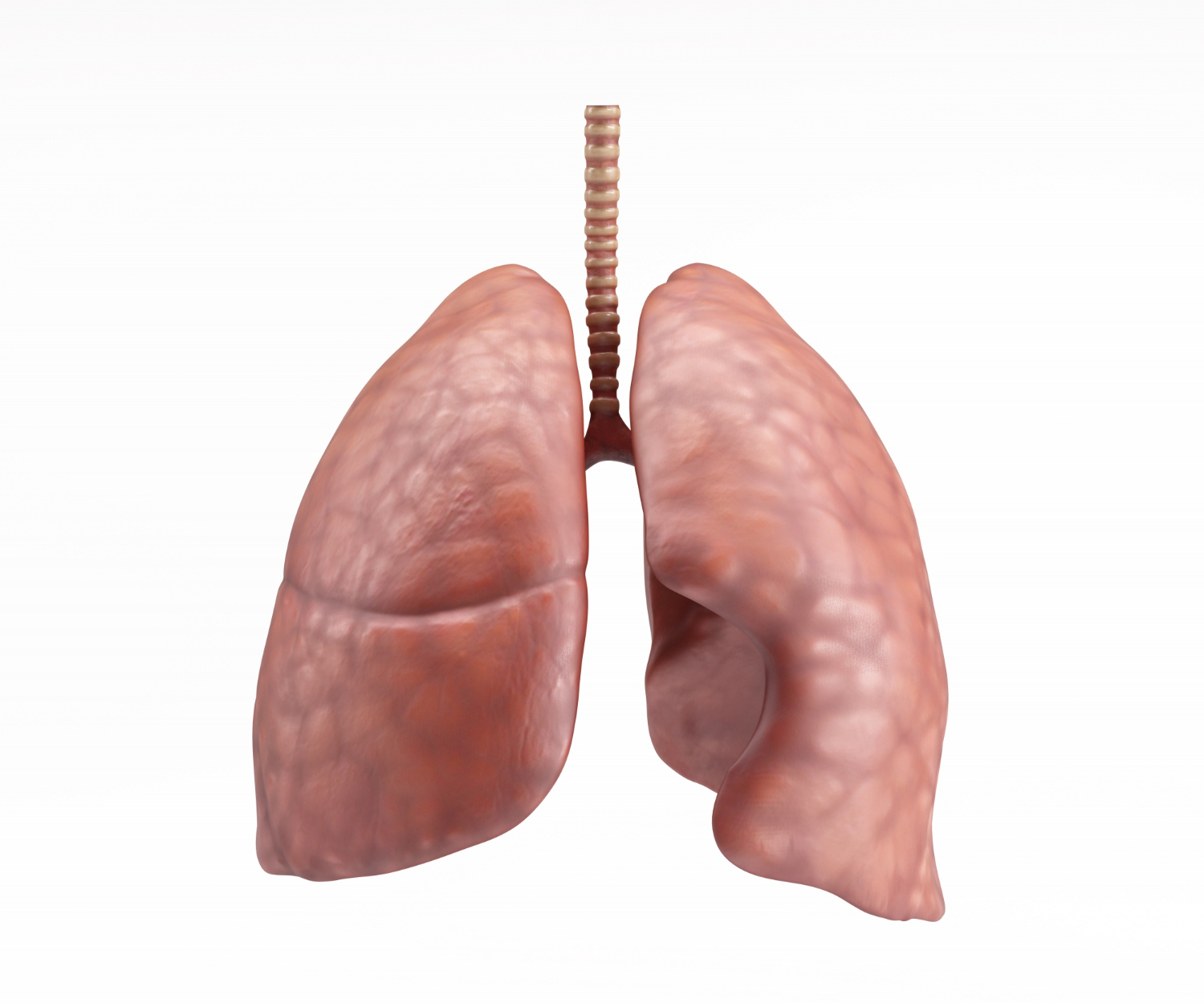
Lung cancer begins when abnormal cells in the lungs grow uncontrollably, often forming tumors that may spread if not treated early.
Common Risk Factors
Several risk factors can increase the chance of developing lung cancer. These include:
Smoking – Cigarette smoking is the single biggest risk factor. It accounts for a large majority of lung cancer cases. Exposure to secondhand smoke also raises the risk.
Air Pollution and Toxins – Long-term exposure to radon, asbestos, and industrial pollutants can damage lung tissue.
Family History – Genetics can influence cancer risk. A history of lung cancer in close relatives may signal a higher risk. Age – Most cases are diagnosed in people over 50.
Early Symptoms to Note
Lung cancer can be hard to detect in its early stages because symptoms may be mild or mistaken for other illnesses. Watch for:
A persistent cough or changes in a chronic cough
Shortness of breath
Chest discomfort
Blood in mucus
Unexplained weight loss
Recurring lung infections
Voice changes like hoarseness
Smoking remains the leading cause of lung cancer, with both active and passive exposure increasing risk.
If you notice any of these signs, consult a doctor promptly. Early intervention improves outcomes.
Prevention and Screening
Preventive care plays a major role in lowering lung cancer risk. Here’s what you can do:
Quit Smoking – Stopping smoking significantly reduces your risk over time. Professional help is available at Prakash Hospital for those who need support.
Avoid Toxins – Make your home and workplace safer by reducing exposure to harmful chemicals. Test for radon if needed.
Get Screened if High-Risk – People with a long history of smoking or exposure to hazardous substances should consider a low-dose CT scan for early detection.
Our Approach to Treatment
Prakash Hospital offers a wide range of diagnostic and treatment options. We aim to provide complete care, focused on the patient’s needs. Our services include:
Minimally Invasive Surgery – Shorter recovery times and fewer complications.
Targeted Therapy and Immunotherapy – Modern treatments that focus on specific cancer cells.
Team-Based Care – Specialists from different fields work together to design personalized treatment plans.
Final Thoughts
Raising awareness about lung cancer starts with education. When people understand the risks and recognize the early signs, they are more likely to seek timely help. At Prakash Hospital, we are committed to offering reliable information, expert care, and ongoing support for every patient.
If you have concerns about lung health, don’t wait. Early evaluation could make all the difference.
We offer expert care across key specialties, including Medicine, Cardiology, Orthopaedics, ENT, Gynaecology, and more—delivering trusted treatment under one roof.
Vomiting can be from food, infection, pregnancy, or something more serious. Know the home remedies, warning signs, and when to see a doctor. Prakash Hospital Noida.
Struggling with hormonal acne? Prakash Hospital's skin and hormone specialists in Noida explain why it happens, what triggers it, and the treatments that actually work.
Learn the common causes of bloating during pregnancy, its symptoms, and safe, effective remedies to relieve discomfort and improve digestion for expecting mothers.