


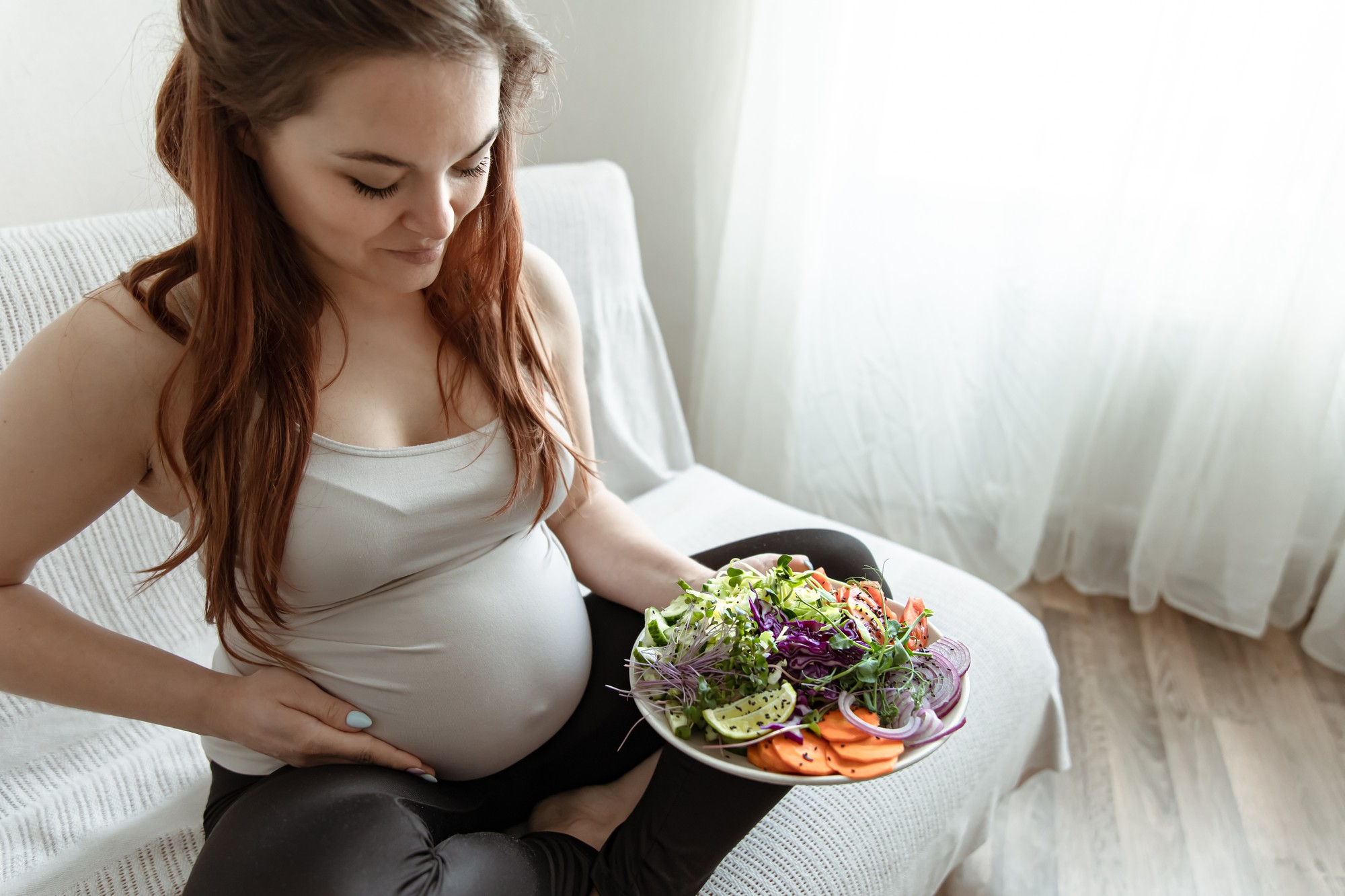
Nutrition During Pregnancy: Best Foods to Eat & Avoid for a Healthy Baby
Learn what to eat and avoid during pregnancy with expert-approved nutrition tips for a healthy mother and baby.
25 Nov 2025
by Prakash Hospital
by By Prakash Hospital

A cup of ginger tea with fresh ginger slices.
Walk into any Indian kitchen today and you may find a box of green tea next to the chai masala. It has been marketed as a weight-loss miracle, a detox drink, and a cure-all. The reality sits in between: green tea is a genuinely healthy drink with useful, modest benefits, but it is not magic.
Green tea comes from the leaves of Camellia sinensis, the same plant that makes black tea. The difference is processing. Green tea leaves are steamed or pan-fired soon after picking, which prevents oxidation and preserves natural plant compounds.
Catechins neutralise free radicals and may reduce inflammation, which contributes to chronic diseases.
Regular green tea drinking is linked to:
Benefits are small to moderate and work best alongside a healthy lifestyle.
Some studies suggest green tea improves insulin sensitivity and modestly lowers fasting glucose and HbA1c. It can support, but never replace, diabetes care.
Green tea may slightly increase fat oxidation and calorie burn. Trials show a small average effect, typically less than a kilogram or two over several months. It will not melt belly fat without diet and exercise. Treat it as a healthy replacement for sugary drinks rather than a fat burner.
The combination of caffeine and L-theanine can improve alertness, attention, and calmness without the jitteriness some people get from coffee. Long-term observational studies link tea drinking with lower risk of cognitive decline, though proof of cause is limited.
Catechins have antibacterial effects and may reduce plaque, gum inflammation, and bad breath. Unsweetened green tea is much better for teeth than sweetened drinks.
Some research suggests green tea may help reduce liver enzymes in people with fatty liver. However, very high doses of concentrated extracts have caused liver injury (see side effects).
Laboratory and population studies are intriguing, but human trials have not proven that green tea prevents cancer. It should not be regarded as a treatment.
Green tea contributes to daily fluid intake. The caffeine content is too low to cause dehydration at normal intake.
Topical and oral green tea polyphenols show some benefits for skin health in studies, though effects are modest.
Green tea is safe for most people in moderate amounts (about 2 to 4 cups a day). Problems arise with excess or in sensitive people.
Be cautious with "detox" or "slimming" blends that may contain laxative herbs, such as senna, which can cause dependence and electrolyte problems.
Chai made with milk and sugar adds calories, and milk may slightly reduce antioxidant absorption. Black tea also has beneficial compounds and is perfectly acceptable in moderation. Coffee is higher in caffeine and has its own benefits. There is no need to give up chai: choose what you enjoy and keep sugar low.
"Green tea burns belly fat." The effect is small. Diet and exercise do the heavy lifting.
"More is better." Excess leads to side effects.
"It detoxifies the body." Your liver and kidneys already do that.
"It cures cancer or diabetes." It does not. It can support a healthy lifestyle.
At Prakash Hospital Noida, our physicians and dietitians can advise on healthy beverages and diet choices for your individual needs, including if you have anaemia, diabetes, high blood pressure, or take regular medicines.
Whether you live in Sector 18, Sector 62, Greater Noida West, or anywhere nearby, Prakash Hospital Noida is a trusted name for nutrition guidance and general wellness in Noida.
To book a consultation, call the number.
Tags: #GreenTeaBenefits #GreenTeaSideEffects #PrakashHospitalNoida

Nerve and muscle tests that find the cause of numbness and weakness, such as neuropathy or carpal tunnel.
Creams, light therapy, tablets and grafting to stop white patches spreading and restore skin colour.
A minor operation joining an artery to a vein in the arm to create lasting access for haemodialysis.
Free tools to check your weight, plan a pregnancy, track calories and more.
We offer expert care across key specialties, including Medicine, Cardiology, Orthopaedics, ENT, Gynaecology, and more—delivering trusted treatment under one roof.
Learn what to eat and avoid during pregnancy with expert-approved nutrition tips for a healthy mother and baby.
25 Nov 2025
by Prakash Hospital
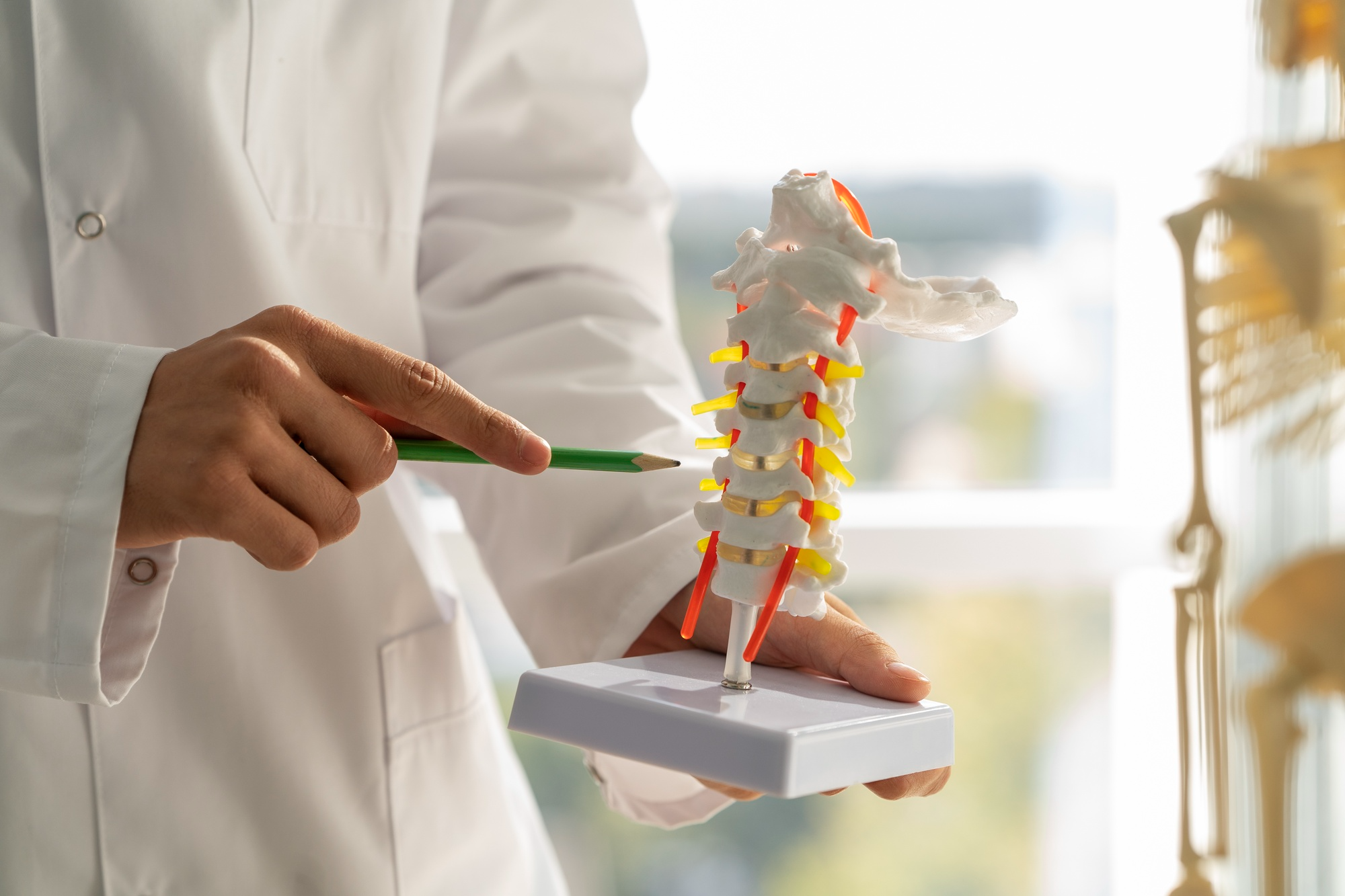
Support fracture recovery with essential nutrients like calcium, vitamin D, and protein for faster bone healing.
19 Nov 2025
by Prakash Hospital

Discover expert-backed nutrition tips for cancer patients. Learn how to manage treatment side effects, stay hydrated, and eat for strength and recovery.
27 May 2025
by Prakash Hospital

Focus, concentration or ADHD? Learn how they differ, the types of attention, what an ADHD diagnosis needs, other causes of poor focus and when to get tested.
21 Oct 2026
by Prakash Hospital

Insomnia, sleep apnoea, restless legs and more. Learn the signs of sleep disorders, when to see a doctor, and how they are treated. Prakash Hospital Noida.
4 Nov 2026
by Prakash Hospital
Ten quick, evidence-based ways to regain focus in minutes, from water, walking and slow breathing to a brain dump, plus when a slump means something else.
20 Oct 2026
by Prakash Hospital

How the US Navy body fat method works, with exact measuring steps, the formulas for men and women, three worked examples, accuracy limits and common errors.
11 Nov 2026
by Prakash Hospital
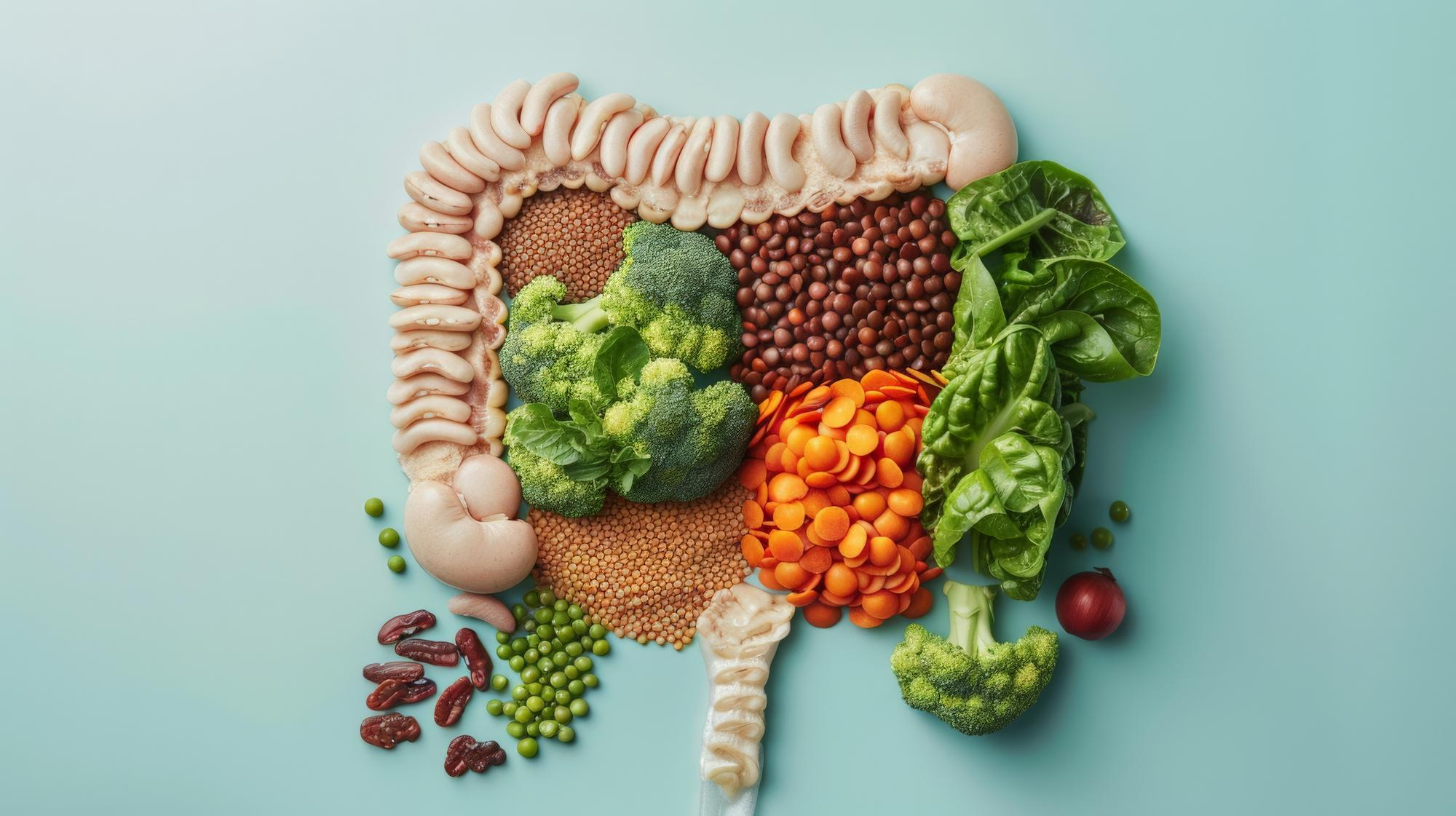
How to improve digestion naturally with Indian diet, lifestyle changes, and traditional remedies. Guide from Prakash Hospital Noida.
18 Aug 2026
by Prakash Hospital

How accurate are smart scales, skinfold calipers, the Navy tape method and DEXA for body fat? What affects each reading, and how to track it consistently.
27 Oct 2026
by Prakash Hospital


Book a consultation with Prakash Hospital's specialists — 24/7 emergency care, 100+ doctors, NABH accredited.
View All Departments